Your leaf blower stalls when you hit the throttle because something’s choking the engine’s airflow or fuel. A clogged spark arrestor creates back‑pressure, a dirty air filter leans the mixture, old fuel gums up the carburetor, and a blocked fuel‑cap vent can pull a vacuum that shuts fuel flow. The good news is these fixes are usually quick: clean or replace the arrestor, swap the air filter, use fresh fuel and a carb‑cleaner, and make sure the vent’s open. If you keep going, you’ll uncover more detail on each step.
Why a Clogged Spark Arrestor Causes Engine Stalling
When the spark arrestor in your leaf blower gets clogged, the engine suddenly loses its ability to breathe, and that’s why it stalls the moment you hit the throttle. The spark arrestor sits inside the muffler and acts as a tiny screen that catches hot sparks, but it also creates a little back‑pressure that helps the engine idle smoothly. Over time, soot, carbon, and dry black gunk coat the openings, turning that back‑pressure into an exhaust restriction. You’ll notice a weak exhaust sound, a rough idle, and an immediate loss of power when you try to accelerate. The good news is cleaning or replacing the arrestor restores proper flow, letting the engine inhale and exhale freely again. A clogged screen can also cause the exhaust to be muffled, further reducing performance. The high‑speed rotary impeller also generates airflow turbulence that adds to the overall noise level. Proper hydraulic fluid selection can improve cooling and reduce component wear in related equipment.

Genuine STIHL OEM Part
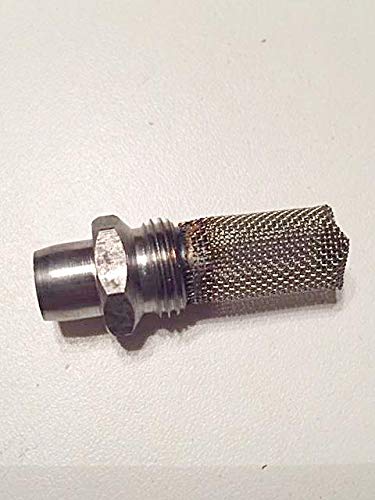
Fits STIHL models BG55 BG56 BG85 BG86 SH55 SH56 SH85 SH86 blowers

Fitment: For Stihl Blower BG85, BG86, BG55, BG56, BR200, SH85, SH86, SH55, SH56
How Bad Fuel Leads to Carburetor Restrictions and Engine Stalling
Bad fuel is the silent culprit that can turn a perfectly healthy leaf blower into a sputtering mess, and it does it by choking the carburetor’s tiny passages. When gasoline ages, it leaves behind fuel varnish that coats the jets and idle circuit, turning smooth flow into a trickle. Even a few particles can settle in the bowl, blocking the needle valve and causing needle wear that throws off fuel metering. The result? Your engine runs lean at idle, stumbles when you twist the throttle, and stalls outright. You’ll notice a rough idle, a sudden stumble on acceleration, and a need for constant primer pulls. The good news is cleaning the carburetor and using fresh fuel restores proper flow. A clogged fuel filter can also restrict fuel delivery to the carburetor, exacerbating the stalling issue. Regularly checking the fuel line condition helps prevent varnish buildup before it clogs the carburetor.
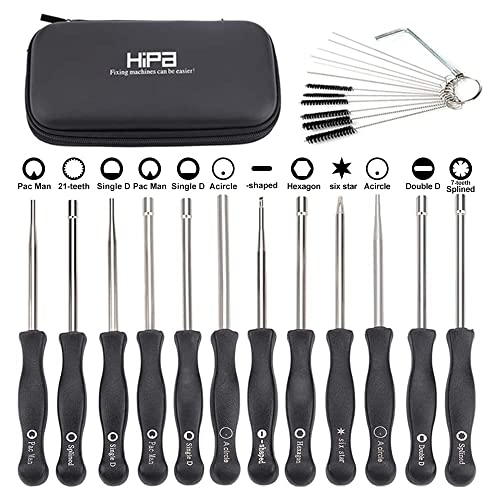
Carburetor adjustment tool kit, fits for ZAMA, STHIL, Husqvarna, Poulan, Weedeater, Echo, Homelite, Ryobi, MTD, Troy-Bilt,Toro, Sears, Ruixing, Huayi; string trimmer, chainsaw, leaf blower, hedge trimmer, edger, pole pruner and anything else that utilizes the carburetor adjustment tool.

Hipa pack of 14 carburetor adjustment tool compatible with ZAMA, Walbro, STHIL, Husq-varna, Craftsman, Poulan, Weedeater, Echo, Homelite, Ryobi, MTD, Troy-Bilt, Toro, Sears, Ruixing, Huayi; string trimmer, chainsaw, leaf blower, hedge trimmer, edger, pole pruner and anything else that utilizes the carburetor adjustment tools.

When a Dirty Air Filter Creates a Lean Mixture and Stalls the Engine
If you’ve ever tried to crank up your leaf blower and felt it stumble like a tired mule, the culprit is probably a clogged air filter. A dirty filter creates an airflow restriction that starves the engine of oxygen, so when you push the throttle the mixture goes lean. The engine then hesitates, jerks, and may stall because there isn’t enough air to burn the fuel you’re adding. Modern sensors try to compensate with fuel enrichment, but they can’t fully fix the imbalance. You’ll notice sluggish acceleration, rough idling, and a loss of horsepower. The good news is a quick filter check or replacement restores proper airflow, balances the air‑fuel ratio, and gets your blower humming again. A clogged filter also leads to a rich fuel mixture that produces black smoke from the exhaust. Higher CFM ratings mean the blower can move more air, helping to clear debris more efficiently.

Used On Husqvarna 150BT Air Filter, Replace manufacturer part number: husqvarn 502844401.

PB-580T Air Filter Replacement manufcturer part number: ECHO A226000031 A226000032 90151 90070 90070C 90156 90156Y

FITS FOR STHIL BG55 AIR FILTER, Replaces # 4229-120-1800 4229-124-1500
What a Faulty Gas‑Cap Vent Does to Fuel Flow and Engine Stalling
A clogged gas‑cap vent can turn a perfectly healthy leaf blower into a sputtering, stall‑prone machine, and it does it by starving the engine of fuel when you try to give it gas. When the cap vent is blocked, the tank can’t let air in as fuel leaves, so a vacuum buildup forms. That vacuum pulls the fuel line shut, and the engine suddenly runs out of gasoline the you open the throttle. You’ll notice the blower hesitates or stalls just as you press the gas lever, and it may only run on choke for a few seconds. The good news is the problem isn’t the carburetor; it’s the vent. Rubber vent must stay moist to avoid drying and restriction. Clean or replace the vent and the fuel flow returns, ending the stalling. Properly checking fuel level before operation helps prevent vacuum formation. Choosing the right blower type can also affect how often you encounter such issues, as backpack blowers typically have larger fuel tanks that are less prone to vacuum lock. Regularly inspecting the ignition switch can also catch unrelated issues before they cause a stall.

Fitment:Our fuel cap breather is fit for most of dirt pit monkey bike ATV Quad 50cc 110cc 70cc 125cc Motorcycle XR CRF RM KX SSR EXC XC SX SXF XCF XCW Dirt Pit Quad Bike Atv

Replacing OEM numbers : 504117701, which is a direct replacement for the old or broken one.

Made in China
Quick Fix Checklist for Common Engine‑Stalling Problems
When you’re trying to get that leaf blower or wood chipper back in the game, the quickest way to diagnose a stall is to run through a simple checklist before you start tearing things apart. First, pull the spark plug and look for fouling; a clean plug usually means the ignition coil is still firing. Next, inspect the spark arrestor—if it’s clogged with soot, give it a wire‑brush clean or replace it. Check the air filter; a dirty one starves the engine, so swap it out if it’s gritty. Then, examine the fuel filter for debris and replace it annually. Finally, give the carburetor a quick spray of cleaner and adjust the fuel‑to‑air mix; if it still bogs, the coil may need testing. This routine catches most stalls before you need major repairs. Clogged spark arrestor can also cause the engine to stall if not cleaned regularly. Electric blowers are generally quieter because they lack a noisy internal combustion engine. Using the correct power steering fluid ensures proper hydraulic pressure and protects seals from wear. Also, verify that the battery is fully charged and properly connected before attempting to start the engine.

Fixes rough running and hard-to-start engines: Breaks down gum and varnish that cause rough running, hard starts, sputtering, and no-start issues in small engines, helping restore performance quickly


FITS FOR ECHO ES-210 CARBURETOR, Replaces # C1U-K78 A021000940 A021000941 A021000942 A021000943.