Pick the right blower for your yard, then mix a 50:1 fuel‑oil blend if it’s a two‑stroke engine and shake it well. Do a quick safety check: tighten loose bolts, inspect the guard, wear ear and eye protection, and make sure the emergency stop works. For a cold start (<15 °C) pull the choke, purge the air bulb ten times, then pull the rope slowly before yanking quickly; for warm or hot starts use half‑choke or a few primer squeezes. Idle 30 seconds, then go full throttle. If it won’t fire, check the spark plug, fuel line, and carburetor—more tips await if you keep going.
Select the Correct Blower and Prepare the Fuel‑Oil Mix
So, how do you pick the right blower and get that fuel‑oil mix spot‑on? First, size your yard. For a small garden, a handheld 100‑400 CFM unit will do, but a medium yard needs 400‑700 CFM backpack power, and a large property calls for 700‑1300 CFM walk‑behind or gas backpack. Next, match CFM‑MPH: a 500 CFM blower with 200 MPH tackles heavy, wet leaves, while 150 CFM at 110 MPH is fine for dry debris. If you go gas‑powered, remember the fuel‑oil ratios—two‑stroke engines need a precise 50:1 mix, otherwise you’ll foul the engine. Measure the oil, pour it into fresh gasoline, shake well, and you’re ready to fire up a correctly sized blower. Backpack blowers provide higher horsepower for larger properties and reduce user fatigue during extended use. Electric blowers are typically quieter, making them a more comfortable choice for residential use. Understanding airflow volume helps you choose a blower that moves enough air to clear debris efficiently.

Husqvarna 150BT Backpack Leaf Blower Gas Powered combines a high powered gas leaf blower with state-of-the-art ergonomic design
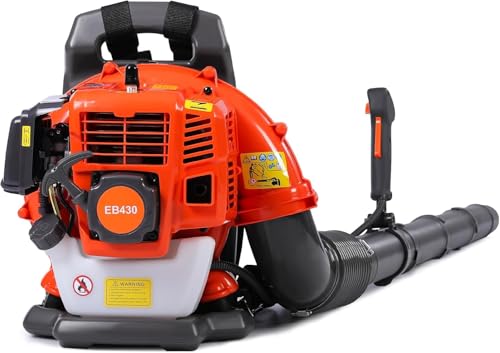
Make Room for Your Weekend: This gas leaf blower delivers up to 550 CFM and 230 mph to move wet leaves and yard debris. Clear your lawn and driveway one section at a time, then enjoy the space you worked to keep inviting

ERGONOMIC BACKPACK DESIGN: This backpack gas blower incorporates a shock-absorption system and ergonomic straps. The backpack is made from high-strength nylon that is durable and tear-resistant. Adjustable padded shoulder straps and a thick back cushion enhance comfort and reduce vibration during extended use.
Complete Essential Blower‑Specific Pre‑Start Safety Checks
Before you pull the cord or press the button, make sure you’ve run through the essential pre‑start safety checks—because a leaf blower is powerful, but it’s only as safe as the preparation you put into it. First, run your safety checklist: tighten any loose nuts, bolts, or screws, and do a quick guard inspection to confirm all guards are fitted securely. Check the fuel mix and tank for leaks; wear chemical‑resistant gloves while handling fuel. Verify the emergency stop button works and locate the ON/OFF switch. Put on noise protection—earplugs or an earmuff headset—and eye protection. Clear the work area of people, pets, and flammable debris, and stand the blower upright on a level surface. Finally, confirm you’re alert, hydrated, and physically ready before you start. Also, inspect the intake area to ensure it is free of debris and obstruction. Remember to follow the proper shutdown procedure to prevent fuel spillage and engine damage. Ensure the spark plug is clean and properly gapped for optimal ignition. Choose the correct nozzle to match the task and adjust speed for efficient leaf removal.
Choose the Correct Starting Method (Cold, Warm, Hot)
When the temperature’s down low, the air’s thick, or the engine’s just been sitting idle, you’ll need a different start‑up routine than you would on a warm, sunny afternoon. First, consult the temperature guide: below 15 °C you’ll use the cold method, between 15 °C and 32 °C the warm method, and above 32 °C the hot method. For cold starts, set choke selection to full choke, purge the air bulb ten times, and pull the rope slowly until resistance, then yank quickly. Warm starts need half choke, throttle held, and a quick pull. Hot starts call for a few primer squeezes, choke in the run position, and a firm pull. Adjust the choke gradually once the engine fires, and you’ll be ready to clear those leaves. Ensure the engine is cold before beginning any start procedure. Stihl’s fuel‑oil mix is essential for optimal performance. Before starting, verify the spark plug condition to avoid misfires.

Replacing OEM numbers: 545157104, which is a direct replacement for the old or broken one.


【 Material】Made of plastic and sponge, this choke lever is designed to withstand daily use and long-lasting durability.
Match the Starting Method to the Appropriate Handheld or Backpack Technique
Matching the right starting method to the technique you’ll use—whether you’re holding a lightweight handheld blower or strapping on a backpack unit—makes the whole process smoother and safer. For a cold‑start handheld, use a firm Handheld Grip on the nozzle while your other hand pulls the starter rope. Keep the nozzle pointed down, engage any throttle interlock, and stay clear of bystanders. If you’re on a warm‑start backpack, focus on Backpack Stabilization: plant one foot against the baseplate, strap the unit securely, and hold the nozzle away from your body. Pull the starter handle with your right hand after stabilizing, then squeeze the throttle. The good news is each method matches the engine’s temperature, so you avoid stalling and get a clean start. Ensure fuel connection is secure before ignition. Perform a quick pre‑operation inspection to verify the air filter and spark plug are clean and in good condition. Check the oil‑fuel mixture to guarantee proper lubrication and combustion. Electric blowers produce zero emissions and can be a quieter alternative for small yards.

7 Amp motor provides a powerful and efficient blowing performance
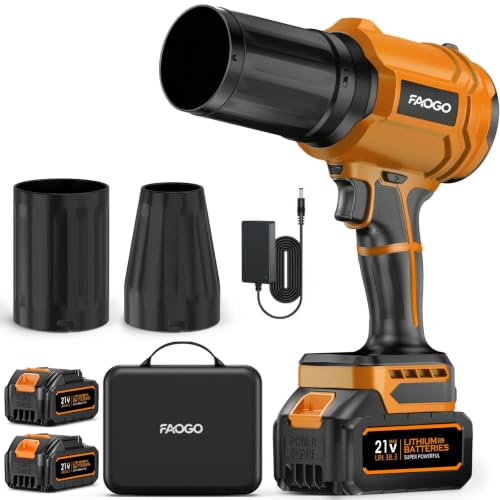
【990,000 RPM Hurricane Power】Command relentless blowing force with a 990,000 RPM turbo motor – 3X stronger than standard FAOGO leaf blowers. Effortlessly blasts wet leaves, stubborn dirt, and even light snow from patios and gardens in seconds. Say goodbye to traditional heavy leaf blowers and enjoy effortless leaf shifting.

420 CFM Powerful Airflow: Delivers up to 420 CFM of airflow for fast removal of dry leaves, grass clippings, dust, and light debris. Ideal for patios, driveways, garages, sidewalks, decks, and everyday residential yard cleanup
Idle the Engine for 30 Seconds Before Full‑Power Operation
You’ve just got the blower in your hands and the starter rope is still humming in your grip. Let it idle for about 30 seconds before you yank the throttle. That short warm‑up gets oil moving through the 2‑cycle engine, lubricating the piston and crankshaft so you won’t hear a grind when you go full‑power. It also stabilizes the fuel‑air mix, preventing the engine from stalling as you add load. While it’s idling, glance at the exhaust tip—if you notice a loss of punch, that’s a cue for spark‑arrestor cleaning. A quick brush removes carbon that can choke airflow. The good news is that this brief idle protects your engine and gives you a smooth, reliable start every time. If the spark‑arrestor becomes clogged with soot, it can cause the engine to stall. The fan’s centrifugal action creates a high‑velocity airflow that efficiently dislodges debris. Choosing a model with a higher airflow rating can further improve debris clearance. Regularly inspect the fuel line for blockages to prevent ignition failure.
Fix Common Starting Problems and Troubleshoot Quickly
If your leaf blower refuses to fire up, the culprit is usually one of a handful of easy‑to‑check parts, and you can sort them out in a few minutes before it gets to the point of calling a mechanic. First, pull the spark plug and look for carbon, corrosion, or wetness—clean it with a wire brush or replace it if it’s fouled; that’s a quick performance tuning win. Next, check the fuel filter and lines; stale fuel clogs the filter and starves the carburetor, so drain the old mix and do fresh fuel maintenance with the correct oil‑to‑gas ratio. If the carburetor looks gunky, spray cleaner, disassemble, and rinse. Finally, inspect the air filter and spark arrestor—replace a dirty filter and clear any soot. A clean ignition coil and a functional recoil spring seal the deal, getting you back to blowing leaves in no time. Also, verify the rewind spring is intact and properly tensioned to ensure the starter rope recoils correctly. For a thorough clean, consider using a carburetor cleaning solvent to dissolve stubborn deposits in the jets and passages. A clogged air filter can also cause the motor to stall when you give it gas. Follow the manufacturer’s guidelines for pre‑operation checks before each use to maintain optimal performance.

FITS FOR STHIL BG55 AIR FILTER, Replaces # 4229-120-1800 4229-124-1500

Air filter for STIHL BG86 BG86C SH86 SH86C blower; please note: some bg86 blower needs a pad type air filter, please check your original one before buying. Tune up kit for Stihl bg86 bg86c leaf blower primer bulb spark plug fuel filter parts

For Stihl BG56C Air Filter, BG56C Tune Up Kit Fits stihl BG56 BG56C BG56CED BG56CEZ BG56Z BG56D BG66 BG66C BG66CED BG66CEZ BG66Z BG66D leaf blowers