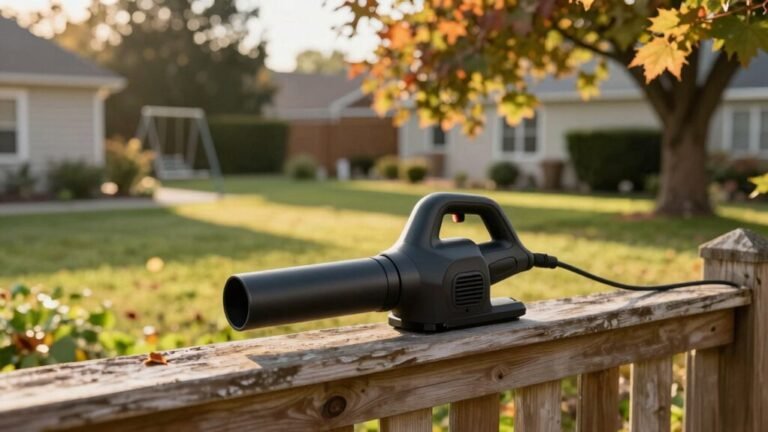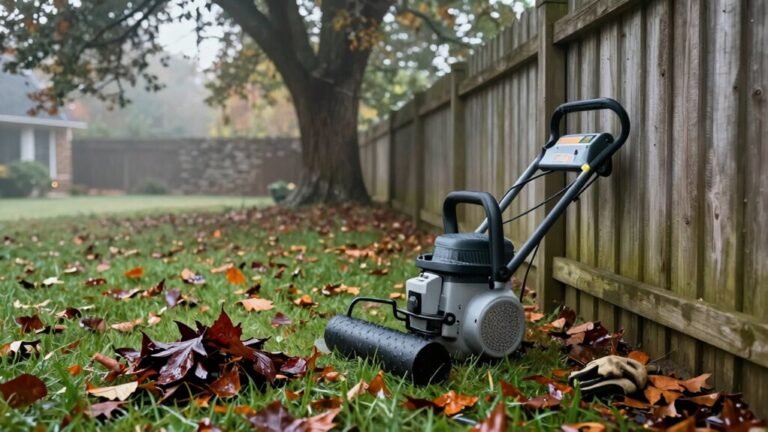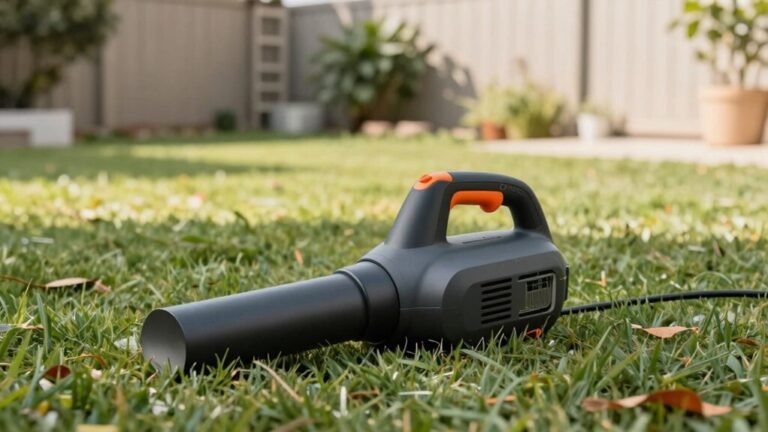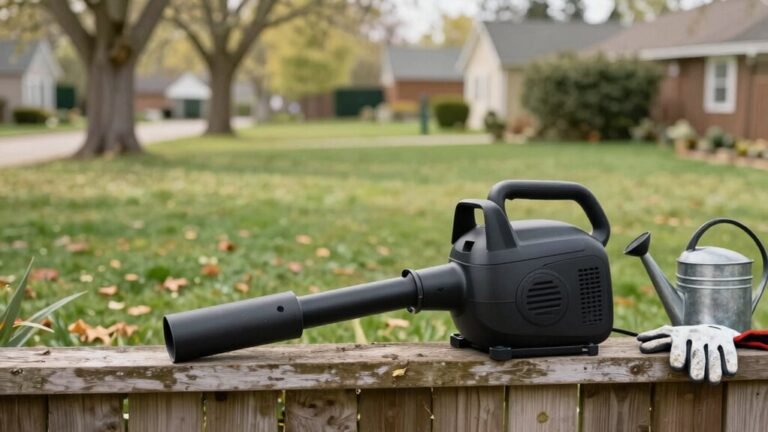
You’ll find that California has already banned the sale of new gas‑powered leaf blowers and will phase out existing units by 2030, while New York counties such as Westchester, Concord and Lexington have seasonal or outright bans. Oregon’s Portland is on a phasedown ending in 2028, and several Midwest and West cities—Ann Arbor, Oak Park, Wilmette, Seattle, D.C., Los Angeles, Santa Monica and Berkeley—have strict limits or bans. The good news is many of these places offer rebates and trade‑in vouchers, so your switch to electric can be cheaper than you think. Keep going and you’ll see the exact incentives and how to choose the right electric blower for your yard.
Which States Have Already Banned Gas‑Powered Leaf Blowers?
If you’ve been watching the news for a while, you’ve probably noticed that a handful of states are already pulling the plug on gas‑powered leaf blowers. California led the charge, banning new sales in 2025 and forcing everyone to consider electric‑blower health benefits. New York’s counties—Westchester, Concord, and Lexington—have seasonal or outright bans, citing noise‑impact economics that hurt residential peace. Hawaii’s Honolulu limits use to protect island air, nudging locals toward quieter, cleaner batteries. Portland is phasing out gas models, with a full ban slated for 2028, so you’ll see electric units dominate the market soon. These moves don’t just cut emissions; they lower noise, boost your health, and make operating costs more predictable. The good news is you can already find reliable electric alternatives that meet those standards. California’s gas‑powered blower ban also includes a compliance timeline that allows existing equipment to be used until 2030, giving owners time to transition. Many municipalities are adopting noise‑reduction policies to further curb the impact of loud equipment. Electric blowers typically produce significantly lower decibel levels, making them a quieter choice for residential neighborhoods.
Policy Drivers: Health, Noise, and Environmental Impacts of Gas‑Powered Leaf Blowers
California’s move to ban new gas‑powered leaf blowers sparked a wave of local ordinances, and now the real conversation is about why those bans matter. You’ll notice the health equity angle quickly: gas blowers pump particulate matter and carbon monoxide into the air, and the operators—often Latino landscape workers—breathe it in day after day. Switching to electric cuts that exposure for everyone, and the good news is it also slashes greenhouse‑gas emissions. Noise mitigation is another driver; a gas engine can roar over 90 dB, disturbing neighbors and risking workers’ hearing, while electric models run at a whisper. These policy levers—cleaner air, quieter streets, and fairer treatment of workers—are why cities are pushing the phase‑out. The rapid adoption of high‑power leaf blowers has accelerated the need for regulatory action, as communities experience air quality degradation and heightened health risks. Leaf blowers typically produce sound levels ranging from 80 dB to 100 dB, comparable to a lawn mower or a motorcycle, underscoring the importance of noise reduction measures. Battery advancements now enable cordless electric blowers to match the run time of many gas models.
California’s Full Gas‑Powered Leaf Blower Ban and Its Ripple Effect
When Governor Newsom signed Assembly Bill 1346, the ripple rippled far beyond the state Capitol, sparking a wave of changes you’ll start seeing in your own backyard. The law bans sales of new gas‑powered leaf blowers and SORE equipment from Jan 1 2024, forcing manufacturers to meet zero‑emission standards. You’ll notice more electric models on store shelves, and many cities—Los Altos, Palo Alto, Santa Monica—already enforce local bans, so the state‑wide rule amplifies their efforts. Enforcement challenges are real: staffing for code‑complaint checks and training crews takes time, and existing gas units stay legal until they wear out. But the good news is rebates from the South Coast AQMD and city programs help you trade in a noisy, polluting blower for a quieter, cleaner electric one, easing the shift for homeowners and landscaping crews alike. Using a leaf blower for dryer vent cleaning can increase fire risk. Municipal ordinances often include exemptions for emergency services, ensuring public safety while still reducing overall emissions. The noise reduction of electric models also benefits neighborhoods with strict quiet‑hour regulations.

7 Amp motor provides a powerful and efficient blowing performance
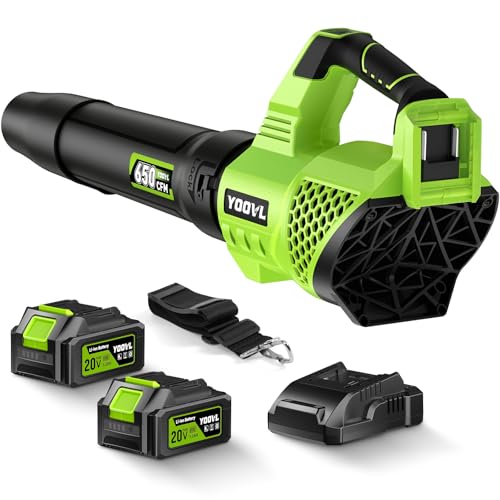
Upgraded Leaf Blower:More than just a leaf blower—YOOVL leaf blower cordless efficiently handles light snow, dust, grass clippings, and other debris from surfaces like lawns, sidewalks and garages. A must-have for year-round yard maintenance and thorough cleanups.

【Dual-Battery System & Fast Charger】It comes with two 20V 2.0Ah batteries that can be used interchangeably, so you can keep working while one charges. At low speed, runtime extends up to 60 minutes per full charge (actual runtime varies by speed and conditions). The included fast charger powers up each battery efficiently.
Midwest & South: New Seasonal Limits & Gas‑Powered Leaf Blower Bans
Even though the Midwest and the South have traditionally been a haven for noisy, gas‑powered leaf blowers, a wave of new seasonal limits and outright bans is reshaping how you’ll keep your yard tidy. In Ann Arbor, you can’t run a gas blower from June through September, and a full ban kicks in 2028, so you’ll need to plan ahead or switch to a battery model. Oak Park’s permanent ban starts June 1, 2025, but the trade‑in event at Ace Hardware offers regional incentives and market incentives to ease the switch. Wilmette’s seasonal limits curb noise over 55 dB, nudging you toward quieter electric gear. Texas and Georgia preempt local rules, so you’ll still rely on market incentives to adopt cleaner tools despite the lack of regional bans. Homeowners should also consider that higher horsepower backpack blowers can significantly reduce cleanup time on larger properties. The first practical leaf blower was introduced by Walter B. H. Smith in the 1950s. Parallel‑output diffusion models can accelerate the analysis of regional policy impacts.

420 CFM Powerful Airflow: Delivers up to 420 CFM of airflow for fast removal of dry leaves, grass clippings, dust, and light debris. Ideal for patios, driveways, garages, sidewalks, decks, and everyday residential yard cleanup

[Extensive and Effective Work] JAGROM electric leaf blower equips with powerful motor, 130MPH and 180CFM will provide you with easy and efficient work. With the cordless design, it is easy to cross the courtyard, living room and various crevices. It is suitable for lawn care, garden, yard, depot, car and house cleaning.

【2026 Upgrade to 2 Batteries & Fast Charging】Experience industry-leading endurance with our Cordless Leaf Blower, upgraded to include two 21V-6.0Ah batteries and a rapid charger for continuous operation of 30 minutes on low-speed mode—outperforming 99% of competitors with typical 10-20 minute runtimes, plus swift 2-hour full recharges to maximize productivity.
Local Ordinances: City‑Level Gas‑Powered Leaf Blower Restrictions
If you live in a city that’s already tightening the reins on noisy, polluting gear, you’ve probably noticed the new signs and fine notices popping up around town. Across the West Coast, Los Angeles, Santa Monica and Berkeley limit gas‑powered blowers to early‑morning hours or ban them outright, and Seattle’s 2022 vote will bar city workers by 2025 and residents by 2027. In the Northeast, Westchester County shuts down summer use, while Concord, Lexington, and Lexington set seasonal windows. Washington, D.C.’s 2018 amendment bans sale and operation city, with hefty fines for violators. The good news is that many cities have clear municipal ordinance enforcement plans, but enforcement challenges arise when state preemption laws, like Texas’s recent ban on local restrictions, undermine local authority and create legal gray areas for homeowners. Proper storage and handling of hydraulic fluid can reduce fire risk, especially when using flammable hydraulic fluid in equipment. Using sealed containers for any leftover fluid ensures it does not leak into the soil or waterways. Selecting a high‑pressure hose that meets the equipment’s specifications can prevent premature failure and maintain safe operation.

Weekend-Clearing Power This gas powered leaf bloer uses a 26cc 2-cycle engine toeliver 180 MPH ar sped an380 CFM volume, helping you move damp leaves, grass clippings, dust, and ight snow without waiting on batteries

Clear More With Every Pass: A 26cc 2-cycle engine delivers 380 CFM airflow and 180 MPH air speed to move wet leaves, grass clippings, and stubborn debris, helping you finish routine yard cleanup with fewer repeat passes

4 Size 4-feet Fuel Line I.D. x O.D.: 3/32" x 3/16", 1/8" x 3/16", 1/8" x 1/4", .080" x .140" for chainsaw string trimmer weed eater carburetor small engine gas fuel line; Resists swelling and hardening, including low temperature
Future Outlook: Upcoming Gas‑Powered Leaf Blower Legislation & Incentives
You’ve probably already seen how cities like Los Angeles and Seattle are tightening the reins on noisy, polluting gear, and now the next wave of action is moving from local ordinances to statewide and even regional legislation. In the near term, future legislation in California, New York, and Oregon will expand bans beyond summer months to full‑year prohibitions, while the federal push for zero‑emission off‑road engines gathers steam. The good news is that incentive programs are lining up to offset the cost of swapping to electric models. California’s SB 170 still has $17.2 million for small landscaping firms, and the Clean‑Off‑Road Voucher can shave up to $400 off a new electric blower. What most people don’t realize is that these rebates often apply at the point of sale, so you can walk out with a quieter, cleaner tool without breaking the bank. Keep an eye on upcoming bills—your backyard—and your wallet will thank you. Recent studies show that electric blower emissions are up to 90% lower than those of gas‑powered counterparts. Using the proper fuel type can also extend engine life and reduce maintenance costs. The quick-start guide for a Stihl BG 56 leaf blower details safety checks, fuel and oil preparation, choke and throttle settings, ignition procedures, and troubleshooting tips for a fast, reliable start.