Don’t dump that used hydraulic fluid—it’s hazardous waste that’ll wreck your groundwater. Here’s what you do: drain it completely into sealed containers, inspect for cloudiness or metal particles, then check your local regulations before disposal. You’ve got two solid options: re-refining facilities recycle clean fluid and cut emissions by 85%, while hazardous waste facilities handle contaminated batches. Find a licensed carrier nearby, get a recycling certificate, and document everything for compliance. The specifics of each step vary depending on your situation.
Safely Drain and Collect Hydraulic Fluid
Before you can responsibly dispose of hydraulic fluid from your wood chipper or log splitter, you’ve got to get it out of the machine first—and doing this right makes the whole process cleaner, safer, and way less messy.
Start by positioning your equipment on level ground and gathering the right tools: wrenches, drain pans, and catch basins sized for your fluid volume. Retract all cylinders fully to minimize residual oil trapped inside. Wear gloves and eyewear for proper safety, then locate your drain ports—the main reservoir drain’s your quickest bet. Tilt the pump upward to facilitate full drain of all hydraulic fluid from the system.
Remove the fill plug first to let air in, then loosen the drain plug. Position your catch basin directly underneath and let gravity do the work. For fluid storage, transfer everything into sealed five-gallon jugs, keeping containers clearly labeled and stored safely away from moisture and contaminants. Always use absorbent pads to capture any stray drips during transfer.
Check the hydraulic fluid level before draining to ensure there is no excess pressure in the system. Bleeding the system helps remove trapped air and prevents contamination during disposal.
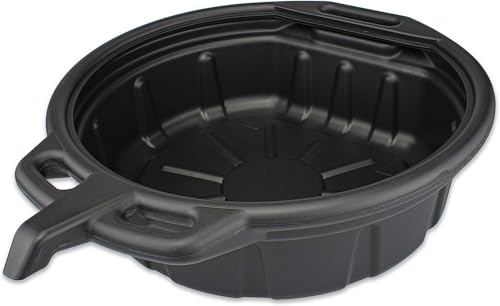
[QUALITY]: Oil drip tray is constructed of high quality, recyclable polythene plastic that is resistant to corrosion so your oil pan will remain durable for carrying oil, gasoline, and antifreeze.

CLEANER OIL CHANGES: This Scepter Oil Pan keeps your driveway and garage floor clean, eliminating spills and ensuring minimal cleanup; The 7.3-quart container is great for engine oil, hydraulic fluid, transmission fluid and anti-freeze
Inspect Hydraulic Fluid Before Disposal
Once you’ve drained that hydraulic fluid from your wood chipper or log splitter, you’re not quite done yet—you’ve got to actually inspect what you’re holding before you haul it off for disposal.
Start with viscosity testing—check if the fluid’s gotten thin and runny, which signals serious degradation. Next, perform contamination screening by looking for cloudiness, sludge, or visible particles floating around. Dark discoloration or a burnt smell means oxidation’s already breaking down the fluid’s protective properties.
What most people don’t realize is that degraded or heavily contaminated hydraulic fluid needs immediate replacement anyway. If you spot water contamination, thick varnish buildup, or metallic sludge, you’re dealing with waste material that requires professional disposal. Don’t try cutting corners here—this stuff’s genuinely hazardous to groundwater and soil. Monitoring pressure drop can also reveal hidden degradation before disposal.
A healthy hydraulic fluid typically has a faint petroleum‑like aroma, whereas a metallic or burnt odor signals a problem. Understanding the health risks associated with exposure helps ensure proper safety measures are taken.
Check Your Local Disposal Laws First
Since hydraulic fluid is classified as hazardous waste in most jurisdictions, you’ll want to understand what your state and local regulations actually require before you dispose of it—and here’s the thing, the rules vary considerably depending on where you live. Pennsylvania, for example, treats hydraulic fluid containing toxins like mercury or lead as hazardous waste requiring proper handling. Check whether you need a local permit for storage or if disposal deadlines apply in your area. Small-quantity generators often have more flexibility, but you shouldn’t assume that applies to you without verifying. Contact your county’s environmental or solid waste department to confirm requirements. Some regions offer free household hazardous waste collection days, while others charge fees. Knowing the rules upfront prevents costly mistakes and keeps your property compliant with state regulations. Always inspect the fluid before disposal to verify it hasn’t become contaminated with metal particles or debris from the equipment. Understanding a hydraulic ram pump can help you design a low‑energy system that minimizes fluid waste. High‑pressure additives are specifically formulated to protect components under the extreme loads typical in wood‑processing hydraulic systems.
Select a Disposal Method: Re-Refining or Hazardous Waste Facilities
Now that you’ve figured out what your local regulations actually require, it’s time to decide which disposal route makes the most sense for your used hydraulic fluid. You’ve got two main options here.
Re-refining benefits are significant—you’re looking at transforming that dirty oil back into usable lubricant. The good news is it cuts greenhouse gas emissions by 85% compared to burning it as fuel. One gallon of used oil produces quality base oil versus needing 42 gallons of crude normally. During the re-refining process, vacuum distillation heats the oil under reduced pressure so that base oil vaporizes and is collected, leaving impurities behind. This process also removes corrosive additives that can degrade metal components. viscosity stability is essential for maintaining proper hydraulic performance after re‑refining.
The other route is hazardous waste facilities. They handle contaminated hydraulic fluid beyond re‑refining specs through incineration or secure disposal, ensuring compliance with hazardous regulations.
Here’s the thing: if your oil’s relatively clean, re-refining’s your best bet environmentally and economically. Badly contaminated fluid? Head straight to hazardous facilities.

Reduces the operating temperature of hydraulic systems
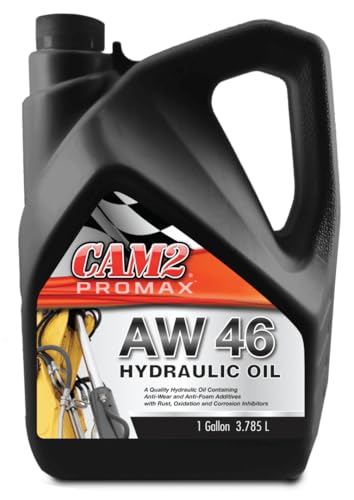
PREMIUM QUALITY: AW 46 hydraulic oil formulated with anti-wear and anti-foam additives for superior performance and equipment protection

Anti-Wear Hydraulic Protection: Formulated with advanced anti-wear additives and FMX Technology to help reduce friction, minimize component wear, and extend equipment life.
Find a Licensed Carrier or Authorized Facility Near You
After you’ve decided whether re-refining or hazardous disposal makes sense for your fluid, you’ll need to actually find someone qualified to handle it. In Louisiana, you’ve got solid options for licensed carriers. HWH Environmental, Clean Management, MCF Environmental, and Hazardous Waste Experts all operate in New Orleans and throughout the state, offering pickup and transport services specifically designed for folks like you.
Here’s the thing—before you contact a carrier, verify their permit status through RCRAInfo or the Hazardous Waste Information Platform. This guarantees you’re working with legitimate, compliant operations. When you call (HWH’s at 1-877-777-6708), they’ll assess your fluid volume and recommend the best approach. Most carriers offer straightforward pricing and handle transportation, so you’re not stuck managing it yourself. It’s worth the peace of mind knowing your hydraulic fluid’s handled properly. Proper storage reduces the risk of hydraulic fluid fire during handling. Always wear protective gloves when transferring fluid to prevent skin exposure. Choosing the right fluid based on viscosity stability can significantly extend equipment life.