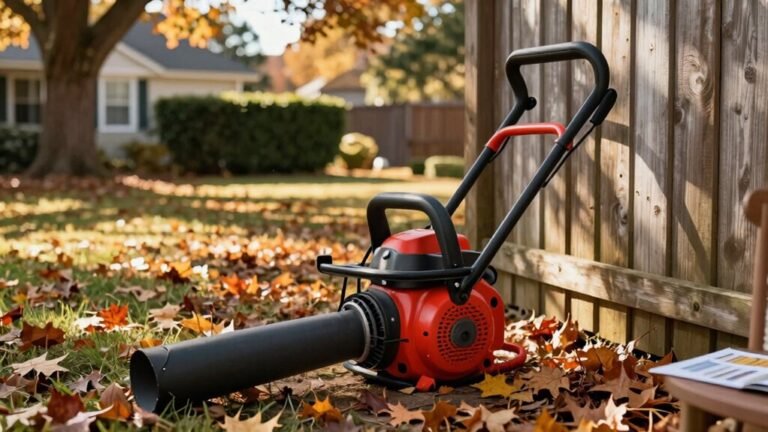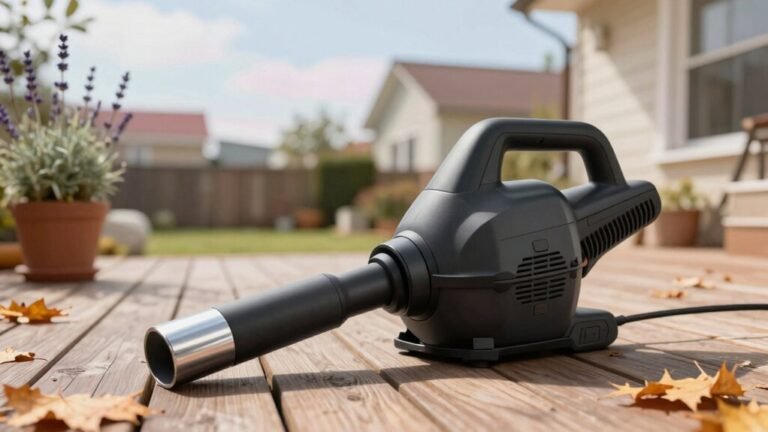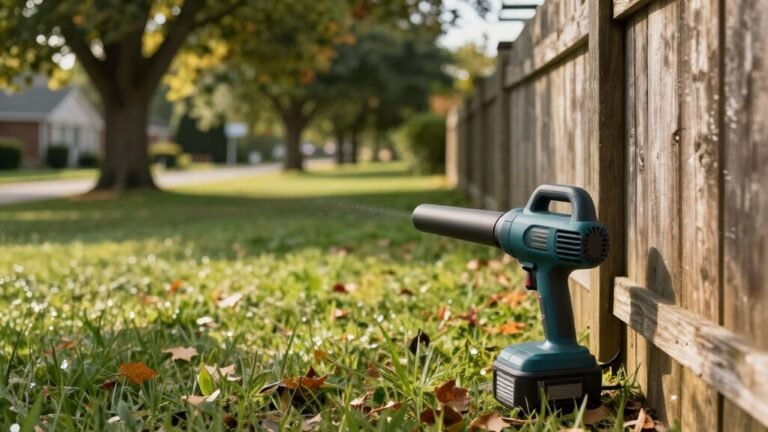
Most leaf blowers you’ll encounter run somewhere between 60 and 102 decibels, but here’s what most people don’t realize—that wide range means the difference between a tool you can use without hearing protection and one that’ll damage your ears in under two hours. Electric models typically max out around 75 dB, while gas-powered backpack blowers often exceed 90 dB near your ear. Understanding where your blower lands on that scale and how distance affects noise helps you choose the right tool for your neighborhood and protect your hearing in the process.
Understanding Decibels: A Leaf Blower Noise Guide
Ever wonder why your neighbor’s leaf blower sounds like a small aircraft while yours seems almost reasonable? The answer lies in understanding decibels—that logarithmic scale measuring sound intensity. Here’s the thing: a 10 dB increase doesn’t just sound a bit louder; it’s actually twice as intense to your ears.
Your typical electric leaf blower runs 60-75 dB, matching normal conversation or household appliances. Gas-powered models? They’re louder, hitting 65-85 dB. What most people don’t realize is that distance dramatically changes what you hear. At 50 feet, you’re experiencing 70-75 dB, but hold that blower close, and you’re suddenly exposed to 90-100 dB—where hearing damage becomes real.
Smart leaf blower ergonomics and regular maintenance noise reduction keep your equipment running efficiently while protecting your ears long-term. Battery technology advancements have made cordless electric blowers comparable in power to gas models, reducing emissions and noise. The high‑speed impeller creates turbulent airflow that is a major source of the loud noise. Noise reduction standards help manufacturers design quieter models for residential use.
Electric Leaf Blowers: Why They Stay Quiet at 60–75 dB
When you’re shopping for a leaf blower and spot that 60–75 dB rating on the label, you’re looking at one of the biggest advantages electric models have over their gas‑guzzling cousins. Here’s the thing: that rating’s measured at 50 feet, which is the standard for regulatory compliance. Modern battery tech has closed the performance gap considerably—cordless models now match their corded counterparts in noise output while delivering serious power.
What makes electrics so quiet? Their streamlined ergonomic design eliminates the combustion engine rumble that defines gas blowers. You’re getting efficient motor operation without explosive fuel burn. At your ear, they’ll run around 83 dB, but at distance, they’ll stay compliant in noise‑restricted neighborhoods. That’s why you’ll see them recommended for residential areas where gas blowers face outright bans. However, ear protection is still necessary for continuous leaf‑blowing sessions lasting two hours or longer to protect your hearing, since even electric blowers exceed safe hearing thresholds without proper protection. The fewer moving parts of electric blowers contribute significantly to their reduced noise output. For large properties, a backpack blower can provide the horsepower needed to cover extensive areas efficiently. Higher CFM ratings mean the blower can move more air volume, which helps clear debris faster even at lower noise levels.

7 Amp motor provides a powerful and efficient blowing performance

PROFESSIONAL-GRADE BRUSHLESS MOTOR – Engineered with advanced brushless motor technology, this 60V cordless leaf blower delivers 26cc gas-equivalent power (610 CFM airflow) for maximum torque and quiet operation — 50% quieter than gas models, with 2X longer motor life and zero maintenance

Finish Faster - 605 CFM of air volume and 120 MPH air speed.**
Gas-Powered Leaf Blowers: How They Reach 65–102 dB
Unlike their electric counterparts, gas-powered leaf blowers pack a combustion engine into a portable package—and that fundamental difference is exactly why they’re so much louder. Here’s the thing: a gas engine running at high RPMs produces intense noise, typically ranging from 65 to 102 dB depending on the model and measurement method.
You’re looking at operator exposure levels that regularly exceed 90 dB at your ear, especially with backpack models that position the noise source closer to your head. That’s well above OSHA’s 85 dB hearing protection threshold. The low-frequency rumble from two-stroke engines travels further and penetrates walls more effectively than electric models produce.
Engine maintenance and fuel efficiency matter, but they won’t silence that fundamental combustion roar. It’s just physics—and why many communities now restrict gas blower use during certain hours. Local ordinances often set specific times when these devices may be operated to reduce noise disturbance. Understanding hydraulic pressure is essential for selecting the right components in wood‑processing equipment.

Husqvarna 150BT Backpack Leaf Blower Gas Powered combines a high powered gas leaf blower with state-of-the-art ergonomic design

Powerful Gas Engine: Powered by an 72CC 2 - cycle engine, this commercial-grade blower delivers 3.7HP power, making it capable of tackling even the most demanding tasks with ease, making leaf, debris, and light snow removal effortless in any season
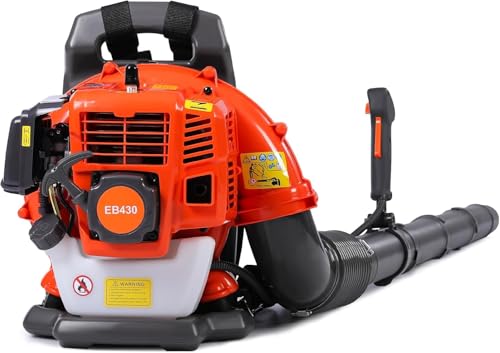
Make Room for Your Weekend: This gas leaf blower delivers up to 550 CFM and 230 mph to move wet leaves and yard debris. Clear your lawn and driveway one section at a time, then enjoy the space you worked to keep inviting

Weekend-Clearing Power This gas powered leaf bloer uses a 26cc 2-cycle engine toeliver 180 MPH ar sped an380 CFM volume, helping you move damp leaves, grass clippings, dust, and ight snow without waiting on batteries

Husqvarna 125B Gas Powered Leaf Blower combines high power with state-of-the-art ergonomic design as a useful addition to your lawn care equipment

Clear More With Every Pass: A 26cc 2-cycle engine delivers 380 CFM airflow and 180 MPH air speed to move wet leaves, grass clippings, and stubborn debris, helping you finish routine yard cleanup with fewer repeat passes
How Distance Multiplies Blower Noise: The 6 dB Rule
You’ve probably noticed that a leaf blower sounds dramatically quieter the farther you stand from it—and there’s actual math behind that observation.
Here’s the thing: sound follows what’s called the inverse square law. Every time you double your distance from the blower, you get a 6-decibel drop in noise attenuation. Move twice as far away, and it’ll feel noticeably quieter. Conversely, cutting your distance in half cranks the noise up by 6 dB—which explains why operators experience ear-splitting levels despite certified blowers measuring lower at standard 50-foot distances.
This distance amplification principle isn’t just theoretical—it’s why Portland’s regulations measure at fixed distances and why you’ll hear vastly different noise levels standing next to a blower versus across your yard. Understanding this helps you position yourself strategically and explains why even “quiet” models need hearing protection up close. The first leaf blower was invented by Walter B. H. Smith in the 1950s. Battery-powered models often have lower emissions, making them a greener choice for many homeowners.
Real-World Noise Comparisons: From Office Talk to Heavy Traffic
most leaf blowers land in the 85-90 dB range, which immediately puts them in serious urban noise territory. That’s louder than heavy traffic or a noisy restaurant, where you’re already shouting to be heard. For perspective, quiet office environments sit around 50 dB, normal conversation tops out near 65 dB, and freeway traffic measures roughly 70 dB. Your blower nearly doubles that. This is why hearing protection becomes essential—you’re operating equipment that demands respect for your long-term hearing health. Modern leaf blowers also feature noise reduction technology that can lower emissions by several decibels. When comparing brands, Stihl’s durability often outlasts competitors in demanding residential use. Choosing the right tool also depends on energy efficiency considerations, as vacuums typically consume less power than high‑velocity blowers.
Low-Frequency Noise: Why 2-Stroke Engines Feel Louder
While a decibel number gives you a baseline, it doesn’t tell you the whole story about why your neighbor’s gas-powered blower feels so much more intrusive than an electric one rated at nearly the same volume. Here’s the thing: two-stroke engines firing at 9000 rpm create intense engine vibration through their unbalanced aluminum blocks. That vibration triggers acoustic resonance—the sound doesn’t just come from the exhaust; it radiates from the entire machine. Low-frequency waves penetrate walls and travel half a mile without losing much energy. Your ears perceive this deep rumble as louder and more annoying than higher-frequency electric noise, even at identical dB ratings. Spectrograph analysis can identify peak frequencies for removal, allowing engineers to target the specific tones that cause the most annoyance rather than simply reducing overall volume. That’s why gas blowers genuinely feel worse than the numbers suggest. Using the correct fluid, such as power steering fluid formulated for high‑pressure systems, helps protect seals and reduce wear in the hydraulic components of the blower.
Hearing Damage and Leaf Blowers: Health Risks Above 85 dB
What most people don’t realize is that hearing damage accumulates. Even those short afternoon yard sessions add up over time. You’ll notice 34% of workers regularly exposed above 85 dB show measurable hearing loss. Grab quality earplugs or earmuffs before every use. Your future self will thank you for protecting your hearing now. Proper hydraulic fluid selection can also prevent equipment failure and reduce noise output. Using fluid that is effectively incompressible helps maintain consistent pressure and minimizes vibration. A leaf blower can significantly speed up yard work by moving large volumes of debris in a fraction of the time it takes to rake or sweep.

BEST IN CLASS QUALITY with Silky smooth, hypoallergenic, super soft proprietary formulation of polyurethane foam for an ultra premium user experience. Popular tapered shape with flat back and its well known blue color.
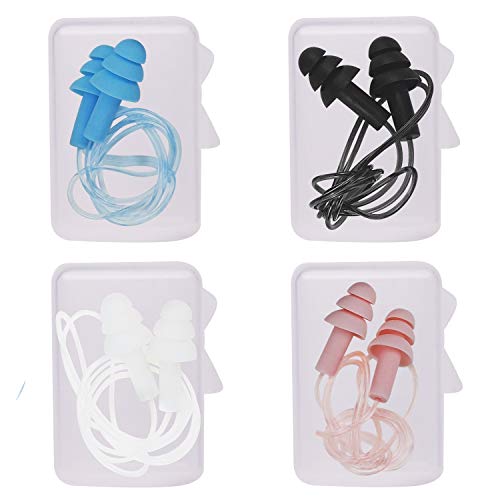
Natural soft silicone material: Earplugs are made of high-quality, hypoallergenic, and soft silicone, which will not harm the ear canal. It will not cause itching or allergic reactions like other plastic or PVC materials.
How Surface Type Affects Leaf Blower Noise
You’ve probably noticed that your leaf blower sounds different depending on where you’re using it—louder on the driveway, maybe a bit mellower in the yard. That’s not your imagination. Surface type dramatically impacts noise levels through surface reflection and acoustic properties.
Hard surfaces like concrete and pavement amplify sound through reflection, bouncing those acoustic waves back at you. You’ll experience noticeably higher perceived loudness. Grass and mulched areas, though? They absorb sound energy, especially lower frequencies, making the tool feel quieter overall.
Wet surfaces reduce impingement noise since moisture alters airflow dynamics. Soil disturbance on soft ground adds secondary noise layers that compound the effect. Here’s the thing: your operating surface directly shapes your leaf blower’s acoustic footprint. Choose wisely. Higher airflow in professional models can increase perceived noise on hard surfaces. Using a leaf blower to dry a car can demonstrate how air velocity influences both drying efficiency and acoustic perception. Proper nozzle selection can further reduce noise by directing airflow more efficiently.
Noise Regulations by State and City
Understanding where and when you can actually use your leaf blower is just as important as knowing how loud it gets. You’re looking at over 200 municipalities across the U.S. implementing their own noise rules, which means regulations vary wildly depending on your location.
The District of Columbia caps leaf blowers at 70 dB(A) at 50 feet, with nighttime bans between 8:30 p.m. and 8:00 a.m. Portland enforces seasonal limits restricting non-certified blowers from March through October, requiring 65 dBA compliance. Houston limits gas-powered models to 75 dBA in residential zones but tightens restrictions to 55 dBA during May through October.
Urban bans are expanding too. Seattle’s phasing out gas-powered blowers for city workers by 2025, with residential bans coming in 2027. Before you buy, check your local regulations—they’ll determine which equipment you can legally operate.
Choosing a Leaf Blower Within Legal Noise Limits
Since regulations differ so dramatically depending on where you live, picking the right leaf blower isn’t just about power and performance—it’s about making sure you won’t end up on the wrong side of your local noise ordinance.
Here’s the thing: you’ll want to check your city’s specific limits first. Many areas cap gas-powered models at 65–70 dB(A) at 50 feet, while others demand certification standards that verify quieter operation. The good news is electric models typically meet these thresholds easily, often hitting 65 dB(A) or less.
Before purchasing, verify whether you’ll need noise permits for your area. Look for third-party certified models—they’ve met strict testing protocols. Your local noise control office can provide certified equipment lists. Some jurisdictions implement time-based limits where decibel caps decrease with longer usage periods. Checking these details upfront saves headaches and keeps your neighborhood happy.

Efficient Cleaning: Upgraded cordless leaf blower eliminates the limitations and bulky feeling of traditional leaf blower with ropes. It can quickly blow away lightweight objects such as leaves and dust, making your cleaning work easier. Suitable for courtyards, parks, streets, and other places.

Enhanced Battery Power - Say goodbye to the tedium of leaf raking and back strain! Ditch the cord limitations and bulky noise of traditional leaf blower. Upgrade to the LAZYBOI battery-operated leaf blower with not one, but two powerful batteries, ensuring uninterrupted yard work efficiency. It's not just a tool; it's a thoughtful and practical present
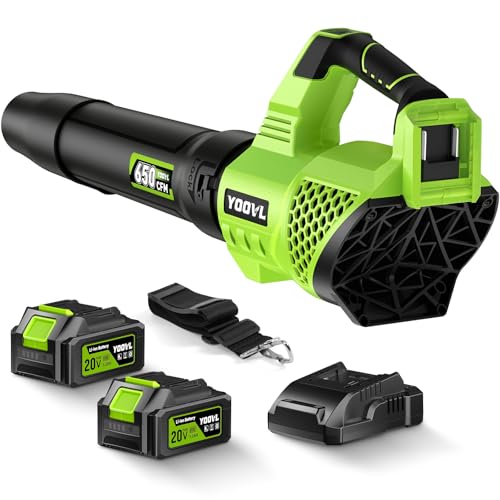
Upgraded Leaf Blower:More than just a leaf blower—YOOVL leaf blower cordless efficiently handles light snow, dust, grass clippings, and other debris from surfaces like lawns, sidewalks and garages. A must-have for year-round yard maintenance and thorough cleanups.