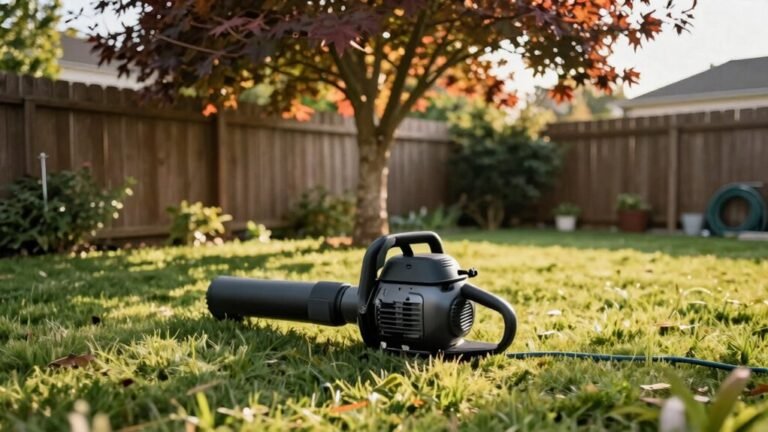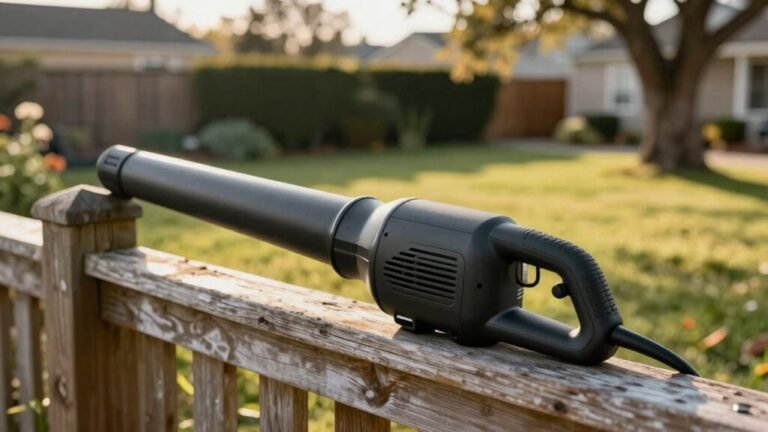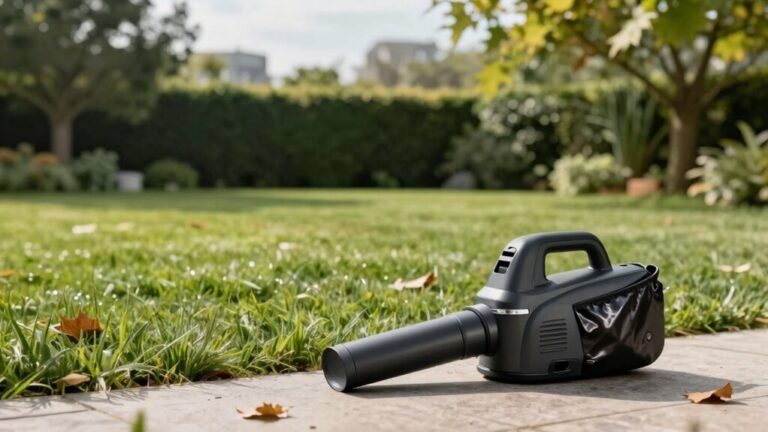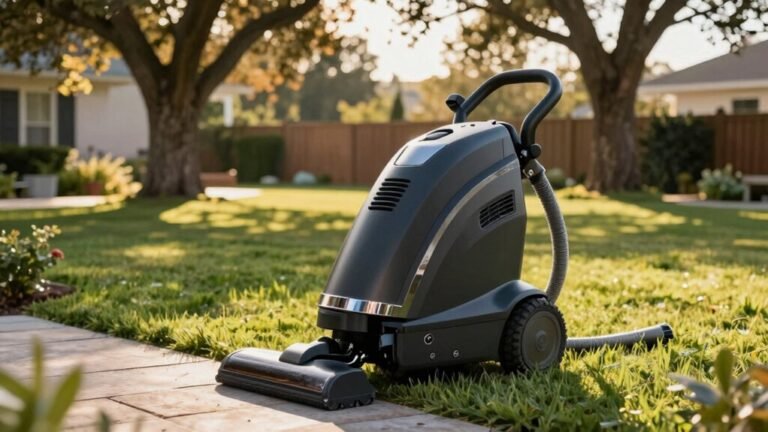
A rake’s your go‑to for flowerbeds, tight corners, and delicate plants because it lets you scoop without scattering leaves, and it’s cheap, quiet, and zero‑emission. A leaf blower shines on open lawns, driveways, and hardscapes, clearing a half‑acre in minutes and drying wet mulch, though it’s louder and uses more power. Early fall, light leaves are easier with a rake; later, thick piles are best blown into piles then raked. Pair them—blow the big area, rake the edges—and you’ll get a spotless yard fast. Keep going for deeper details on cost, speed, and safety.
Quick Answer: When to Choose a Rake or a Leaf Blower
When you’re staring at a pile of leaves and wondering whether to grab a rake or fire up a blower, the quick answer hinges on the size and layout of the space you’re tackling. If your yard is a sprawling lawn or driveway, the blower’s high‑speed gusts clear huge areas in minutes, saving you back‑strain and time. For flowerbeds, tight corners, or delicate plants, a narrow‑head rake gives you precision without risking damage. Eco‑friendly options matter, too—rakes generate zero emissions, while electric blowers keep the carbon footprint low compared with gas models. Seasonal timing also guides you: early fall, when leaves are light, a rake works fine; later, when piles thicken, the blower’s speed shines. The good news is you can mix both tools to match each zone’s needs. Gas‑powered blowers can reach noise levels comparable to a plane taking off. Backpack blowers are especially useful for large properties where extended use is required. For professional, heavy‑duty tasks, consider a model with high airflow to handle larger debris volumes efficiently. Modern battery technology enables cordless electric blowers to run longer and deliver more power than older models.
Rake vs Leaf Blower – Cost Comparison You Need to Know
After weighing when a rake or a blower makes sense for the job, the next thing you’ll want to figure out is how much each option will actually cost you. A maintenance rake typically runs $10‑$15, with no fuel or electricity bills, so your long‑term cost stays near zero. A basic electric blower starts around $50‑$100, plus monthly electricity and occasional hearing‑protection purchases; gasoline models jump to $100‑$200 and demand fuel and engine upkeep. High‑end wheeled blowers can hit $700‑$2,000, adding tarp and extra accessory fees. For a tight budget bounce, the rake is the clear winner, acting as a budget‑assistant that eliminates hidden expenses while still getting the job done. The self‑dumping cage catcher can eliminate manual labor and tarp issues, but it comes with a higher upfront cost. Understanding CFM ratings helps you compare the actual airflow power of different blower models. Electric blowers are generally quieter because they lack a noisy internal combustion engine.

420 CFM Powerful Airflow: Delivers up to 420 CFM of airflow for fast removal of dry leaves, grass clippings, dust, and light debris. Ideal for patios, driveways, garages, sidewalks, decks, and everyday residential yard cleanup

【Dual-Battery System & Fast Charger】It comes with two 20V 2.0Ah batteries that can be used interchangeably, so you can keep working while one charges. At low speed, runtime extends up to 60 minutes per full charge (actual runtime varies by speed and conditions). The included fast charger powers up each battery efficiently.

STRONG BLOWING: 12 Amp electric blower delivers up to 600 CFM and 110 MPH for clearing leaves and debris from lawns, driveways, patios, decks, and walkways.
Rake vs Leaf Blower – Speed and Efficiency on Large Lawns
If you’ve got a sprawling lawn and a pile of leaves that looks like a carpet, speed matters more than anything else. A leaf blower can sweep a half‑acre in minutes, while a rake drags you across the same ground for hours. The good news is modern electric models with an eco blade design keep airflow efficient without choking on wet clumps, and their battery life now lasts long enough for a full‑size yard. What most people don’t realize is that the blower’s directional sweep lets you cover a wide swath without bending, so you stay comfortable and finish faster. A rake still offers precise control, but on a large lawn its manual effort quickly outpaces any speed advantage. Additionally, the noise level of a leaf blower can be overwhelming, making raking a quieter alternative. For a more durable option, consider the Stihl brand which is known for its robust construction and long‑lasting performance. Choosing a tool based on terrain compatibility helps ensure optimal performance across different yard surfaces.

7 Amp motor provides a powerful and efficient blowing performance
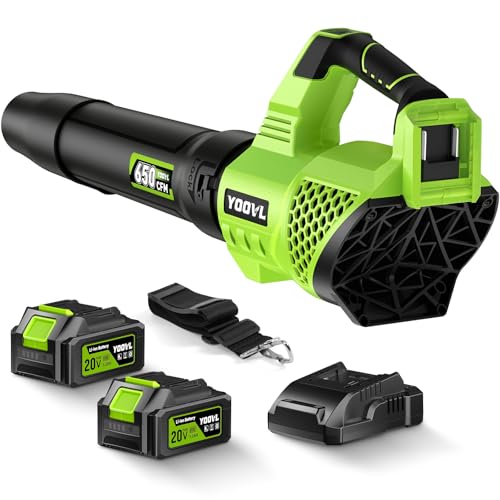
Upgraded Leaf Blower:More than just a leaf blower—YOOVL leaf blower cordless efficiently handles light snow, dust, grass clippings, and other debris from surfaces like lawns, sidewalks and garages. A must-have for year-round yard maintenance and thorough cleanups.

Powerful Performance – This leaf blower delivers an impressive 210 MPH airspeed and 390 CFM airflow, this corded leaf blower easily clears leaves, debris, and grass clippings from your yard, driveway, and patio.
Rake vs Leaf Blower – Handling Tight Spaces and Obstacles
Speed may win the battle on a big lawn, but once you get down to the garden beds, flower borders, and those narrow gaps between deck boards, the game changes. In those tight spots, Rake maneuverability shines. You can glide the tines around delicate plants, scoop piles without scattering leaves, and work around boulders or fence bases without bruising the grass. Blower airflow, on the other hand, needs open space to push debris into a pile; it stalls between deck boards and can blow leaves onto nearby flowers. The good news is you can start with a blower on the open pavement, then switch to a rake for the remaining corners. What most people don’t realize is that a rake lets you place leaves exactly where you want, avoiding damage to tender foliage. Proper equipment settings can also reduce fuel consumption and noise during the cleanup. Check the mower’s condition before starting to ensure optimal performance. Wet leaves become slippery and hazardous when blown, increasing the risk of injury and damage to nearby plants.

Heavy-Duty, Rust-Resistant Small Rake: This garden leaf rake is made of high-strength steel with a rust-resistant coating, making it far more durable than plastic rakes. Equipped with 11 sturdy metal tines, it will not loosen, bend, or break while raking leaves and debris.
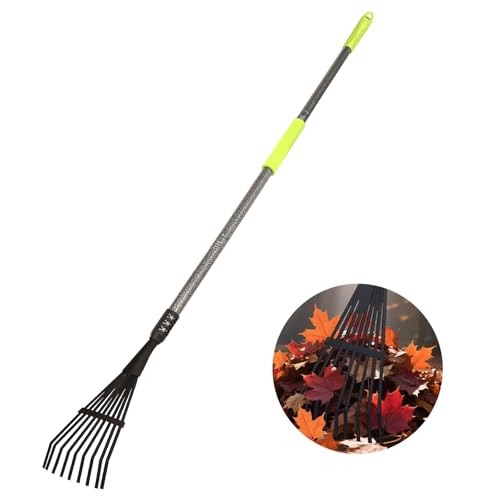
Adjustable Handle Length: the leaf rake features a 3 adjustable lengths designed to fit your body: 16.3 INCH / 31.7 INCH / 48 INCH, suitable for different people and uses. The long handle will relieve back strain, the short handle for easy control and for kids gardening. Simply add or remove the extension handle to adjust the length as required

【Heavy Duty and Anti-Rust】Features thick steel with an antirust and anticorrosion coating, the whole metal yard rakes are sturdy enough to collect leaves and loosen soil without collapsing or cracking.
Rake vs Leaf Blower – Noise, Emissions, and Health Impacts
When you fire up a leaf blower, the noise can hit you like a jet‑engine on a quiet street, and the fumes it belches out are anything but harmless. The whine can reach 100 dB at your ear, far above the CDC’s 70 dB hearing‑damage threshold, so you’ll need ear protection and your neighbors will hear you. Gas‑powered models spew carbon monoxide, smog‑forming pollutants, and dust that aggravates asthma, while even electric blowers stir up allergens and particulate matter. That’s why many towns now limit decibel ratings and ban gas units. Switching to a rake gives you dustution reduction and protects community health, keeping the air cleaner and the sound level at a friendly chat. The high‑speed impeller creates turbulent airflow that generates a broad spectrum of sound frequencies, which are amplified by the blower’s housing resonant cavity. Leaf blowers typically emit between 85 dB and 105 dB, a range that can be compared to common urban noises such as traffic or a lawn mower. Stihl’s reputation for professional durability underscores why many contractors prefer it over lighter alternatives.
Rake vs Leaf Blower – Which Tool Stays Quiet and Clean?
Even though a leaf blower can clear a yard in minutes, its roar and exhaust often turn a quick clean‑up into a noisy, dusty hassle. If you crave a truly quiet job, a rake is unbeatable—no engine, no whine, just the gentle clack of metal on wood. You’ll keep the air clean, because rakes emit zero pollutants and don’t stir up dust or allergens. The aesthetic integration of a rake into your garden is seamless; it blends with flower beds and mulch without disrupting the visual flow. Plus, a well‑made rake offers maintenance durability that lasts season after season, while blowers need regular engine checks, battery swaps, or spark‑plug replacements. The good news is you can achieve a pristine lawn without noise complaints or health concerns. The shift toward zero‑emission alternatives is accelerating as communities demand quieter, cleaner yard tools. Regularly checking the spark plug can prevent ignition failures that leave a blower silent. Many cities have enacted gas‑powered blower bans to reduce noise and air pollution.
Rake vs Leaf Blower – Extra Yard Jobs Each Can Handle
If you think a leaf blower can only chase leaves and a rake just gathers them, you’re missing a lot of the extra jobs each tool can tackle. A sturdy landscape rake can level soil, break up compaction, and even help with soil aeration in flower beds, something a blower can’t do. You’ll also find that bow rakes and aluminum rakes excel at mulch distribution, spreading it evenly across beds or driveways. Meanwhile, a leaf blower shines when you need to clear debris from tight spaces, blow sand off patios, or dry out wet mulch after a rain. The good news is you can pair them: use the rake for grading, aeration, and mulch placement, then finish with the blower to dust off stray bits and keep the yard looking pristine. The Sun Joe garden rake’s helper handle lets you work upright, cutting strain and speeding up the job. Modern leaf blowers also feature variable speed controls that let you adjust power for delicate tasks. Proper equipment inspection before each use helps prevent accidents and ensures optimal performance.

Versatile for Land & Water: Whether leveling road edges, clearing leaves, tidying garden weeds, or even cleaning floating debris, our landscape rake performs well in all tasks.

Built for Long Term Durability: The bow rake head is forged from heat-treated manganese steel, giving it high hardness and wear resistance. 17 solid tines are welded securely to the bow frame, forming a structure that resists bending and loosening. A sturdy steel handle completes the design, allowing this garden rake to withstand repeated gardening, lawn care, and outdoor work season after season.

Durable Build for Long-Lasting Use - The lawn leveling rake features a securely connected rake head and handle. Our leveling rake is made of stainless material, it's highly durable, resists bending and breaking under pressure, and withstands rust — perfect for long - term outdoor yard work.
Rake vs Leaf Blower – Physical Effort, Safety, and Fitness Level
Raking a yard feels like a full‑body workout, while a leaf blower lets you glide through the same job with far less effort. If you grab an ergonomic design rake, you’ll still bend, twist, and engage your core, burning roughly 224 calories per hour and getting a decent aerobic boost. A blower, even a lightweight model, trims that burn to about 170 calories, so you won’t sweat as much but you’ll preserve your back and hips. The good news is you can pick based on fitness level: raking suits those who want a whole‑body workout, while a blower is safer for anyone with injuries, low fitness, or mobility concerns. Just remember, both have safety quirks—rakes can strain your lower back, and blowers can puff fumes or debris—so take breaks and wear protection. Leaf blowers can handle large volumes of debris in a fraction of the time, dramatically reducing the overall duration of yard cleanup. Follow each step to ensure safe and efficient operation.
Rake vs Leaf Blower – Best Use Cases for Gardens, Acres, and Hardscapes
When you’re looking at a garden, an acre of lawn, or a paved patio, the tool you pick can make—or break—the cleanup. In a garden, a rake lets you sweep gently, preserving delicate plants, keeping garden aesthetics pristine, and protecting soil health by building compost‑ready piles. A leaf blower, with its forceful gusts, risks bruising foliage and scattering mulch, so it’s less ideal where precision matters. On an acre of lawn, the blower shines—its powerful airflow clears massive areas in minutes, saving you energy and time, while a rake would be a grueling slog. For hardscapes like driveways, patios, and walkways, the blower excels, whisking debris off concrete and even tackling gutters, whereas a rake would be slow and underpowered. Use the tool that matches the space: rake for delicate, small zones; blower for large, hard surfaces.
Rake vs Leaf Blower – How to Combine Both for the Ultimate Cleanup
Even though a single leaf blower can whisk away a mountain of leaves in seconds, you’ll quickly realize that pairing it with a good old‑fashioned rake gives you the best of both worlds. Start by blowing the open lawn into neat piles; the blower’s speed saves you hours. Then grab a rake and sweep those piles into bags or compost, especially around flower beds and under bushes where the blower would scatter debris. This sequence balances speed with thoroughness, preserving soil aesthetics and preventing wind‑blown leaves from re‑settling. Alternating between high‑intensity blowing and moderate raking reduces fatigue, cuts noise, and extends the life of both tools. The result? A cleaner yard, less effort, and a healthier, more attractive landscape. Using a lightweight plastic rake helps avoid pulling up roots when the soil is still moist.
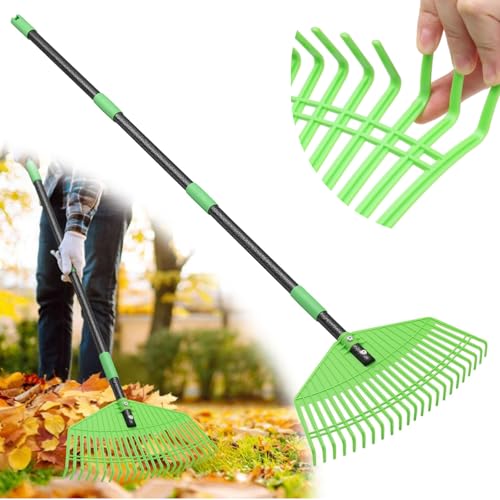
Lightweight & Effortless Raking - Weighing only 1.65 lbs, this plastic leaf rake lets you clean your yard for hours without strain or fatigue. Its perfectly balanced design makes it easy to handle for women, seniors, and even kids, reducing arm and back pressure. Whether you’re collecting fallen leaves after a storm or tidying up every weekend, enjoy a smooth, easy, back-saving raking experience every time.

Heavy duty 1" diameter expandable metal rake for leaves painted black to prevent rusting and bending under heavy use.

Built to Last - Reinforced Head That Resists Cracking: Tired of plastic rakes breaking after a few uses? This garden leaf rake features a reinforced nylon plastic head designed to handle everyday yard cleanup without brittle snapping. Ideal for leaves, pine needles, grass clippings, and light debris-so you finish the job instead of replacing your plastic rake.