You start by gathering local health data—show how gas blowers spew CO, benzene, PM2.5 and hit 80‑90 dB, then compare that to a car’s emissions and asthma spikes. Next, map existing bans in Walnut Creek, Oakland, Palo Alto, and the state’s 2024 sales ban to shape your ordinance’s scope, window, and clear exemptions for emergencies or municipal crews. Build a coalition, spread flyers, and push for a $300 rebate on electric units. Finally, set a tiered fine schedule (like Miami Beach) and an online complaint portal; the good news is the rest of the guide walks you through each step.
Document Health and Noise Impacts of Gas Leaf Blowers in Your Area
If you’ve ever stood on your porch while a gas leaf blower roared past, you probably felt more than just a gust of wind—you felt a wave of noise and a hidden cloud of pollutants that can linger long after the engine shuts off. The health impacts start with a cocktail of carbon monoxide, formaldehyde, benzene, nitrogen oxides and fine particulate matter that a half‑hour of blowing equals driving a Ford F‑150 for 3,900 miles. Those PM2.5 particles settle deep in your lungs, aggravating asthma, COPD and even heart disease. Noise exposure is another beast: a blower pushes 80‑90 dB at your ear, enough to cause permanent hearing loss after two hours. Low‑frequency rumble sneaks through windows, disturbing neighbors, kids in nearby schools, and wildlife. You’ll notice the dust cloud carrying mold, pollen and heavy metals, which can stay airborne for days, infiltrating homes and raising allergy risks. In short, every time you fire up that gas blower, you’re exposing yourself and your community to serious health and noise hazards. Several cities have already enacted bans, citing the substantial decline in asthma-related emergency visits after the reduction of leaf blower emissions and the adoption of quieter, electric alternatives. Regulatory trends show that municipalities are increasingly adopting noise‑level limits and emissions standards to protect public health. The fuel consumption of gas blowers often exceeds that of comparable electric models, contributing to higher overall emissions.

7 Amp motor provides a powerful and efficient blowing performance
650 CFM & 200 MPH HIGH-TORQUE OUTPUT Standing out among cordless leaf blowers battery powered, this unit is driven by a 20,000 RPM high-torque motor that delivers 650 CFM of air volume and 200 MPH air speeds. The thermal-regulated design maintains stable operating temperatures during extended cleaning sessions. Operating with a low-noise profile, it efficiently clears dry and damp yard foliage, driveway debris, garage grit, and light snow.

420 CFM Powerful Airflow: Delivers up to 420 CFM of airflow for fast removal of dry leaves, grass clippings, dust, and light debris. Ideal for patios, driveways, garages, sidewalks, decks, and everyday residential yard cleanup
Map Existing Laws to Shape Your Gas Leaf Blower Ban
You’ve just seen how gas leaf blowers choke the air and jam the ears, so the next logical step is to see what the law already says about them. Start by cataloguing citywide bans—Walnut Creek, Los Gatos, Oakland, Berkeley, Palo Alto—then note partial limits like Los Angeles’ 500‑foot buffer or Davis’s 10‑minute rule. Compare those to state‑level actions: California’s 2024 sales ban and the Air Resources Board’s emissions data give you a powerful backdrop. Spot policy opposition in places that only restrict use, not sales, and flag policy gaps where exemptions for emergencies or commercial fleets remain vague. Mapping these layers lets you craft a ban that fills those gaps, leans on proven language, and anticipates pushback. The state’s ban on the sale of new gasoline‑powered outdoor equipment, including leaf blowers, is a critical regulatory framework to reference when building local ordinances. The invention of the leaf blower by Walter B. H. Smith in the 1950s illustrates how quickly such technology can become entrenched. Backpack leaf blowers provide higher horsepower for large properties, reducing user fatigue during prolonged use.
Draft a Seasonal or Year‑Round Gas Leaf Blower Ban With Clear Exceptions
When you start planning a leaf‑blower ban for your town, think of it as a two‑step recipe: first decide whether you want the restriction to roll out only in the hottest months or to stay in place year‑round, then spell out the handful of clear, practical exceptions that keep essential work moving. Pick a seasonal window like Westchester’s summer ban or a year‑round model like D.C.’s, then list exceptions for public‑health‑critical tasks—fire‑season power generators, emergency clean‑ups, and small‑scale landscaping during limited spring/fall hours. Emphasize noise reduction by allowing gas blowers only when necessary, such as for municipal crews during a brief phase period. Include enforcement fines, a phased timeline, and a push toward electric alternatives to protect public health and keep neighborhoods quiet. Higher airflow models from Husqvarna are often chosen for heavy‑duty professional use, highlighting the importance of considering performance differences when drafting exemptions. Battery capacity advancements have made cordless electric blowers viable for many residential applications.
Rally Grassroots Support for a Gas Leaf Blower Ban
Because neighbors hear the roar of gas leaf blowers every spring, rallying grassroots support starts with turning that irritation into action. You begin with community outreach: gather facts, personal stories, and striking statistics about noise, air pollution, and health risks. Share them on Nextdoor, at HOA meetings, and via a simple flyer or postcard campaign. Form a coalition—local environmental groups, health clinics, and neighborhood associations can unite under a banner like the Quiet Clean Alliance, giving your voice weight. Then move to policy lobbying. Write letters, make phone calls, and attend city council hearings, presenting the coalition’s research‑backed evidence. Keep supporters engaged with newsletters and a social‑media group, and track every complaint or affidavit you file. This coordinated effort turns neighbors’ frustration into real legislative pressure. Studies link blower noise to higher blood pressure, increased heart rate, and poor sleep, highlighting the health impact of gas‑powered units. The rapid adoption of high‑power leaf blowers has spurred a regulatory push that many cities are now beginning to enact. Understanding CFM ratings helps illustrate how airflow power translates into noise levels and environmental impact. Typical gas leaf blowers operate at 90–110 dB, a range comparable to a chainsaw or a subway train, underscoring the need for effective noise mitigation strategies.

STRONG BLOWING: 12 Amp electric blower delivers up to 600 CFM and 110 MPH for clearing leaves and debris from lawns, driveways, patios, decks, and walkways.
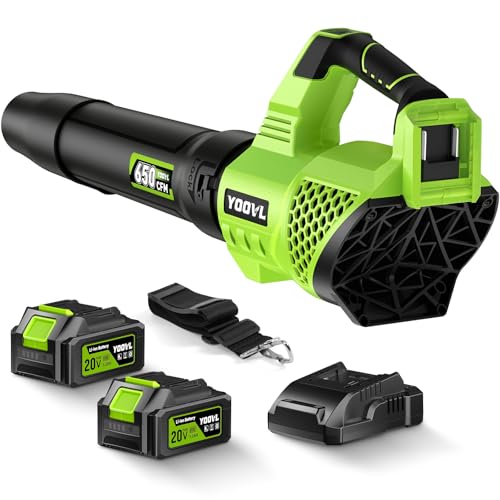
Upgraded Leaf Blower:More than just a leaf blower—YOOVL leaf blower cordless efficiently handles light snow, dust, grass clippings, and other debris from surfaces like lawns, sidewalks and garages. A must-have for year-round yard maintenance and thorough cleanups.

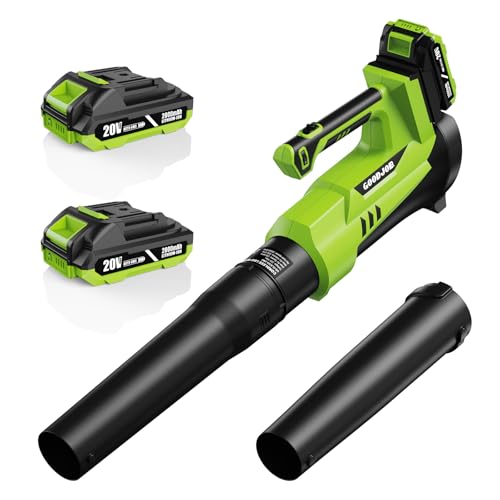
Enhanced Battery Power - Say goodbye to the tedium of leaf raking and back strain! Ditch the cord limitations and bulky noise of traditional leaf blower. Upgrade to the LAZYBOI battery-operated leaf blower with not one, but two powerful batteries, ensuring uninterrupted yard work efficiency. It's not just a tool; it's a thoughtful and practical present
Fund Incentives to Help Residents Switch From Gas to Electric Leaf Blowers
Ever wonder how you can make the switch from a noisy, smog‑spewing gas leaf blower to a quiet, clean‑running electric one without breaking the bank? The good news is you can tap into grant rebate programs that cover up to $300 of the purchase price. Many cities use a tiered approach—75 % of the cost (up to $150) up front, then 25 % (up to $50) later—so you’ll see cash back quickly. Look for a vendor partnership at your local hardware store; they’ll apply the rebate at checkout, meaning you pay less out‑of‑pocket. You can also combine a low‑interest microloan with the rebate, letting you recoup the expense within a year thanks to lower electricity and maintenance costs. What most people don’t realize is that manufacturers often add extra discounts when you buy multiple units, making it even easier for hobbyists and small‑scale landscapers to upgrade. Electric blowers produce significantly less noise than gas models, making them a quieter choice for residential neighborhoods. Understanding the fuel type differences helps you choose the most efficient and environmentally friendly option. Modern designs also incorporate advanced brushless motors that increase durability and reduce energy consumption.
Set Up Fine‑Based Enforcement for the Gas Leaf Blower Ban
You’ve already figured out how to snag a rebate and keep the cost of an electric leaf blower low, so now it’s time to make sure everybody else follows the new rules. Start by drafting a fine schedule that mirrors successful models: Miami Beach’s $250‑$500‑$1,000 tier, Coronado’s warning‑then‑$100, and Montgomery County’s flat $500. Publish the schedule on your city website and announce it at public analysis workshops so residents understand the stakes. Track enforcement metrics—violation counts, repeat offenses, and revenue—to tweak penalties if needed. Use a simple online form for complaints, then let the police or community development team issue fines. Keep the process transparent, and you’ll see compliance rise quickly. Single‑witness testimony is now the primary enforcement method after photo enforcement was halted. Understanding viscosity stability helps ensure the chosen fine system remains effective under varying weather conditions. Properly checking the engine’s spark plug health before each season can prevent unexpected failures. Noise level monitoring can also be incorporated to assess compliance with local ordinances.