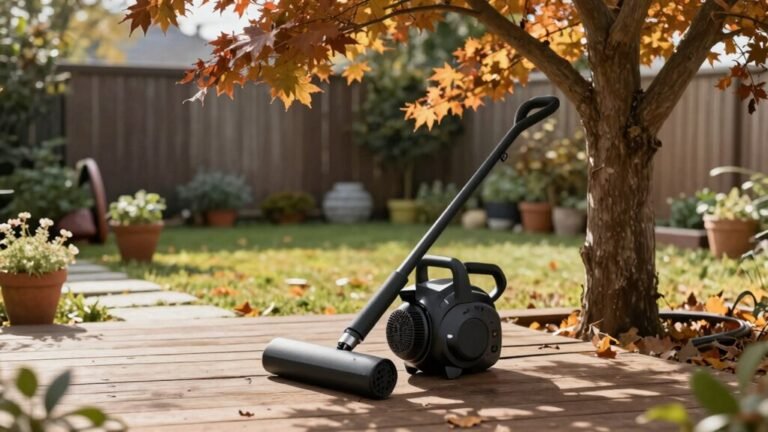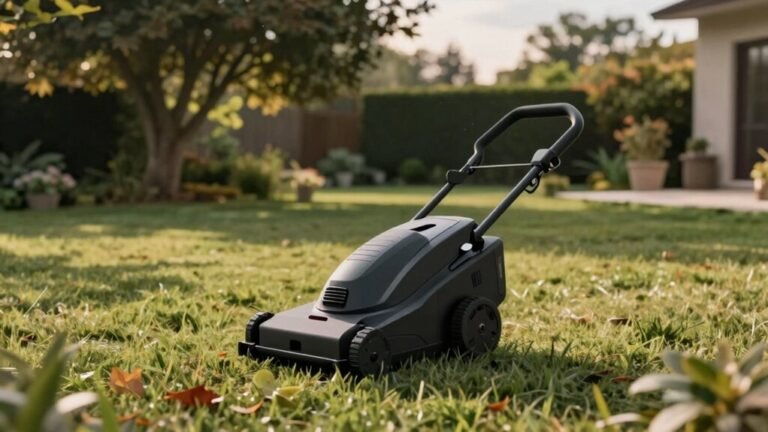
Pick the right blower for your yard, then mix a 50:1 fuel‑oil blend if it’s a two‑stroke engine and shake it well. Do a quick safety check: tighten loose bolts, inspect the guard, wear ear and eye protection, and make sure the emergency stop works. For a cold start (<15 °C) pull the choke, purge the air bulb ten times, then pull the rope slowly before yanking quickly; for warm or hot starts use half‑choke or a few primer squeezes. Idle 30 seconds, then go full throttle. If it won’t fire, check the spark plug, fuel line, and carburetor—more tips await if you keep going.
Select the Correct Blower and Prepare the Fuel‑Oil Mix
So, how do you pick the right blower and get that fuel‑oil mix spot‑on? First, size your yard. For a small garden, a handheld 100‑400 CFM unit will do, but a medium yard needs 400‑700 CFM backpack power, and a large property calls for 700‑1300 CFM walk‑behind or gas backpack. Next, match CFM‑MPH: a 500 CFM blower with 200 MPH tackles heavy, wet leaves, while 150 CFM at 110 MPH is fine for dry debris. If you go gas‑powered, remember the fuel‑oil ratios—two‑stroke engines need a precise 50:1 mix, otherwise you’ll foul the engine. Measure the oil, pour it into fresh gasoline, shake well, and you’re ready to fire up a correctly sized blower. Backpack blowers provide higher horsepower for larger properties and reduce user fatigue during extended use. Electric blowers are typically quieter, making them a more comfortable choice for residential use. Understanding airflow volume helps you choose a blower that moves enough air to clear debris efficiently.

ERGONOMIC BACKPACK DESIGN: This backpack gas blower incorporates a shock-absorption system and ergonomic straps. The backpack is made from high-strength nylon that is durable and tear-resistant. Adjustable padded shoulder straps and a thick back cushion enhance comfort and reduce vibration during extended use.

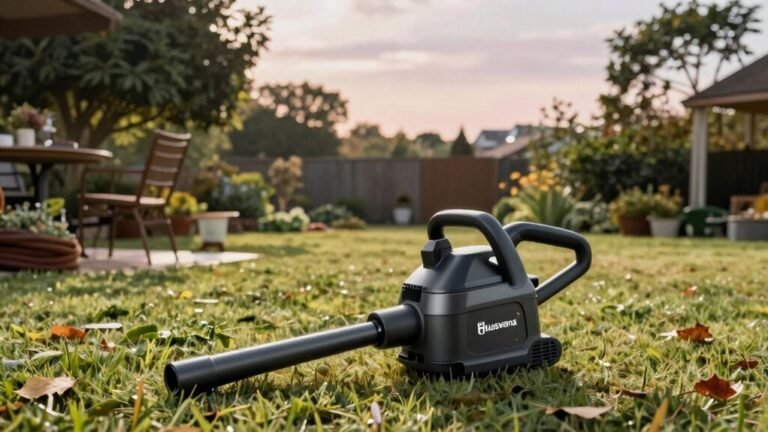
Husqvarna 150BT Backpack Leaf Blower Gas Powered combines a high powered gas leaf blower with state-of-the-art ergonomic design
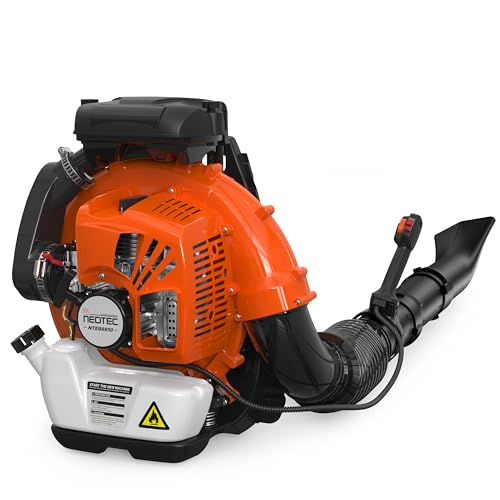
75.6CC 2-CYCLE POWERFUL ENGINE: With powerful airflow of 847 CFM and a speed of 236 MPH, NEO-TEC commercial gas backpack leaf blower delivers 4.2 HP, handles various cleaning tasks for wet leaves, snow, and heavy debris.
Complete Essential Blower‑Specific Pre‑Start Safety Checks
Before you pull the cord or press the button, make sure you’ve run through the essential pre‑start safety checks—because a leaf blower is powerful, but it’s only as safe as the preparation you put into it. First, run your safety checklist: tighten any loose nuts, bolts, or screws, and do a quick guard inspection to confirm all guards are fitted securely. Check the fuel mix and tank for leaks; wear chemical‑resistant gloves while handling fuel. Verify the emergency stop button works and locate the ON/OFF switch. Put on noise protection—earplugs or an earmuff headset—and eye protection. Clear the work area of people, pets, and flammable debris, and stand the blower upright on a level surface. Finally, confirm you’re alert, hydrated, and physically ready before you start. Also, inspect the intake area to ensure it is free of debris and obstruction. Remember to follow the proper shutdown procedure to prevent fuel spillage and engine damage. Ensure the spark plug is clean and properly gapped for optimal ignition. Choose the correct nozzle to match the task and adjust speed for efficient leaf removal.
Choose the Correct Starting Method (Cold, Warm, Hot)
When the temperature’s down low, the air’s thick, or the engine’s just been sitting idle, you’ll need a different start‑up routine than you would on a warm, sunny afternoon. First, consult the temperature guide: below 15 °C you’ll use the cold method, between 15 °C and 32 °C the warm method, and above 32 °C the hot method. For cold starts, set choke selection to full choke, purge the air bulb ten times, and pull the rope slowly until resistance, then yank quickly. Warm starts need half choke, throttle held, and a quick pull. Hot starts call for a few primer squeezes, choke in the run position, and a firm pull. Adjust the choke gradually once the engine fires, and you’ll be ready to clear those leaves. Ensure the engine is cold before beginning any start procedure. Stihl’s fuel‑oil mix is essential for optimal performance. Before starting, verify the spark plug condition to avoid misfires.

【Choke Levers】Designed specifically for leaf blowers, these choke levers ensure smooth operation and effortless control of the engine's choke mechanism.

Complete Throttle Control Assembly Set: Includes 1 or 2 air door assemblies-insure you select the correct quantity for your leaf blower model; verify compatibility with your unit before ordering.

Quality Assurance: Well-designed, well-crafted. Not an OEM part, but meets OEM manufacturing requirements. This is the manufacturer's replacement and is functionally equivalent to the previous part.
Match the Starting Method to the Appropriate Handheld or Backpack Technique
Matching the right starting method to the technique you’ll use—whether you’re holding a lightweight handheld blower or strapping on a backpack unit—makes the whole process smoother and safer. For a cold‑start handheld, use a firm Handheld Grip on the nozzle while your other hand pulls the starter rope. Keep the nozzle pointed down, engage any throttle interlock, and stay clear of bystanders. If you’re on a warm‑start backpack, focus on Backpack Stabilization: plant one foot against the baseplate, strap the unit securely, and hold the nozzle away from your body. Pull the starter handle with your right hand after stabilizing, then squeeze the throttle. The good news is each method matches the engine’s temperature, so you avoid stalling and get a clean start. Ensure fuel connection is secure before ignition. Perform a quick pre‑operation inspection to verify the air filter and spark plug are clean and in good condition. Check the oil‑fuel mixture to guarantee proper lubrication and combustion. Electric blowers produce zero emissions and can be a quieter alternative for small yards.

【Blazing 990,000 RPM Turbine Motor】Engineered with a premium turbine motor, the handheld blower delivers wind speeds over 50m/s (110+ mph). Powerful airflow drives wet foliage, grass cuttings and loose debris. Aerodynamic blades sustain stable performance and prevent overheating.

【Why Choose Wanvzo?】Features an upgraded, safer honeycomb-style rear cover. Delivers 3X the blowing power of traditional leaf blowers. 100% cordless and lightweight design for one-handed operation. Equipped with 2 batteries for longer working time. Included earplugs create a more comfortable user experience. Equipped with an extension tube and flat nozzle, concentrating airflow to enhance blowing power for fast and precise cleaning.

STRONG POWER, EASY CLEANUP: This 26CC 2-cycle gas leaf blower delivers 432 CFM of airflow and 180 MPH airspeed to help you easily move damp leaves, grass clippings, dust, sawdust, small pebbles, light snow, and other yard debris. Focused airflow helps gather scattered debris into piles, reducing the need for repeated passes. Don't let a pile of leaves steal your whole weekend
Idle the Engine for 30 Seconds Before Full‑Power Operation
You’ve just got the blower in your hands and the starter rope is still humming in your grip. Let it idle for about 30 seconds before you yank the throttle. That short warm‑up gets oil moving through the 2‑cycle engine, lubricating the piston and crankshaft so you won’t hear a grind when you go full‑power. It also stabilizes the fuel‑air mix, preventing the engine from stalling as you add load. While it’s idling, glance at the exhaust tip—if you notice a loss of punch, that’s a cue for spark‑arrestor cleaning. A quick brush removes carbon that can choke airflow. The good news is that this brief idle protects your engine and gives you a smooth, reliable start every time. If the spark‑arrestor becomes clogged with soot, it can cause the engine to stall. The fan’s centrifugal action creates a high‑velocity airflow that efficiently dislodges debris. Choosing a model with a higher airflow rating can further improve debris clearance. Regularly inspect the fuel line for blockages to prevent ignition failure.
Fix Common Starting Problems and Troubleshoot Quickly
If your leaf blower refuses to fire up, the culprit is usually one of a handful of easy‑to‑check parts, and you can sort them out in a few minutes before it gets to the point of calling a mechanic. First, pull the spark plug and look for carbon, corrosion, or wetness—clean it with a wire brush or replace it if it’s fouled; that’s a quick performance tuning win. Next, check the fuel filter and lines; stale fuel clogs the filter and starves the carburetor, so drain the old mix and do fresh fuel maintenance with the correct oil‑to‑gas ratio. If the carburetor looks gunky, spray cleaner, disassemble, and rinse. Finally, inspect the air filter and spark arrestor—replace a dirty filter and clear any soot. A clean ignition coil and a functional recoil spring seal the deal, getting you back to blowing leaves in no time. Also, verify the rewind spring is intact and properly tensioned to ensure the starter rope recoils correctly. For a thorough clean, consider using a carburetor cleaning solvent to dissolve stubborn deposits in the jets and passages. A clogged air filter can also cause the motor to stall when you give it gas. Follow the manufacturer’s guidelines for pre‑operation checks before each use to maintain optimal performance.

Includes (1) BPM8Y Spark Plug.


Replaceable Models - Optimum quality spare par compatible with NGK BPMR7A, BPM7A, BM6A, L7T and so on. Also fit for Champion CJ8, RCJ6Y, RCJ7Y, CJ7Y, RCJ8 and for Bosch WSR5F, WS8E series sparkplug.