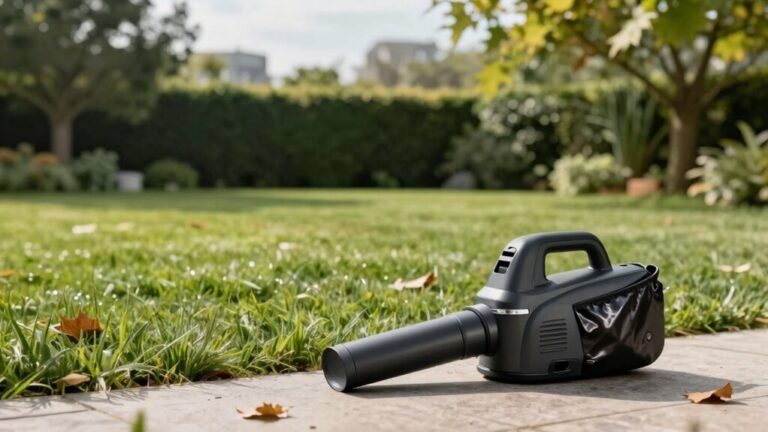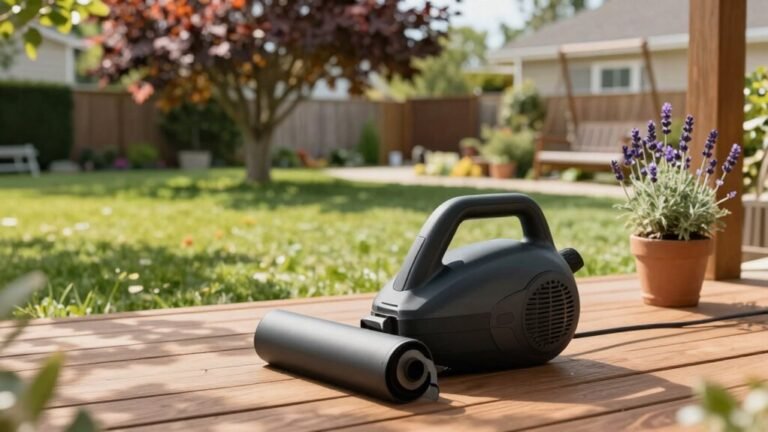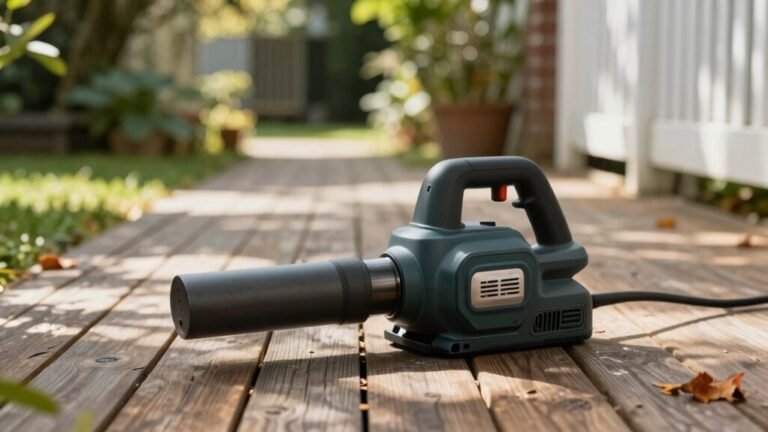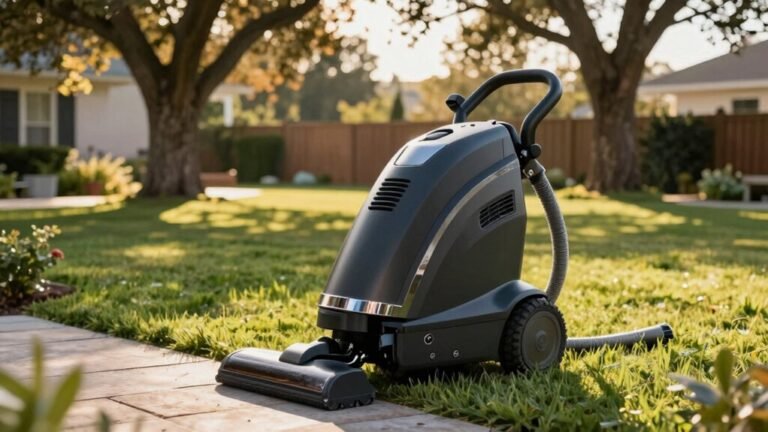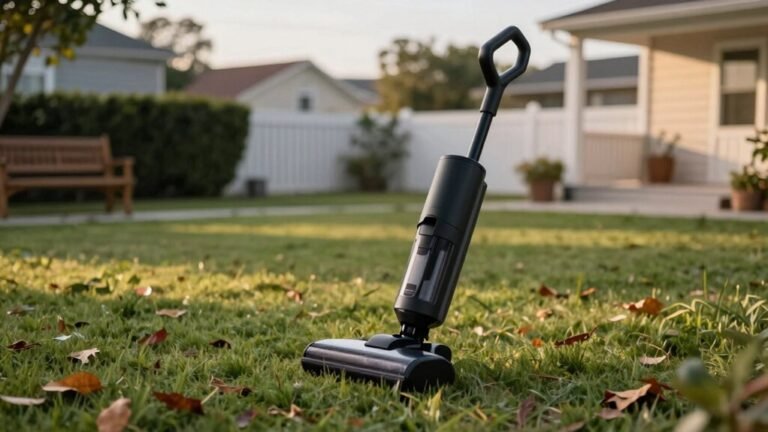
You’ll find that a leaf vacuum with a high‑speed impeller and chopping blade actually pulls, shreds, and mulches debris faster and cleaner than a blower, especially in tight beds, gutters, or workshop corners. The good news is the suction (400‑700 CFM) and air velocity (90 MPH+) can handle dry leaves effortlessly, while adjustable suction lets you tackle wet clumps without choking the bag. Real‑world mulch‑reduction ratios sit around 8:1‑9:1, not the advertised 12:1, but you still get fine mulch for soil health. Battery units give about an hour of run time for medium yards; corded models run forever and avoid battery loss. Choose a bag size and material that matches your volume—3 cu ft reusable bags or 30‑gallon wet‑strength paper work well and keep messes down. If you keep going, you’ll uncover which metrics, tasks, and models suit your yard best.
How Do Leaf Vacuums Suction and Mulch Leaves?
When you fire up a leaf vacuum, the first thing it does is create a strong pull of air that drags leaves, twigs, and even acorns straight into the hose. The motor’s power draw powers a high‑speed impeller that spins like a tiny turbine, generating suction that sucks debris through the nozzle. As the air rushes past the impeller, a chopping blade shreds the material into fine mulch, so the volume drops dramatically before it reaches the collection bag. Because the impeller does most of the work, you get decent noise reduction compared with a blower, and the adjustable suction settings let you dial back the power draw when you’re working over delicate mulch beds. This combo of suction and mulching makes cleanup quicker and leaves less mess behind. The unit’s metal fan version offers higher durability for frequent use. Adding a customizable hose can extend reach for larger gardens. Higher CFM values indicate stronger airflow, which improves the vacuum’s ability to pull in larger debris and maintain consistent suction. Choosing the right tool often depends on the yard size and the type of debris you need to handle.
When Do Vacuums Outperform Blowers?
If you’ve got a tight flower bed, a narrow patio, or a cluttered fence line, a leaf vacuum can actually beat a blower hands‑down. You’ll find budget efficiency shines when you need precise collection without scattering debris, saving you time and money on rakes. Under budget constraints, the vacuum’s bagging means fewer trips to the compost pile, which cuts labor costs. Noise safety is a big plus; electric vacuums run quieter than gas blowers, keeping the neighborhood happy. Battery longevity matters too—many models give you a solid hour on a single charge, enough for moderate leaf volumes. So for dry, tidy spaces, wet‑leaf handling, or any area where sound and cost matter, the vacuum outperforms the blower. Higher horsepower in gas blowers can handle larger properties and heavier debris, but the trade‑off is increased noise and emissions. Selecting the right tool also depends on the terrain type you need to clear. For long, continuous jobs on larger lawns, a backpack blower can dramatically reduce user fatigue.

This 250 mph corded leaf blower blows through leaves and debris with ease. High Impact Metal Fan prevents clogging when mulching, while grinding up to 16 bags of mulch down to one

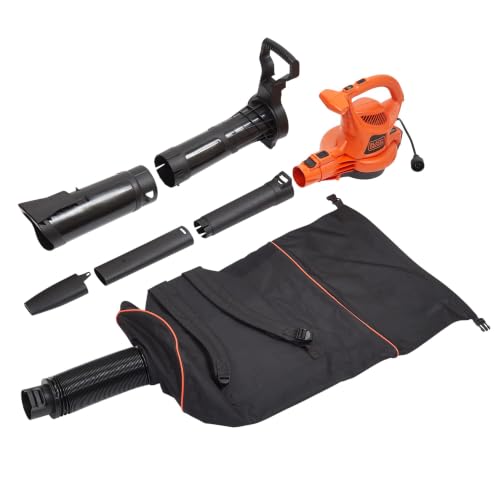
3-IN-1 TRIVAC YARD CLEANUP: Blow, vacuum, and mulch leaves with this 12 Amp tool for lawn care, patios, driveways, decks, and walkways.

3-IN-1 TRIVAC YARD CLEANUP: Blow, vacuum, and mulch leaves with this 12 Amp tool for lawn care, patios, driveways, decks, and walkways.
Leaf Vacuum Mulch‑Reduction Claims: 12:1 vs. Real Ratio
You’ve just seen how a leaf vacuum can beat a blower in tight spots, and now it’s time to look at the mulch‑reduction numbers they brag about. The spec sheet may shout 12:1 ratio, but the real world ratio often falls short. A 12‑stage impeller can crush 12 bags into one, yet leaf moisture and shape chew away at that claim. In practice you’ll see maybe 8:1 or 9:1, especially with damp foliage. The good news is that even a lower real ratio still slashes trips to the compost bin compared with a bag‑only system. What most people don’t realize is that the advertised ratio is a best‑case scenario; your actual experience hinges on leaf type, bag size, and how consistently you keep the impeller clean. The device’s metal mulching propeller provides durable performance even when chopping sticks and small debris. Understanding the hydraulic ram pump principle can inspire similar low‑energy designs for garden tools. Battery capacity also influences how long the mower can maintain peak shredding performance before needing a recharge. Proper fluid level is essential for safe and efficient operation.
How Do Leaf Type and Moisture Affect Suction?
Ever wonder why your leaf vacuum seems to gulp down dry leaves like a champ but stalls when the yard is soggy? That’s because leaf type and moisture level drive suction efficiency. Dry leaves stay loose, flow smoothly, and let the motor maintain peak airflow. Wet leaves clump, add weight, and choke the intake, so the moisture impact forces you to throttle back and move slower. Aim for small piles of dry foliage; you’ll see higher CFM, less clogging, and quicker mulching. If you must tackle damp leaves, expect reduced suction, more frequent bag emptying, and extra cleaning. Remember, the dryer the leaf, the easier your vacuum works, and the less strain you put on the engine. Leaf blower can dramatically cut the time needed for yard cleanup, especially when handling large volumes of dry debris. Using the correct fluid in your steering system helps prevent seal damage and ensures hydraulic pressure remains stable. Modern electric motor designs have further boosted efficiency while reducing emissions.
What Bag Size and Material Prevent Messy Emptying?
When you’re pulling the bag off a leaf vacuum, the last thing you want is a cascade of leaves and mulch spilling everywhere, and the key to avoiding that mess is picking the right size and material. Choose a bag that matches your volume needs—3 cubic feet reusable bags hold up to 50 lb, while 30‑gallon wet‑strength paper works for moist debris. Bag material matters: polyester mesh offers mesh durability and easy emptying, whereas compostable options keep your yard green. For airflow control, homemade zip‑tie bags let you fine‑tune hole spacing, preventing sudden deflation. The good news is you can swap between sturdy mesh and eco‑friendly paper without sacrificing performance, so you stay clean and efficient. The Pilot XTP model’s adjustable suction setting helps prevent bag over‑filling by allowing you to reduce suction on dense piles. Using a splitting wedge can also make it easier to separate tightly packed debris before bagging. Understanding the chipper’s drum speed can further optimize how debris is processed before it reaches the bag.
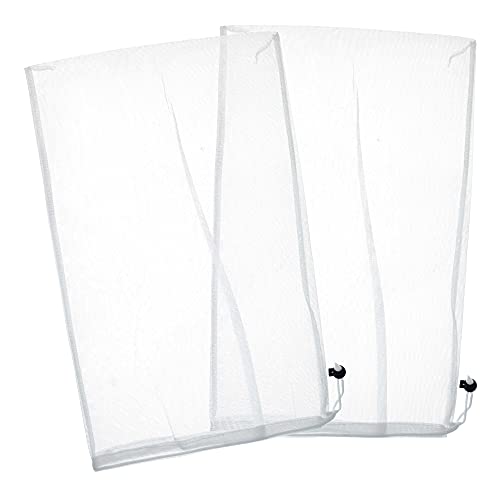
Pack of 2 premium fine mesh filter replacement bags for leaf vacuum pool cleaners. Large 12" x 20" replacement bag with pull and lock cords to keep them securely fastened to your leaf vacuum.

Pack of 2 large premium fine mesh filter replacement bags for leaf vacuum pool cleaners. Large 16" x 20" replacement bag with pull and lock cords to keep them securely fastened to your leaf vacuum.

🌊 4PCS Fine Mesh Pool Vacuum Bags (24x18in / 60x45cm) Each pack includes 4 high-capacity nylon pool vacuum bag replacements with drawstrings. Compatible with most spa and pool leaf vacuum cleaners—great for keeping your pool crystal clear.
Battery or Corded: Which Power Source Fits My Yard?
If you’re trying to decide whether a battery‑powered or corded leaf blower is right for your yard, the short answer is: it depends on how you use it and what your space looks like. Corded vs cordless power is the first hurdle. Corded units give you constant power, so you won’t see a drop when you’re clearing wet leaves or thick piles. Battery models lose a bit of punch as the pack drains, which can be frustrating on longer jobs. The good news is a cordless blower offers full mobility—no cord length limits, lighter weight, and quieter operation. Power efficiency leans toward corded when you have an outlet nearby; you avoid the extra energy loss of charging batteries. What most people don’t realize is that a corded blower can run indefinitely, while a battery one typically gives you 20‑45 minutes per charge, meaning you might need spares for larger yards. Choose the one that matches your workflow and yard layout. The Ryobi model provides higher power output for wet leaves. Husqvarna’s rugged design makes it a strong contender for professional, heavy‑duty tasks. Electric blowers generate less noise because they lack a noisy internal combustion engine.

7 Amp motor provides a powerful and efficient blowing performance

420 CFM Powerful Airflow: Delivers up to 420 CFM of airflow for fast removal of dry leaves, grass clippings, dust, and light debris. Ideal for patios, driveways, garages, sidewalks, decks, and everyday residential yard cleanup

【Dual-Battery System & Fast Charger】It comes with two 20V 2.0Ah batteries that can be used interchangeably, so you can keep working while one charges. At low speed, runtime extends up to 60 minutes per full charge (actual runtime varies by speed and conditions). The included fast charger powers up each battery efficiently.
Which Metrics Should I Compare (CFM, Mulch Power, Bag Capacity)?
You’ll quickly find out that the three numbers you see on a leaf‑vacuum spec sheet—CFM, MPH, and bag capacity—are each telling you a different story about how the tool will work in your yard. First, look at CFM: a higher rating (400‑700 CFM for most yards) means more volume moves faster, cutting your work time and improving price efficiency. Next, check MPH; 90 MPH+ shows the air velocity needed to dislodge wet, compacted leaves, and it also hints at noise level—higher speeds often crank up the roar. Finally, compare bag capacity and mulch power: a larger bag reduces emptying trips, while strong mulching lets you turn debris into compost without extra bags. Balance these metrics for a quieter, cost‑effective machine that fits your tasks. Higher CFM provides versatility for wide‑area tasks. Consider the engineer‑tested durability of each brand to ensure long‑term performance. Additionally, follow the step‑by‑step ignition checklist to avoid common starting issues.

VERSATILE 3-IN-1 BLOWER, VACUUM & MULCHER - Quickly switches between blowing, vacuuming, and mulching to handle a wide range of yard cleanup tasks, making it easy to clear leaves and debris from lawns, patios, driveways, decks, and garden areas. compatible with Greenworks 24V Battery Platform and powers over 200+ Greenworks 24V tools.

3-in-1 Versatility: Effortlessly switch between blowing, vacuuming, and mulching without tools. Featuring 4 adjustable speeds, this leaf blower handles everything from light dust to heavy yard debris with maximum efficiency and minimal effort.
This backpack leaf blower comes with an Easy-to-Wear Backpack with up to 2x the bag capacity
What Tasks Are Leaf Vacuums Best Suited For? Gardens, Gutters, Workshops, Compost
Balancing CFM, MPH, and bag capacity gets you a machine that moves air fast and holds a lot, but the real question is where you’ll actually put that power to work. In your garden, a leaf vacuum with mulching chops leaves into fine garden mulch, speeding nutrient cycling and weed suppression while freeing space for compost. For gutter cleaning, the attachment lets you suck out debris from ground level, keeping roofs safe and preventing water damage. In a workshop, the same tool reaches under benches and into tight corners, pulling sawdust and shavings that you can later compost as brown matter. When you’re feeding a compost bin, the mulching feature slashes volume, balances carbon‑nitrogen ratios, and keeps the pile aerated, so decomposition happens faster. Using proper technique ensures maximum efficiency and safety while minimizing noise and environmental impact. Ignition switch is a critical safety feature that must be engaged before pulling the starter cord.
Which Leaf Vacuum Should I Buy? Quick Decision Guide
Ever wonder which leaf vacuum will actually make your yard work easier instead of just adding another noisy gadget to the shed? If you’re weighing price, safety, and seasonal cleaning needs, start with the budget‑friendly Makita DUB186Z at £84.99 bare – it’s light, 80‑minute runtime, and easy on your back. For a mid‑range balance, the Worx WG543E kit at £149.99 gives you a 5‑star rating, 23‑minute run, and a solid 5‑year warranty, perfect for spring clean‑ups. If power matters more than weight, the Stihl gas‑powered shredder vac handles tough debris and long sessions, but expect higher price and louder operation. Remember, cordless models keep you safe from fumes and cords, while gas units excel for larger yards. Choose the one that fits your budget, safety concerns, and how often you’ll be tackling seasonal cleaning. The SH86 CES delivers impressive air volume and velocity, making quick work of tough debris.

3-in-1 Cordless Yard Tool:This cordless leaf blower vacuum combines blowing, vacuuming, and mulching functions in one convenient tool. Quickly clear leaves, grass clippings, and garden debris while switching between modes for efficient yard maintenance.
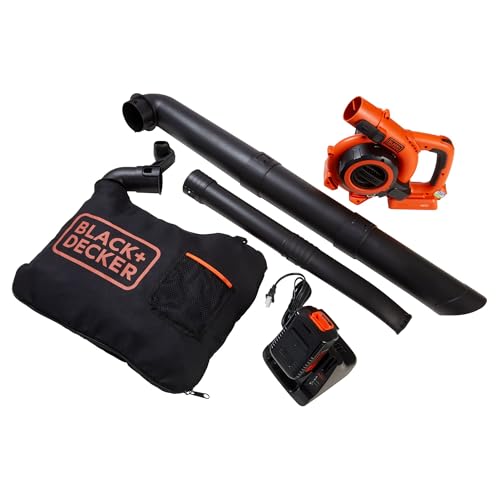
120 mph sweeper vac easily clears debris from hard surfaces like driveways, decks, and garages.

3-In-1 Design: Quickly converts from a high-velocity leaf blower to a leaf vacuum cordless with bag and a compact leaf mulcher —no tools needed.