Hydraulic fluid and transmission fluid look similar but aren’t interchangeable in your wood chipper or splitter. Hydraulic oil’s designed for high-pressure systems—it’s got anti-foaming additives and thicker viscosity to handle 2,500–3,000 PSI safely. Transmission fluid (ATF) is cheaper upfront but thins out faster and lacks the protection your seals need. Use the wrong one, and you’re looking at pump failure, voided warranties, and repair bills hitting thousands. Stick with what your manual specifies—it’s the difference between equipment that lasts decades and one that burns out in seasons.
Which Fluid Is Right for Your Wood‑Processing Equipment?
If you’ve ever stood next to a wood‑chipper or a log splitter and wondered whether to pour in transmission fluid or hydraulic oil, you’re not alone. The good news is you can decide by checking equipment compatibility and the manufacturer’s spec sheet. Transmission fluid works great in chippers that use Dexron® III, because its detergents and friction modifiers keep gears shifting smooth and protect seals. Hydraulic oil, on the other hand, is built for high‑pressure pumps and anti‑foaming additives, so it’s the safer bet for splitters that run under heavy loads. What most people don’t realize is that using the wrong fluid can degrade hoses, cause leaks, and cut equipment lifespan in half. Stick to the recommended fluid, and you’ll keep your wood‑processing gear running longer and quieter. Monitoring fluid condition for discoloration can alert you to early degradation. Selecting the proper fluid also helps maintain viscosity stability across temperature fluctuations. For many residential chippers, the optimal viscosity range is 32–46 cSt at 40 °C.
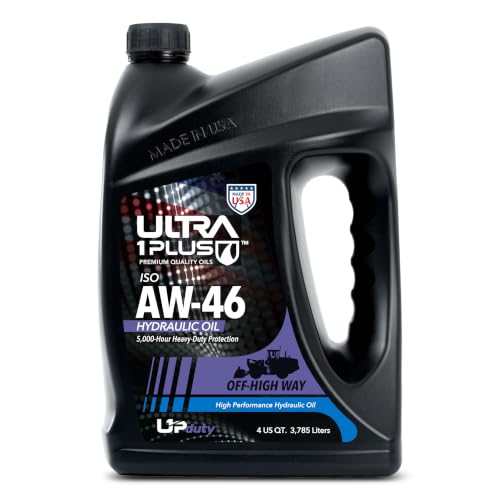
SUPERIOR ANTI-WEAR PROTECTION: Advanced iso 46 hydraulic oil formula with AW additives shields vane, piston, and gear pumps from friction. Extends life and reduces downtime in industrial equipment.

Wide Compatibility with Multiple Models: This hydraulic oil filter is designed to work with a variety of log splitter models including MTD Troy-Bilt LS27, and fits part numbers 723P0405, 723-0405, 120-818, and 6515541. It is also compatible with Bobcat 700, 720, 721 and many others.

Reduces the operating temperature of hydraulic systems
Viscosity & Temperature Behavior of Transmission vs. Hydraulic Fluids
Choosing the right fluid isn’t just about matching a label on a bottle; it’s also about how that fluid behaves when the temperature shifts while you’re chopping wood or splitting logs. You’ll see viscosity trends diverge: hydraulic oil thins noticeably as it warms, but a high‑VI synthetic stays within a 10‑15 % window, keeping power smooth. Transmission fluid, especially multi‑grade types, resists temperature changes better; polymer VI improvers let it stay thicker when cold and only thin slowly under heat. That temperature resilience means your chipper won’t seize in a frosty morning, and your splitter won’t lose torque on a hot summer day. Remember, hydraulic oils prioritize stability, while transmission fluids balance cold‑start flow with hot‑run durability. Amsoil’s advanced synthetic formulation provides enhanced viscosity stability that further reduces wear and extends service intervals. Proper fluid selection also ensures adequate anti‑wear protection for the pump and gears.
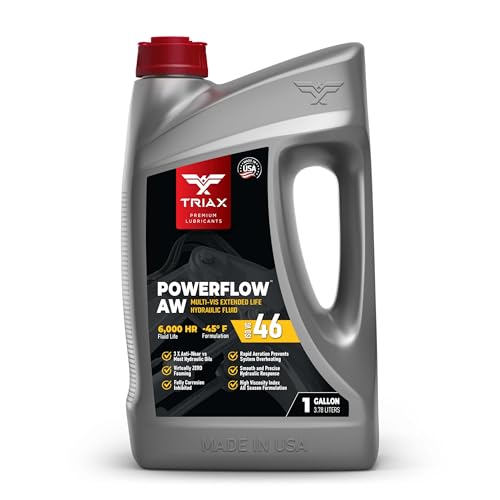
Exceptionally Long Life: Designed for 6,000-hour severe service with high oxidation resistance, providing up to 3 times the lifespan of standard fluids, minimizing the need for frequent replacements

OEM John Deere Part Number TY22035 Replaces Prior MPN TY22038

Additive Packages for Chippers vs. Splitters
The additive package in the fluid you pour into a chipper is a lot different from the one you’d pick for a splitter, and that difference matters more than the brand name on the bottle. Chippers demand heavy-duty anti-wear additives and corrosion inhibitors because their hydraulic pumps operate at brutal pressures constantly. You’re protecting pistons and vanes from grinding themselves to death. Splitters, meanwhile, often share sumps between hydraulic and transmission systems, so they benefit from ATF’s friction modifiers and multi-purpose additives. These help with wet clutches and brake sensitivity in cold weather. Pure hydraulic oil works fine for basic splitter use, but transmission fluid handles shared-sump complexity better. The good news: premium additives cost more upfront but save you rebuilds down the line. Additive quality directly influences how well your equipment protects against contaminants, moisture, and corrosion in demanding seasonal conditions. Selecting a fluid with the appropriate viscosity index ensures consistent performance across the wide temperature swings typical in outdoor wood processing. A well‑designed hydraulic ram pump can also provide the steady pressure needed to keep these fluids circulating efficiently. Understanding pressure flow relationships helps engineers match pump capacity to system demand for reliable operation.

Anti-Wear Hydraulic Protection: Formulated with advanced anti-wear additives and FMX Technology to help reduce friction, minimize component wear, and extend equipment life.

ENHANCED ANTI-WEAR TECHNOLOGY: Formulated to reduce metal-to-metal contact and extend the life of hydraulic pumps, valves, and cylinders—ideal for high-use machinery in demanding environments.

Anti-Wear AW32 Hydraulic Oil for Log & Wood Splitters, Gear & Compressor Oil- Rust & Corrosion Protection
How Seal and Hose Materials Influence Fluid Choice
Your fluid’s additives matter plenty, but here’s what most people don’t realize: the rubber and materials inside your chipper or splitter matter just as much. Material selection directly impacts how long your equipment lasts and whether you’ll face costly leaks down the road.
Here’s the thing: nitrile seals work great with standard hydraulic oils, but they’ll swell and crack if you accidentally use water-based fluids. Your hose compatibility depends entirely on what seal materials you’ve got installed. Viton handles aggressive chemicals but hates water, while EPDM excels with water-based systems. The good news is most wood equipment comes stock with nitrile—it’s the reliable workhorse for typical hydraulic applications. When you’re choosing fluid, match it to your existing seals first. Always verify the fluid level before each use to prevent overheating and mechanical failure. Improper exposure to hydraulic fluid can cause skin irritation and respiratory issues if inhaled. Polyurethane seals provide excellent wear resistance in abrasive environments.
Performance, Cost, and Risk of Using ATF in Hydraulic Systems
While ATF might seem like a convenient shortcut—and yeah, it’s cheaper at the pump—using it in your wood chipper or splitter is a gamble that usually doesn’t pay off. Sure, you’ll save 10-15% upfront, but you’re looking at 2-3x higher maintenance costs down the road. ATF’s lower viscosity and wrong additives cause pump cavitation and seal degradation within 100-500 hours. Here’s the thing: using ATF voids your manufacturer’s warranty, leaving you personally responsible for repair bills hitting $1,000-5,000 per incident. You’ll also face overheating issues and 30% higher failure rates in high-pressure systems. Hydraulic oil’s complex additive blend prevents the cavitation and heat-related failures that plague ATF-powered equipment. Stick with ISO 46-68 hydraulic fluid. It costs more initially but delivers consistent performance and protects your warranty coverage long-term. Proper storage of hydraulic fluid reduces fire risk and extends equipment lifespan. Corrosive hydraulic fluid can damage metal components if not properly maintained. Using the wrong fluid can lead to seal failure and costly downtime.

SUPERIOR ANTI-WEAR PROTECTION: Advanced iso 46 hydraulic oil formula with AW additives shields vane, piston, and gear pumps from friction. Extends life and reduces downtime in industrial equipment.

Anti-Wear Protection – Premium anti-wear additives help reduce metal-to-metal contact, protecting hydraulic systems during everyday operation.
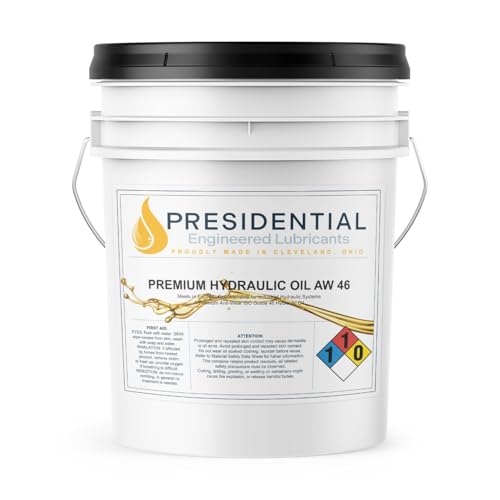
FORMULATION: This AW46 hydraulic oil contains zinc and formulated with Group II base stock. Meets the requirements of both high and low pressure industrial and mobile hydraulic systems.
Quick Guide: Choose the Right Fluid for Your Splitter or Chipper
Now that you know why cutting corners on fluid choice costs you big money, let’s make sure you’re actually grabbing the right stuff when you’re at the store or ordering online.
Check your owner’s manual first—it’ll specify the exact fluid type and viscosity your machine needs. Look for hydraulic fluid specifically rated for your system’s pressure compatibility; wood splitters typically run 2,500–3,000 PSI, so don’t guess.
Verify filtration standards match your equipment’s requirements. Higher-quality fluids protect against contamination better and last longer.
Consider environmental impact too. Some biodegradable hydraulic options exist if you’re working near water or sensitive areas.
When shopping, match the fluid density and specifications exactly. Buying the right fluid upfront saves you money, headaches, and equipment damage down the road.
Operating temperatures can exceed 150 °F in heavy duty use, which may degrade fluid performance if not properly rated.
Because hydraulic fluid is essentially incompressible under pressure it transmits power efficiently throughout the system.
A trained operator can often detect a sweet metallic odor that signals fluid degradation before a failure occurs.