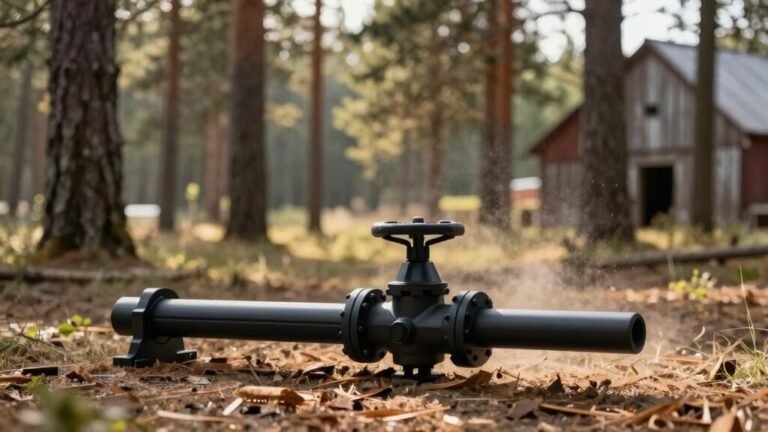
Hydraulic fluid is the lifeblood that lets your wood chipper’s pump and cylinders build the pressure needed to shred branches, and choosing the right grade keeps the engine cool, protects seals, and prevents costly breakdowns. It’s a specially formulated oil—usually a multigrade blend with a viscosity between 16‑40 cSt—that transfers heat, lubricates moving parts, and forms a protective film on bearings. The good news is you can pick a mineral‑based oil for budget use or a synthetic for longer drain intervals and better temperature stability. The right viscosity matches your ambient temperature—ISO 32 for cold days, ISO 46/68 when it’s warm—so the chipper runs smoothly without over‑working the pump. If you keep the fluid clean, at the proper level, and replace it annually, you’ll avoid most failures and keep your chipper humming. Keep reading to uncover how to pick the perfect grade, replace it safely, and spot the top fluid‑related issues before they bite.
Why You Must Choose the Right Hydraulic Fluid for Wood Chippers
If you ignore the fluid spec and just pour in whatever oil you have on hand, you’re practically inviting trouble. The right hydraulic fluid protects pistons, gears, and seals from wear, keeping your wood chipper humming smoothly. Manufacturer‑approved oils contain anti‑wear additives that meet regulatory compliance, so you stay within warranty limits and avoid costly repairs. Using the wrong grade can raise internal temperatures, leading to seal failure and premature component wear. The good news is that each season has a matching viscosity—ISO 32 for cold mornings, ISO 46 for mild weather—so you maintain efficiency and reduce environmental impact. What most people don’t realize is that the fluid’s formulation also dictates how cleanly it disposes of heat and contaminants, protecting both your machine and the surrounding ecosystem. For many residential chippers, a viscosity range of 32–46 cSt is typically recommended. Selecting the proper fluid also ensures optimal temperature stability across varying operating conditions. Choosing a fluid with the viscosity‑resistant capability is essential when operating in hot climates or under heavy loads.

Anti-Wear Hydraulic Protection: Formulated with advanced anti-wear additives and FMX Technology to help reduce friction, minimize component wear, and extend equipment life.

PREMIUM HYDRAULIC OIL: AW 32 grade hydraulic fluid designed for high-performance hydraulic systems and industrial equipment

Package Dimensions: 16.0 H x 13.0 L x 13.0 W (inches)
How Hydraulic Fluid for Wood Chippers Works in Pump & Cylinders
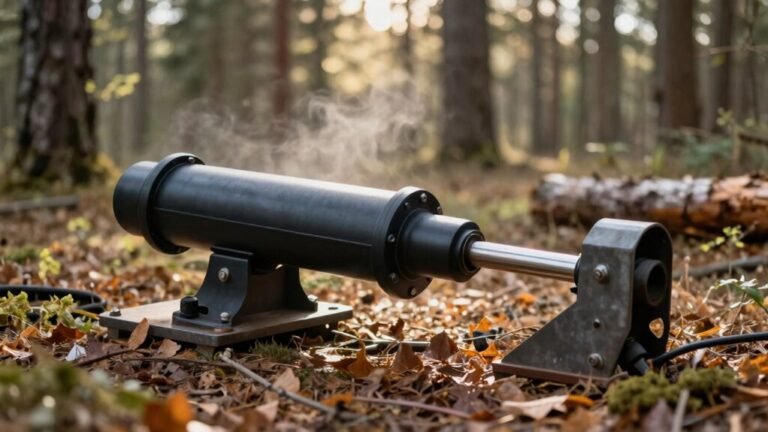
When you fire up a wood chipper, the real magic happens inside the pump and cylinders, where hydraulic fluid turns a crank’s torque into the crushing power you feel on the wood. The pump cylinder builds fluid pressure, then the valve timing directs that pressure to the cylinder rod, creating the push that shreds logs. As fluid rushes through, a thin lubrication film coats metal surfaces, thanks to viscosity control and anti‑wear chemistry, keeping wear at bay. If pressure spikes, the pressure relief valve dumps excess oil back to the reservoir, where the heat sink and oil cooling dissipate heat. Proper design prevents system cavitation, which could otherwise erode components and reduce efficiency. The fluid also acts as a heat transfer medium, carrying thermal energy away from the pump and valves to the reservoir for cooling. Selecting the correct pump type ensures optimal flow and pressure for the specific wood‑chipping application.
Key Properties of Wood‑Chipper Hydraulic Fluid: Viscosity, Temperature Range, Anti‑Wear Additives
Because the hydraulic system is the heart of your wood‑chipper, the fluid’s key properties—viscosity, temperature range, and anti‑wear additives—are what keep everything moving smoothly and protect the pricey components. You’ll want a viscosity between 16 cSt (80 SUS) and 40 cSt (180 SUS) for optimal flow and sealing; multigrade blends keep that thickness stable from cold mornings to hot afternoons, thanks to long‑chain polymers that uncoil as temperature rises. The good news is a good Eco‑rating fluid also offers strong oxidation resistance, extending oil life. Anti‑wear additives like ZnDTP form a durable protective film‑formation on bearing surfaces, reducing metal‑to‑metal contact and wear. What most people don’t realize is that the right temperature window and film‑formation together prevent internal leakage and keep your chipper humming efficiently. Regular fluid testing can detect early signs of discoloration before performance drops. Selecting the proper fluid also ensures compatibility with the equipment’s seals and hoses, avoiding material degradation that can lead to costly repairs. Proper storage in a cool, dry location reduces the risk of hydraulic fluid fire ignition.

Meets and exceeds all OEM specifications for power shift transmissions

Anti-Wear AW32 Hydraulic Oil for Log & Wood Splitters, Gear & Compressor Oil- Rust & Corrosion Protection

MEETS OR EXCEEDS ALL OEM SPECS: Compatible with John Deere J20C, Kubota UDT, Kubota UDT2, Kubota Super UDT2, Ambra Multi-G, CASE MAT 3525 UTTO, Akcela HY-TRAN Ultra, John Deere Hygard, CAT TO-2, Komatsu, Massey Ferguson, and all other OEM tractor hydraulic and transmission fluids; Variable viscosity SAE 80 (ISO 32/46)
Mineral‑Based vs. Synthetic Hydraulic Oils – Which Is Best for Your Chipper?
Choosing between mineral‑based and synthetic hydraulic oil isn’t just a matter of price tag; it’s about matching the fluid’s chemistry to the way your wood‑chipper works day in and day out. Mineral oils are cheap and work fine in moderate environments, but their particle mix can cause slight variations in environment pressure as temperatures shift. Synthetics, built from uniform molecules, keep pressure steady, resist oxidation, and offer better wear protection—great for high‑performance or food‑grade chipper use. The good news is synthetics also boost sustainability by extending drain intervals and cutting waste. Compatibility matters: check your equipment’s seals and manufacturer specs. If you run a budget‑friendly setup, mineral oil may be fine; for extreme conditions or longer life, synthetic is the smarter choice. Synthetic oils provide a higher viscosity index which ensures consistent lubrication across temperature ranges. Moreover, Amsoil’s synthetic formulation delivers enhanced temperature resistance that can further protect your chipper in demanding environments. Proper selection also helps prevent hydraulic fluid corrosion of metal components. Understanding system pressure dynamics is essential for optimizing performance and avoiding premature wear.
Choosing the Correct Viscosity Grade for Your Chipper’s Operating Temperature
A few simple rules can keep your wood‑chipper humming smoothly no matter the weather. First, match the fluid’s viscosity to the ambient temperature you expect. If you work in cold weather—say below 5 °C—pick an ISO 32 for ambient selection; its low kinematic viscosity stays fluid at startup, preventing sluggish pumps. For milder or hot climates, above 10 °C, an ISO 46 or even ISO 68 works better, giving a thicker film that protects high‑pressure components when the fluid heats toward 140 °F. Remember the optimal operating range is roughly 16–40 cSt, so avoid extremes. The good news is most chippers run fine with a 16–100 cSt fluid, and a high viscosity index oil will keep your performance steady across temperature swings. Monitor the system’s temperature rise during prolonged use to ensure it stays within safe limits.
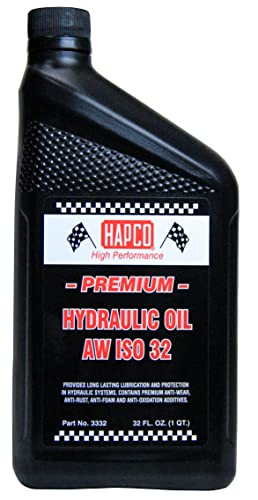
Anti-Wear Protection – Premium anti-wear additives help reduce metal-to-metal contact, protecting hydraulic systems during everyday operation.

Exceptionally Long Life: Designed for 6,000-hour severe service with high oxidation resistance, providing up to 3 times the lifespan of standard fluids, minimizing the need for frequent replacements

How to Check Wood‑Chipper Hydraulic Fluid Level & Spot Contamination
Before you even think about turning the wood‑chipper on, make sure the hydraulic fluid is at the right level and clean—otherwise you’ll hear groaning pumps and risk costly damage. First, park the machine on level ground, let it cool, and collapse all cylinders. Clean the dipstick or sight‑glass area, then do a quick fluid inspection: the glass should be at the bottom, or the dipstick should sit between the low and full marks, roughly a half‑inch to an inch from the tank top. For contamination detection, look for milky water, dark burnt color, foam, or metal particles. Also check fittings for dirt and hoses for cracks. Note any odd smell or particles before you run the chipper again. Measure the distance from the tank top to the fluid surface to verify it falls within the acceptable range. Follow the manufacturer’s recommended maintenance schedule to ensure optimal performance. Remember to inspect the reservoir before each use to catch low fluid levels early. The fluid should have a sweet petroleum aroma with a faint metallic undertone, indicating it is still within normal parameters.
Safe Steps to Replace or Top‑Up Wood‑Chipper Hydraulic Fluid
When you’re ready to give your wood‑chipper a fresh coat of hydraulic fluid, the first thing you need to do is make sure the machine is completely shut down and depressurized—otherwise you’ll be fighting pressure that can spray fluid everywhere and make the whole process a mess. First, consult the manual, then place the chipper on level ground, wear gloves and eye protection, and disconnect power. Drain the old fluid into a 4‑liter container, clean the bolt threads, and handle the waste with care; proper fluid disposal protects environment safety. Use sealed containers to prevent leaks during transport. Next, tip the machine onto the motor end, use a clean funnel, and pour the specified oil slowly, avoiding bubbles. Fill to the sight‑glass line, re‑insert the dipstick, tighten the drain bolt, and check for leaks before running a short test. Replace the hydraulic oil every 12 months to maintain optimal performance. Bleed the system after refilling to remove any trapped air and ensure smooth operation. The high‑pressure hoses must be inspected for wear because hose integrity is essential for safe power transmission.
Top 5 Fluid‑Related Failures in Wood Chippers and Proven Fixes
Ever wondered why your wood‑chipper suddenly starts acting up, even though you’ve been keeping up with regular maintenance? Let’s break down the top five fluid‑related failures and how you can fix them. First, contaminated fluid shows up in 83 % of breakdowns—run bi‑annual environment efficiency testing, install 5‑micron breather caps, and consider fluid recycling to keep particles out. Immediate flushing of any skin contact with hydraulic fluid is essential to prevent chemical burns. Second, leaks at hose fittings and cylinder seals are common; tighten fittings, replace O‑rings, and use cardboard to spot drips safely. Third, improper pressure settings cause spikes up to 3,000 PSI; reset the compensator to 1,500 PSI and the relief valve to 1,750 PSI. Fourth, low fluid levels flood the pump—keep the reservoir 3/4 to 7/8 full and clean out sludge. Finally, feed‑system failures stem from air, debris, or bad valves; bleed lines, replace worn pumps, and clear the feed wheel door. These fixes keep your chipper humming and extend its life. Centrifugal dehydration can also be used to remove moisture from hydraulic fluid before it re‑enters the system. Monitoring hydraulic fluid temperature helps prevent overheating and ensures consistent performance.
Maintenance Schedule: Flush, Filter, and Re‑Test Wood‑Chipper Fluid
After you’ve tackled the common fluid‑related hiccups, the next step is to get your wood‑chipper’s hydraulic system back to pristine condition with a proper flush, filter, and re‑test routine. First, run a full drain and flush using a compatible solvent, then collect the old oil for safe fluid disposal—don’t pour it on the ground. Next, perform a thorough fluid inspection: look for cloudiness, metal particles, or water droplets. Replace the tank filter with a 10‑micron unit and run the fluid through it before refilling. After the tank is topped off, run the machine at low speed, watch pressure gauges, and confirm smooth operation. Finally, verify that the fluid level stays steady and that the system passes your post‑service test. Lockout‑tagout must be completed before flushing the hydraulic system.
How to Source Certified Wood‑Chipper Hydraulic Fluid (and Avoid Counterfeits)
If you want your wood‑chipper to run smoothly and avoid costly downtime, the first thing you need to do is make sure you’re buying the right certified hydraulic fluid and steering clear of counterfeits. Start with certified suppliers like Midlands Lubricants, Pacific Hydraulics, or Santie Oil Company, which stock Dexron III ATF, HVI, and biodegradable blends that meet factory‑mutual specs. Verify the label shows the proper standard—Dexron III, VI, or Mercon—and that the product is approved for forestry equipment. Avoid unbranded, suspiciously cheap bottles; they often lack the certification marks and performance ratings you need. Call Santie Oil at 1‑800‑748‑7788 for bulk orders, and always ask for proof of authenticity before you sign off. This approach guarantees counterfeit avoidance and keeps your chipper humming.

Reduces the operating temperature of hydraulic systems
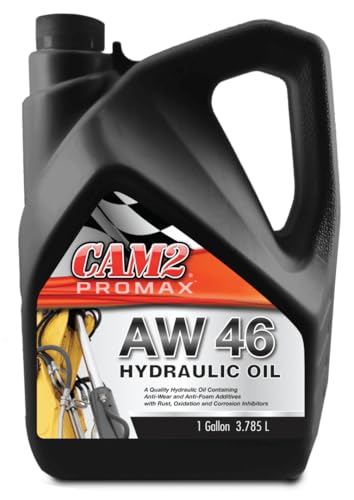
PREMIUM QUALITY: AW 46 hydraulic oil formulated with anti-wear and anti-foam additives for superior performance and equipment protection
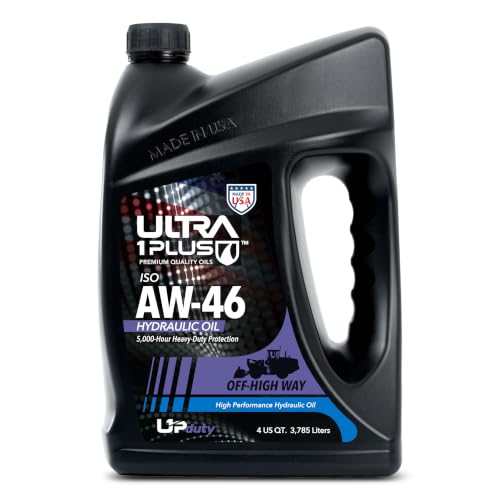
SUPERIOR ANTI-WEAR PROTECTION: Advanced iso 46 hydraulic oil formula with AW additives shields vane, piston, and gear pumps from friction. Extends life and reduces downtime in industrial equipment.