Fresh hydraulic fluid should smell like light engine oil with a subtle mineral undertone—that’s your baseline. But here’s the thing: the moment it smells burnt, rotten like eggs, fishy, or even like a skunk, you’ve got trouble brewing inside your wood chipper’s system. Those odor changes are your early warning system before expensive damage happens. The good news? Routine sniff tests catch problems fast and cheap before they turn into pump rebuilds.
Normal Hydraulic Fluid Odor: What Fresh Oil Should Smell Like
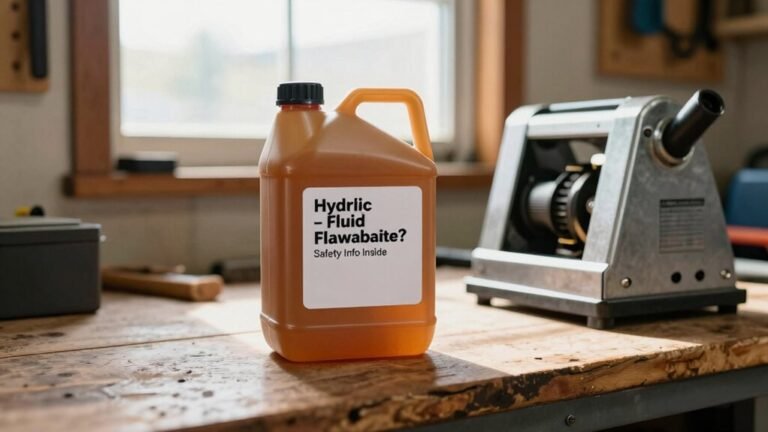
Since you’re working with hydraulic equipment—whether you’re chipping wood, splitting logs, or maintaining a leaf blower—you’ve probably noticed that hydraulic fluid has a smell, and you might wonder if that’s normal or a sign something’s wrong. The good news is that fresh hydraulic oil should have a light base oil odor—nothing alarming. You’ll detect a subtle light additive scent in new fluid, but no irritation or foreign smells. Think of it as slightly mineral-like and unremarkable. The baseline for healthy hydraulic fluid is a light, clean aroma that doesn’t make you wince. Color-wise, you’re looking at clear and transparent liquid ranging from light yellow to amber. That visual clarity combined with that mild scent tells you your fluid’s in good shape. Over time, moisture ingress can cause the fluid to develop a sour or burnt odor, indicating degradation. Proper storage in a sealed container helps prevent contamination and maintains fluid integrity. Using the correct high‑pressure formulation ensures the fluid can withstand the stresses of wood‑processing equipment.
Burnt or Scorched Smell: A Warning Sign of Thermal Failure
When your hydraulic fluid smells like burnt food or charred material—distinct from that mild, mineral scent of fresh oil—you’re looking at a serious problem that demands immediate attention.
This burnt or scorched odor is your system’s odor warning that thermal failure is happening. Here’s the thing: when your wood chipper’s hydraulic fluid overheats, it breaks down at the molecular level. You’ll notice the smell resembles burnt transmission fluid, which tells you temperatures have spiked dangerously.
What most people don’t realize is that this thermal failure stems from low fluid levels, a malfunctioning cooling system, or air bubbles compressing rapidly inside your lines. The persistent burnt smell won’t disappear after an oil change—it indicates deeper damage.
Don’t ignore this warning. Check your fluid level immediately, inspect for leaks, and flush your system. Your chipper’s pump and bearings depend on it. If the fluid contacts skin, immediately stop the flow and flush the area with plenty of clean water. Regularly monitoring hydraulic fluid pH can help detect early signs of corrosion before they become critical. In cold weather, hydraulic fluid can freeze solid if its temperature drops below its pour point, so keeping the fluid warm is essential.
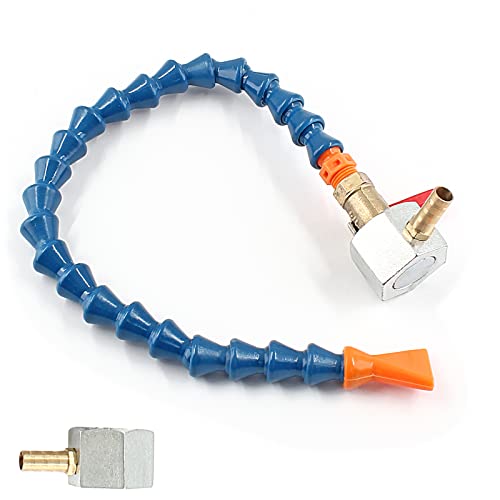
Complete Package Included: Coolant oil hose with flat nozzle and 1/4PT thread adjustable magnetic base for comprehensive cooling system setup

Reduces the operating temperature of hydraulic systems

Rotten Egg Smell: What Oxidation Costs Your System
If your hydraulic fluid smells like rotten eggs or sulfur—that nasty, unmistakable stench that hits you the moment you pop open your wood chipper’s reservoir—you’re dealing with oxidation, and it’s costing your system more than you probably realize. That foul odor signals bacterial contamination, especially in water‑saturated oils, and it means further damage is happening right now.
Here’s the thing: oxidation breaks down your fluid’s base molecules, producing acidic compounds that create serious acidification costs. These acids corrode metal parts, clog filters, and accelerate wear on pumps and valves. Varnish deposits trap abrasives and insulate thermally, preventing proper oil flow. The corrosion risk skyrockets when water’s involved—metal catalysts like iron and copper speed everything up. Don’t ignore that smell. Get your fluid analyzed immediately. Proper storage reduces the risk of hydraulic fluid ignition and should the system safe. Regularly checking for moisture with a water detection test can prevent this oxidation before it starts. Maintaining the correct viscosity range ensures optimal power transmission and protects against premature wear.
Fishy or Sour Smell: Detecting Water Contamination
While that rotten egg smell from oxidation is bad news, a fishy or sour odor coming from your wood chipper’s hydraulic system tells a different—and often more immediate—story: you’ve got water in your fluid, and it’s wreaking havoc on your equipment right now.
Water ingress happens through poor reservoir sealing or low oil levels that allow moisture to sneak in. Air entrainment—when air bubbles mix with your fluid—creates that distinctive fishy smell as it chemically breaks down the oil. This generates acidic compounds and varnish buildup that corrode your pump and reduce lubricity.
Here’s the thing: you need to act fast. Get your fluid analyzed to confirm water contamination. Use water-absorbing filters or drain the system entirely if it’s severe. Don’t ignore this smell—it’s your chipper’s way of asking for help.
Regularly checking the hydraulic fluid level can prevent water contamination before it damages the pump. Using the wrong fluid, such as brake fluid, can cause seal degradation and accelerate corrosion. Selecting a hydraulic fluid with the proper viscosity index helps maintain performance across temperature swings.
Fuel or Solvent Odors: Spotting Fuel and Chemical Leaks
A sharp petroleum smell coming from your wood chipper’s hydraulic system is your red flag that something’s gone seriously wrong—and it’s usually one of three culprits: gasoline, diesel, or kerosene has leaked into your fluid where it absolutely shouldn’t be. When fuel mixes with hydraulic fluid, you’ll notice the fuel odor immediately, especially during operation when heat intensifies those vapors. You might also catch a chemical solvent scent if solvents or degreasers have contaminated your system. Here’s the thing: these smells are distinct from your baseline hydraulic odor, so trust your nose. If you detect either a fuel odor or solvent scent, don’t ignore it—get a chemical analysis done and flush your system promptly to prevent corrosion and varnish buildup. Using the correct hydraulic fluid viscosity ensures optimal protection and reduces the risk of leaks. Properly containing and absorbing any spilled fluid with absorbent pads helps prevent environmental contamination. Always store used fluid in sealed, labeled containers to simplify safe disposal.

【Durable Material】Oil Leak Detection Kit, Coolant Leak Detection Kit, The Oil Leak Detection Kit is made of high-quality aluminum alloy material and is practical, durable, and has long-term effectiveness.

See Leaks in Dirty Engine Oil: Oil-based UV leak dye is made for dark used oil conditions where leaks are hard to see, helping trace engine oil leak paths with a compatible UV inspection light

Professional AC Leak Detector Kit: Designed specifically for detecting automotive air conditioner leak, Vansky AC leak detector flashlight incorporates cutting-edge R&D technologies. Equipped with 68 high-quality LED beads, it can accurately pinpoint leaks, even in garage or indoor space. Compared to other flashlights, Vansky optimized ultraviolet light operates at a level 40% brighter, setting it apart in brightness.
Skunk-Like Smell: Recognizing Sulfur Compound Breakdown
Beyond fuel and solvent contamination, your wood chipper’s hydraulic fluid can develop another distinctive odor that’ll stop you in your tracks—a skunk-like smell that signals something’s breaking down chemically inside your system.
Here’s the thing: sulfur oxidation within your hydraulic fluid produces that unmistakable skunk-like stench. When combustion byproducts and atmospheric contaminants mix with your oil, sulfur compounds become volatile and release that pungent odor. Simultaneously, varnish formation occurs as nitrogen oxides react with hydrocarbons, thickening your fluid and degrading performance.
What most people don’t realize is that heat and pressure accelerate these breakdown reactions. The good news? That smell’s your early warning system. Detecting it means you’ll catch corrosion and fluid degradation before they damage your chipper’s hydraulic components. Don’t ignore it—get your fluid analyzed promptly. Brake fluid can also exhibit a similar odor when its glycol base breaks down under extreme conditions. Regularly checking pressure and flow can help prevent such degradation. Using incompatible brake fluid in a wood chipper can cause catastrophic failure of seals and pistons.
Road-Kill Stench: Why Bacterial Growth Ruins Hydraulic Fluid
If your wood chipper’s hydraulic fluid smells like something died in a ditch, you’ve got a bacterial infection on your hands—and that’s honestly worse than the sulfur smell we talked about earlier. That road‑kill stench? It’s a dead giveaway that anaerobic bacteria are thriving in your reservoir. Here’s the thing: bacteria produce acidic waste that destroys your fluid from the inside out, degrading additives and tanking performance. You’ll also notice bio‑bacterial slime building up, clogging filters and restricting flow. These odor indicators don’t just mean your chipper stinks—they signal serious damage happening right now. Water contamination above 500 ppm creates the warm, wet environment bacteria love. The good news is catching this early through regular inspections prevents costly repairs down the road. Gentle blotting helps prevent the stain from setting while you treat the fabric. Properly draining hydraulic fluid requires protective gloves to avoid skin contact with contaminated fluid.
Build Your Smell Baseline to Catch Problems Early
Once you know what healthy fluid smells like, you’ll instantly catch problems. A sour, rotten-egg smell? That’s oxidation creeping in. Burned food odor signals thermal failure. Fishy notes suggest water contamination. By building this smell baseline now, you’re not waiting for catastrophic failure. You’re catching deterioration when it’s still fixable, keeping your machine running strong for years.

Easy-to-use pouch provides industry leading presumptive testing results.
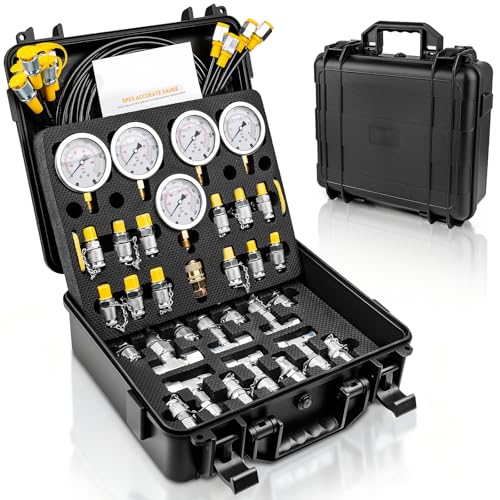
WIDE COMPATIBILITY: Works with most excavator brands and hydraulic machinery. Suitable for construction, mining, industrial, marine, and petroleum applications

【Compact Pressure Test Kit】Compact 60MPa / 8700 PSI Pressure Test Kit: Built for routine hydraulic pressure checks and troubleshooting on matched systems. Common applications may include travel motor pressure checks, main pump pressure testing, and breaker line pressure checks on excavators or construction machinery with compatible diagnostic test ports.
What to Do When Your Hydraulic Fluid Smells Wrong
Now that you’ve got your smell baseline locked in, it’s time to act on what your nose is telling you. First, stop using your wood chipper immediately—don’t risk damaging expensive hydraulic components. Check your pressure gauge calibration to confirm the system’s operating normally, then inspect for visible leaks or water contamination.
Next, tackle filter maintenance right away. A clogged or saturated filter often causes that burnt smell, so replace it and flush out any trapped debris. If you’re detecting a varnish-like odor, drain the old fluid and refill with fresh hydraulic oil.
For severe contamination—that nasty bacterial stink or dark, cloudy appearance—you’ll need a complete system flush. Don’t ignore these warning signs. Your hydraulic system’s longevity depends on catching problems early and acting fast.
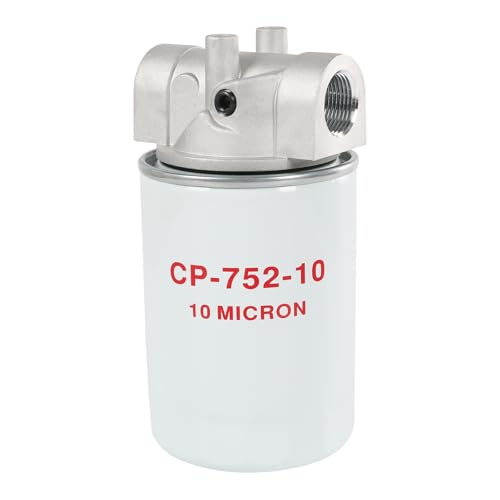
[HYDRAULIC OIL FILTER] The 10-micron hydraulic oil filter assembly is designed to remove contaminants from petroleum-based, high water, water glycols, and water/oil emulsions fluids, it's best suited for cleaning petroleum-based fluids

BUILT FOR RUGGED ENVIRONMENTS: Designed for heavy duty vehicles and off-road equipment

IDEAL FOR SYNTHETIC AND HIGH-MILEAGE OILS: Designed to handle the demands of normal to extreme driving conditions like towing, stop-and-go traffic with long idle periods, and long highway runs
Stop Expensive Repairs With Routine Odor Checks
Your hydraulic system’s smell is basically free maintenance intel, and here’s the thing—catching problems through routine odor checks is honestly one of the cheapest insurance policies you can get against those wallet-draining repairs down the road. Start an odor-log tracking your fluid’s scent during normal operation. Compare baseline smells to current ones—burnt aromas signal oxidation, sour whiffs mean water contamination. The good news is modern sensor integration paired with predictive alerts lets you monitor changes systematically. Don’t ignore intensified smells during hard work; they’re early warnings. Regular odor maintenance prevents sludge buildup, extends fluid life, and stops expensive pump rebuilds before they happen. You’re fundamentally performing diagnostics for pennies.