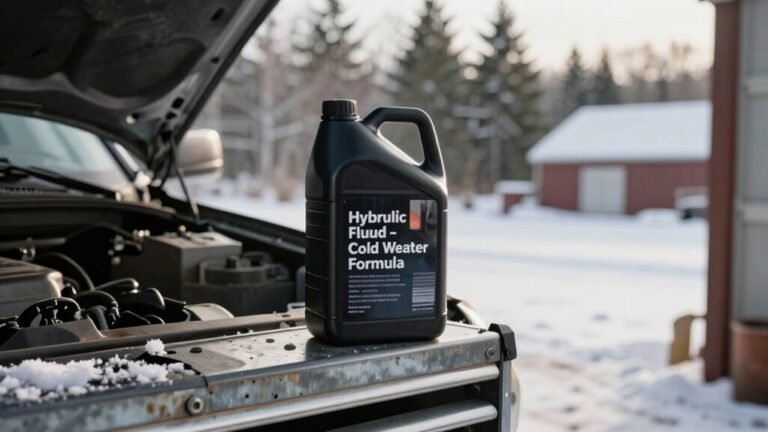
Hydraulic fluid beats motor oil for wood chippers and log splitters because it’s low‑compressible, stays viscous across temperature swings, and carries anti‑wear additives that keep pumps, cylinders and seals happy under high pressure. Motor oil lubricates engines, not hydraulic circuits, so it can thin out in heat or get too thick when cold, leading to wear and leaks. Stick to the manufacturer‑approved ISO/AW grade—usually AW32 for cold starts, AW46 for heavy duty—and you’ll see smoother strokes, longer life, and fewer fire‑hazard worries. The good news is that a simple switch to the right hydraulic oil can shave cycle times and boost power, and the next section shows how to fine‑tune that choice.
Hydraulic Fluid vs. Motor Oil: Core Differences for Wood‑Chippers
When you fire up a wood‑chipper, the hydraulic system is the muscle that turns the engine’s power into the crushing force you feel in the jaws. The fluid inside isn’t just any oil—it’s a temperature‑efficiency champion built for temperature tolerance. Hydraulic fluid acts as an energy transfer medium, moving power cleanly from the engine to the pistons, while motor oil’s job is to lubricate and clean. Because hydraulic oil is 99 % mineral base with a pinch of anti‑wear additives, it stays low‑compressible and predictable across temperature swings, preventing cavitation. Motor oil, packed with detergents and dispersants, fights combustion‑by‑product sludge but can’t keep the same viscosity stability. Mixing them risks fire hazards and reduced efficiency, so stick to the right fluid for your chipper’s hydraulic heart. The low compressibility of hydraulic fluid ensures consistent power delivery even under heavy load. Selecting a fluid with the proper temperature range helps avoid viscosity breakdown during prolonged use. For most residential chippers, a viscosity of 32–46 cSt at 40 °C is typically recommended. Proper viscosity index maintenance is essential to keep the fluid performing across varying temperatures.
Match Fluid Type to Your Machine’s Design (Hydraulic vs. Hydrostatic)
If you’re trying to decide whether your wood‑chipper or log‑splitter needs a standard hydraulic fluid or a hydrostatic‑grade oil, the first thing to understand is how the machine’s design dictates the fluid’s job. A conventional hydraulic system uses a fixed‑displacement pump, so you’ll want a fluid that handles constant pressure and simple lift or tilt actions. Do staticstatic transmission, however, relies on a variable‑displacement pump for precise speed and torque control; here, flow‑rate tuning is critical, and the oil must stay stable under constantly shifting pressures. Run a quick system mismatch analysis: if your equipment’s spec sheet calls for a hydrostatic‑grade oil, using a generic hydraulic fluid can cause overheating, wear, or costly repairs. Match the fluid to the design, and you’ll keep your wood‑chipper or log‑splitter running smoothly. Proper pressure regulation is essential for preventing component failure and maintaining efficient operation. Selecting the right pump type, such as a gear pump for low‑cost, high‑flow applications, further ensures system reliability. Understanding additive chemistry helps prevent premature wear and ensures compatibility with seals and hoses.
Pick the Right ISO or AW Viscosity Grade for Your Wood‑Chipper
Even if you’ve never opened a hydraulic tank before, picking the right ISO or AW viscosity grade for your wood‑chipper is easier than you think. For most residential chippers, AW32 (ISO 32) gives you a thin‑film oil that keeps cold‑start torque high and the Temperature‑viscosity curve gentle, so the pump spins up fast even at 0 °C. If you live in a milder zone and haul heavy loads, AW46 (ISO 46) adds a thicker film for better load protection, but expect a slower start in the cold. Check the maker’s spec sheet, then match the climate: cold weather → AW32; temperate or heavy‑duty work → AW46. The right grade protects seals, reduces wear, and keeps your chipper humming. Regular fluid testing can reveal early signs of discoloration before performance drops. Monitoring the hydraulic fluid temperature helps prevent overheating and extends component life.

BRAND & GRADE: CAM2 PROMAX AW 32 Hydraulic Oil delivers reliable performance for a wide range of hydraulic systems.

PREMIUM HYDRAULIC OIL: AW 32 grade hydraulic fluid designed for high-performance hydraulic systems and industrial equipment

Exceptionally Long Life: Designed for 6,000-hour severe service with high oxidation resistance, providing up to 3 times the lifespan of standard fluids, minimizing the need for frequent replacements
Avoid Common Motor‑Oil Mistakes in Hydraulic Systems
Most folks think any motor‑oil will keep a hydraulic system humming, but the truth is that the wrong oil can chew through your wood‑chipper or log splitter faster than a squirrel on a pinecone. You’ll see the biggest slip‑up when you grab a 15W‑40 engine oil and pour it into a hydraulic pump. Its oil viscosity is tuned for engine heat, not the precise temperature window your cutter needs, so you either starve the bearings at cold start or let metal‑to‑metal contact happen on a hot day. The other rookie error is ignoring anti‑wear additives. Zinc‑free, high‑grade additives protect the tight tolerances in your splitter’s cylinders; using a generic oil without them speeds up wear and can ruin seals. Stick to the spec‑sheet, match the viscosity, and choose a fluid with the right anti‑wear chemistry. For equipment that requires both transmission and hydraulic functions, many operators opt for a universal tractor fluid to simplify maintenance and ensure compatibility across multiple systems. Amsoil’s synthetic base stock provides viscosity stability even in extreme temperatures, extending service intervals and reducing wear. Proper hazardous fluid handling is essential to prevent health risks and environmental contamination.
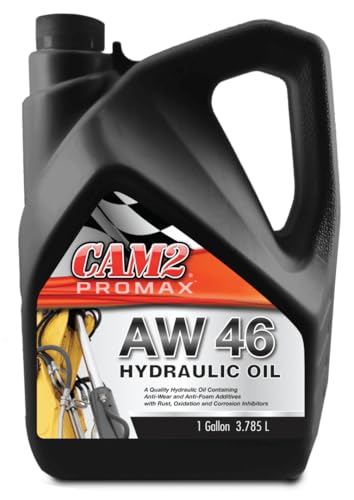
PREMIUM QUALITY: AW 46 hydraulic oil formulated with anti-wear and anti-foam additives for superior performance and equipment protection

Improves the lubrication properties of the oil
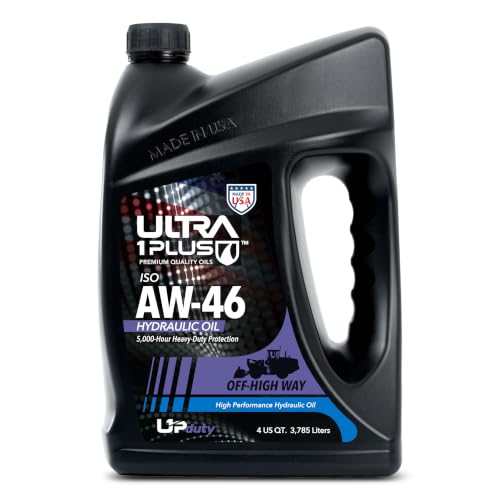
SUPERIOR ANTI-WEAR PROTECTION: Advanced iso 46 hydraulic oil formula with AW additives shields vane, piston, and gear pumps from friction. Extends life and reduces downtime in industrial equipment.
Maintain Levels, Filtration, and Leak Prevention for Hydraulic Fluid
You’ve already learned why the right oil grade matters, so let’s talk about keeping that fluid in good shape once it’s in the system. Check the level every morning through the sight glass or dipstick; low fluid spikes heat and invites air, water, and dirt. Top up with clean, filtered fluid and use a 3‑micron breather on the reservoir to protect seal integrity. Swap your filter at the manufacturer’s interval—high‑quality Beta‑10 filters give 99 % efficiency at 10 µm and extend filter lifespan. Inspect hoses, seals, and connections for cracks, and listen for pump whine that can signal a leak. Replace seals on schedule, keep temperatures down, and store spares away from heat and chemicals. This routine catches contamination early and keeps your wood‑chipper or splitter humming. Before adding fluid, always wipe the dipstick to ensure an accurate reading. Regularly clean the reservoir vent to prevent debris buildup that could impair breather performance. Following a systematic bleeding process ensures air is removed before re‑pressurizing.
Decide When to Upgrade or Switch Fluids for Maximum Longevity
If you notice the oil turning dark, smelling burnt, or bubbling up like a soda can, it’s time to think about swapping fluids before your wood‑chipper or log splitter starts losing power. You’ll want to schedule a fluid upgrade timing as soon as you see milky discoloration, foaming, or sluggish ram movement—these are clear signs the fluid’s viscosity is off and its lifespan is shrinking. Check the drained fluid for metal particles; their presence means internal wear and a replacement is overdue. Match the new fluid to the manufacturer’s specs (AW32, ISO32, or ASLE H‑150) and consider a higher‑viscosity oil for cold weather or heavy loads. By acting promptly, you protect seals, keep pressure steady, and extend overall equipment life. Always ensure all connections are tight before refilling to prevent leaks. Using a centrifuge can efficiently separate water from the hydraulic fluid, ensuring a dry system. Monitoring hydraulic fluid temperature helps detect overheating early, preventing costly damage. Properly contain the spill with absorbent pads and dispose of them according to local hazardous waste regulations.

Anti-Wear AW32 Hydraulic Oil for Log & Wood Splitters, Gear & Compressor Oil- Rust & Corrosion Protection
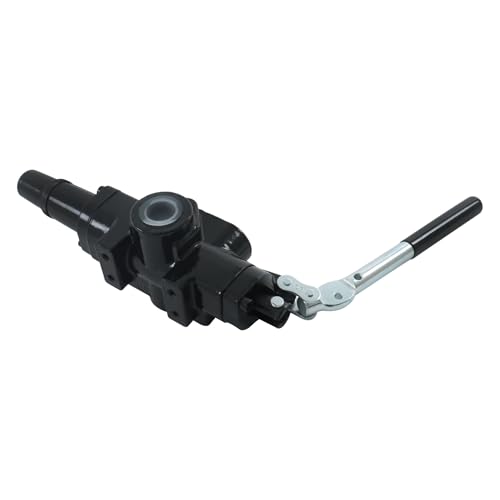
Specification: Max flow: 30gpm, preset pressure: 2250psi, max pressure: 3625psi, inlet / outlet ports on the side: 3/4 npt, top ports going to the cylinder: 1/2 npt

Part Numbers: 918-0481A 917-0899 918-0481 718-04706P 717-0899 717-0899-0483 717-0899-0637 717-0899-0638 717-0899-0648 717-0899-0662 718-0481 718-0481-0498 718-0481-0637 718-0481-637 718-0481A
Add HYD46+ Virgin Oil for More Power in Splitters
When you swap in HYD46+ virgin oil, you’ll feel the difference instantly—your splitter gushes forward with smoother, stronger strokes, and the whole system stays cooler under load. The power oil formula packs a performance boost that can shave up to 30 % off your cycle times, letting you split more wood with less effort. Because it’s virgin oil, you avoid the degradation that recycled blends suffer, so the fluid stays stable even in hot, demanding splits. That stability translates into longevity enhancement for pumps, cylinders, and seals, meaning fewer leaks and less frequent changes. The low‑foam, anti‑wear additives keep pressure consistent, so you get reliable force every pull without the hassle of constant maintenance. Proper storage and handling of hydraulic fluid reduces fire risk, especially when using low‑flammability formulations. Regularly inspect hydraulic lines for signs of metal corrosion to catch issues early. Understanding hydraulic pressure dynamics helps you fine‑tune system performance and prevent overload.

Reduces the operating temperature of hydraulic systems

MEETS OR EXCEEDS ALL OEM SPECS: Compatible with John Deere J20C, Kubota UDT, Kubota UDT2, Kubota Super UDT2, Ambra Multi-G, CASE MAT 3525 UTTO, Akcela HY-TRAN Ultra, John Deere Hygard, CAT TO-2, Komatsu, Massey Ferguson, and all other OEM tractor hydraulic and transmission fluids; Variable viscosity SAE 80 (ISO 32/46)

ALL OEM COMPLIANCE: Compatible with / Meets or Exceeds John Deere J20C, Kubota UDT2, Kubota Super UDT, Ambra Multi-G, CASE MAT 3525 UTTO, AKCELA HY-TRAN Ultra, John Deere Hygard, CAT TO-2, Komatsu, Massey Ferguson, and more
Which ISO/AW Grade Is Best for Your Wood‑Chipper?
Choosing the right ISO/AW grade for your wood‑chipper is more about matching the fluid to the conditions you’ll face than memorizing a spec sheet. If you work in a cold climate, go with AW‑32 (ISO 32). Its low cl viscosity lets the pump spin up quickly, reducing startup resistance and keeping the system fluid when temperatures dip. For temperate or warm regions, AW‑46 (ISO 46) offers better seasonal compatibility; its higher viscosity stays thick under load, protecting high‑pressure pumps and gears. Remember, lighter‑load chippers handle ISO 32 fine, but heavy‑duty models benefit from ISO 46’s extra film strength. Check the manufacturer’s recommendation, then pick the grade that matches your climate and workload.

Anti-Wear Hydraulic Protection: Formulated with advanced anti-wear additives and FMX Technology to help reduce friction, minimize component wear, and extend equipment life.

Package Dimensions: 16.0 H x 13.0 L x 13.0 W (inches)
Anti-Wear Hydraulic Protection: Formulated with advanced anti-wear additives and FMX Technology to help reduce friction, minimize component wear, and extend equipment life.