Water in your chipper or splitter’s hydraulic system kills performance fast—you’ll notice milky fluid or sluggish operation when contamination hits. Your best bet depends on severity: vacuum dehydration works best for dissolved water, centrifugation tackles free water effectively, and gravity settling handles budget-friendly removal overnight. You can combine methods for stubborn cases, then install absorption filters or coalescence cartridges to prevent it happening again. The specifics on which approach fits your situation best are worth understanding.
Why Water Contaminates Hydraulic Fluid in Wood Chippers and Log Splitters
Because your wood chipper and log splitter live outdoors and get used hard, they’re basically magnets for water contamination—and here’s the thing, you don’t even need a catastrophic leak or a dunk in a puddle for it to happen. Rain, snow, and humidity creep in through seal leakage and worn connections. Routine washdowns deposit water directly into cylinders and reservoirs. Temperature swings between operation and shutdown create internal condensation that pools inside your system. Even opening ports during repairs lets atmospheric moisture slip in. What most people don’t realize is that seal degradation accelerates this problem—as seals age, they lose their grip, inviting water infiltration. Water doesn’t just sit there either; it triggers corrosion, reduces lubrication, and destroys your fluid’s ability to protect your equipment. Excessive water can also cause the hydraulic fluid to exceed its safe temperature range, leading to overheating and component wear. Hydraulic fluid temperature can rise dramatically during heavy use, especially when water contamination reduces the fluid’s heat‑dissipation capacity. Proper viscosity control helps maintain system performance even when moisture is present. Exposure to contaminated hydraulic fluid can lead to skin irritation and respiratory issues, underscoring the need for personal protective equipment during maintenance.
When Your Oil Turns Milky: Signs of Water Damage
When your hydraulic fluid goes from that nice amber clarity to looking like a glass of chocolate milk, you’ve got water in there—and it’s probably been accumulating longer than you’d think. Milky oil signals that water content has exceeded your hydraulic system’s saturation threshold—typically around 200–300 ppm in mineral oil at room temperature.
Here’s the thing: that cloudy appearance isn’t just cosmetic. It’s telling you that additive depletion is already underway. Water weakens those protective additives, leaving your pump, valves, and cylinders vulnerable to corrosion and accelerated wear.
You’ll also notice performance issues alongside that discoloration. Your wood chipper or log splitter might move sluggishly or jerk around unpredictably. That’s your system struggling because the oil’s lost its lubrication strength. Don’t ignore milky oil—it demands immediate attention. Regular fluid testing can detect elevated water levels before they cause serious damage. Understanding water solubility limits helps you set proper maintenance intervals.
Operators should also be aware of the sweet petroleum-like odor that accompanies normal hydraulic fluid, as a change to a faint metallic scent can indicate early contamination.
Vacuum Dehydration: Fast-Acting Solution for Contaminated Oil
Now that you’ve spotted that telltale milky appearance in your hydraulic fluid, you’re probably wondering if you’ve got to drain the whole system and start fresh—but you don’t. Vacuum dehydration offers rapid oil-recovery without replacing expensive fluid. Here’s the thing: this process heats your oil to 130-160°F under deep vacuum, causing water to flash into steam and separate while your oil passes through filters untouched. The result? You’ll drop water content from dangerous 5% levels down to safe 0.5% or less. What most people don’t realize is that vacuum dehydration removes dissolved water that other methods miss—the stuff that actually causes oxidation and corrosion. Your additives stay intact, your equipment runs better, and you’ve saved serious cash. Proper PPE is essential when handling heated oil and steam during the dehydration process. If the fluid contacts skin, immediate flushing with plenty of clean water is critical to prevent irritation. Fire‑resistant storage further reduces the risk of ignition when hydraulic fluid is exposed to high temperatures.

Reduces the operating temperature of hydraulic systems

Meets and exceeds all OEM specifications for power shift transmissions

SAM Low-Temperature Blue Hydraulic Fluid is rated at -50°C.
Centrifugation: Spinning Out Severe Contamination
If vacuum dehydration is your quick fix for light contamination, centrifugation is your heavy hitter when things get really messy. You’re spinning hydraulic fluid at high speed, and that centrifuge design does the real work—centrifugal force pushes water outward based on density difference, separating it fast.
Here’s the thing: you’ll need specialized equipment and solid maintenance protocols to keep it running right. The process works great on free water, though emulsified water needs stronger centrifugal force. You’ll want an inline heater to thin thicker oils, speeding up separation. The downside? It’s expensive and limited to oils under 30 cSt. But for severe contamination in your wood chipper or log splitter, centrifugation removes water faster than gravity ever could. By harnessing the hydraulic ram’s pulsating surge, you can integrate the centrifuge with existing low‑energy power sources. With proper setup and maintenance, clean transparent oil emerges from the centrifuge as validation that the separation process successfully eliminated water contamination. This method leverages the incompressibility of hydraulic fluid to maintain consistent pressure during the high‑speed spin. Proper disposal of the extracted water and contaminated sludge is essential to meet environmental regulations and protect local ecosystems.

MEETS OR EXCEEDS ALL OEM SPECS: Compatible with John Deere J20C, Kubota UDT, Kubota UDT2, Kubota Super UDT2, Ambra Multi-G, CASE MAT 3525 UTTO, Akcela HY-TRAN Ultra, John Deere Hygard, CAT TO-2, Komatsu, Massey Ferguson, and all other OEM tractor hydraulic and transmission fluids; Variable viscosity SAE 80 (ISO 32/46)

32-ounce bottle HT-1000 premium transmission fluid

Premium hydrostatic transmission fluid engineered by Parker for use in mobile and industrial hydrostatic drive systems; 1 gallon container.
Gravity Separation: Free Water Removal on a Budget
Want to know the easiest way to get water out of your hydraulic fluid without spending a fortune on fancy equipment? Gravity separation‘s your answer. You’ll let nature do the heavy lifting—literally. Water’s heavier than hydraulic oil, so it naturally sinks to the bottom of your reservoir tank over time.
Here’s the thing: you just stop running your chipper or splitter, let everything sit undisturbed for a day or two, then crack open that drain valve and let the water pour out. No special tools needed. For low cost monitoring, you’ll simply watch for visible separation between layers.
The good news? This method won’t cost you anything beyond what you’ve already got. It tackles free water beautifully, though it won’t handle emulsified water. Perfect for budget-conscious folks like you. Hydraulic fluid freezing can be avoided by keeping the fluid warm. Always wear appropriate protective gear to prevent skin contact with contaminated fluid. Also, be sure to check the reservoir before refilling to ensure no residual water remains.
Coalescence Filters: Merging Water for Efficient Drainage
Once you’ve got your hydraulic fluid sitting in that tank and gravity’s done what it can, you’re probably still looking at water that won’t settle out—and that’s where coalescence filters come into play. These filters use special fiber geometry designed to break apart water films clinging to oil droplets. As your fluid passes through the dense mat, water sticks to the fibers while oil slides right through. Small droplets merge together at fiber nodes, growing larger until gravity pulls them downward into a collection area for drainage. Larger droplets settle faster and more completely than smaller ones, which is why the coalescence process is so effective at removing water that gravity alone cannot handle. The pressure differential across the filter does the heavy lifting here—it forces fluid through while trapping water. You’ll monitor that pressure gauge, and when it climbs, you know it’s time for maintenance. The good news? You’re handling stubborn water your gravity tank simply can’t touch. Using the correct fluid is essential because power steering fluid contains additives that protect seals and reduce wear. The high‑pressure formulation of hydraulic fluid ensures it can tolerate the stresses of wood‑processing equipment without breaking down.
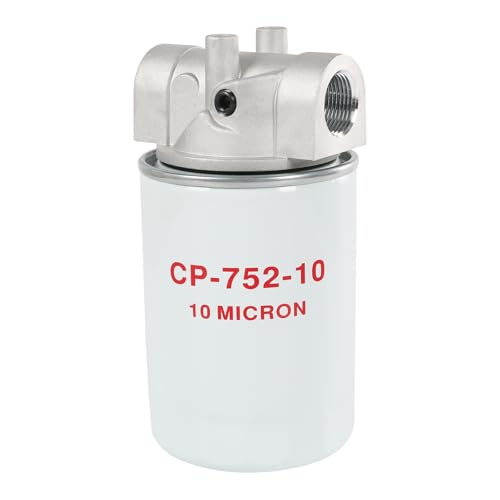
[HYDRAULIC OIL FILTER] The 10-micron hydraulic oil filter assembly is designed to remove contaminants from petroleum-based, high water, water glycols, and water/oil emulsions fluids, it's best suited for cleaning petroleum-based fluids

Universal Compatibility: Fits models 723-0405, 723P0405, WD-900-8041,221006,cp-752-10, 120-818,6515541and log splitters/mini excavators.
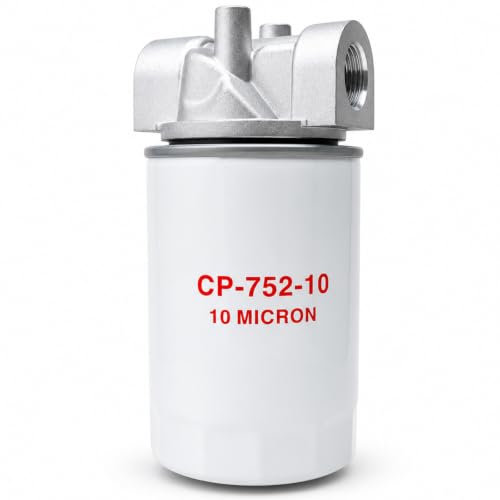
[Hydraulic Oil Filter Assembly]: 10-micron spin-on hydraulic oil filter assembly designed for return line applications. Helps support normal filtration performance during routine equipment operation
Combining Removal Methods: Which Techniques Work Together
Now here’s the thing—no single water removal method is a silver bullet, especially when you’re dealing with the stubborn contamination that wood chippers and log splitters throw at you. You’ll get the best results combining techniques strategically. Pair vacuum dehydration with centrifugation to tackle dissolved, free, and emulsified water simultaneously. Or use gravity settling first, then centrifuge the leftovers. What most people don’t realize is that hybrid filtration approaches with thermal condensation work wonders together—heat your fluid to operating temperature during vacuum treatment, then let centrifugation handle particles while dehumidifiers prevent moisture re-entry. The good news is you don’t need expensive equipment. You’re layering proven methods that address different water types, ensuring your hydraulic system stays truly clean and dry. A propane torch with stainless steel kettle can effectively heat oil to around 60 °C under vacuum conditions, achieving visible moisture removal in approximately 15 minutes with low‑cost components. Bleeding a hydraulic cylinder without a dedicated bleeder valve can also be performed using a clear hose attached to the highest point of the system to purge trapped air. Properly bleed a hydraulic cylinder requires following the valve sequence outlined in the safety guidelines. Always wear protective gloves when handling hot hydraulic fluid to prevent burns and skin contamination.
Absorption Filters and Breathers: Block Water Before Removal
If you’re serious about keeping your hydraulic system healthy, you’ve got to think like you’re playing defense—stopping water before it ever becomes a problem beats chasing it down later.
That’s where absorption filters come in. These specialized filter media use superabsorbent polymer technology that locks water permanently into a gel-like structure. You install them inline after your particulate filter, and they’ll remove up to two liters of free water per filter element. Here’s the thing: they absorb over 77% of water in just one volume change, hitting 95% after seven changes.
The good news? You’ve got options. Ten and 25-micron ratings handle most wood chippers and log splitters. Combined with a quality pressure-relief system, absorption filters create a serious defense against water contamination that’ll keep your equipment running strong for years.
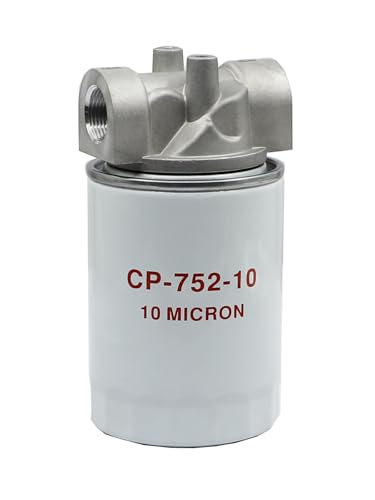
SPECIFICATIONS: The ZXTQWX spin-on filter assembly comes with a 10 filter micron It has a 3/4” NPTF inlet/outlet port

Hydraulic Oil Filter--Utilizing advanced 10-micron filtration technology, it ensures cleaner hydraulic fluid. Designed for a flow rate of 20 GPM and a maximum working pressure of 200 PSI, it protects critical system components and extends service life
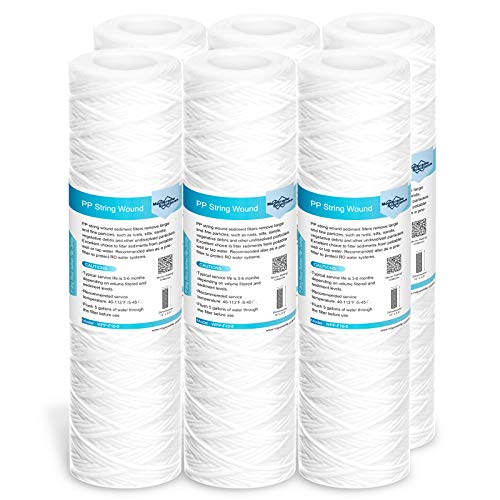
STABLE MATERIAL: Food grade 100% Polypropylene material, Lead and BPA-Free. Odorless, no leaching or secondary pollution. Providing a pleasant, consistent water-filtering experience.
Year-Round Water Prevention: Maintenance Steps That Actually Work
Keeping water out of your hydraulic system year-round beats fighting it after the fact—and honestly, it’s not nearly as complicated as it sounds. Start by topping off your fuel tank daily to prevent condensation buildup, then drain your water separator consistently. During seasonal lubrication routines, you’re already maintaining moving parts—that’s your chance to spot moisture issues early. Store your chipper indoors in a dry area with a dehumidifier to control storage humidity, especially during off-season months. Change your hydraulic oil seasonally and filter it through a 10-micron filter before adding fresh fluid. These preventative steps keep water from ever becoming a real problem, saving you headaches and costly repairs down the road.

WATER SEPARATOR: Add this air-tool accessory to your shop or garage to stop moisture, water, oil, and particles from entering air-spray guns and air-compressor tools. You can also add it to your compressor hose to keep the equipment working efficiently.
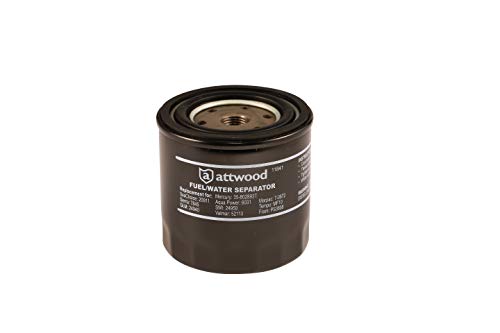
Double seal for enhanced performance

1/2" NPT INDUSTRIAL RATED PARTICULATE FILTER / WATER TRAP TO REMOVE MOISTURE FROM COMPRESSED AIR LINES.