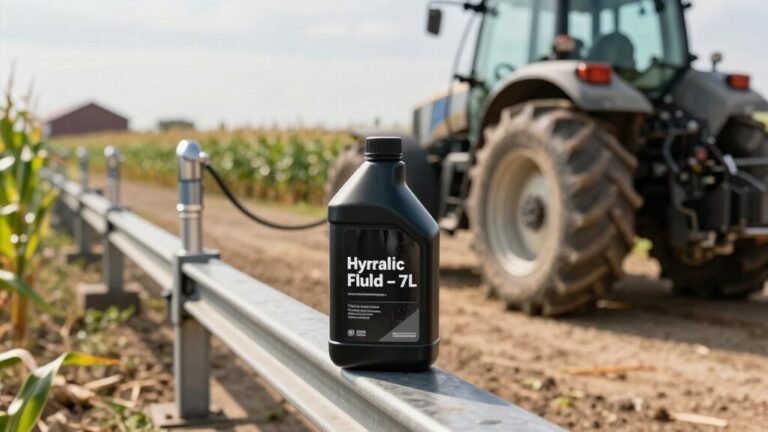
You’ll need between 5 and 12 gallons of hydraulic fluid depending on your chipper’s size, and the “weight” is really its viscosity. For cool weather (≤ 5 °C) pick an AW 32 ISO 32 fluid; it stays fluid enough for the pump to move quickly. When it’s warmer or you’re doing heavy‑duty chopping, go with AW 46 to keep a thicker film and protect high‑pressure components. Just make sure you stay within the manufacturer’s capacity range and you’ll avoid leaks and overheating. If you keep reading, you’ll uncover how to choose the right VI and keep your pump cool.
Choose the Right Hydraulic Fluid Viscosity (AW 32 vs AW 46) for Your Chipper
If you’re gearing up to run a wood chipper, picking the right hydraulic fluid viscosity can be the difference between a smooth, reliable cut and a sluggish, overheating machine. For most hobbyists, AW32 is the go‑to in spring, fall, or any cold weather comparison below 5 °C because it stays fluid and keeps pump efficiency high. When temperatures climb above 5 °C, especially in summer, AW46’s thicker film protects the pump and seals under higher pressure. Switch to AW32 when you notice the chipper lagging in the cold; you’ll feel the system respond quicker. Conversely, keep AW46 in hot, heavy‑duty use to avoid thinning and premature wear. Matching the grade to your climate and load your chipper runs smoothly all season. Selecting the proper fluid also helps maintain seal integrity and reduces wear, especially when using fluids with anti‑wear additives. Proper hydraulic fluid also provides essential anti‑corrosion protection for the system’s metal components. Remember that hydraulic fluid is flammable, so store it in a cool, ventilated area away from ignition sources.

PREMIUM HYDRAULIC OIL: AW 32 grade hydraulic fluid designed for high-performance hydraulic systems and industrial equipment

Exceptionally Long Life: Designed for 6,000-hour severe service with high oxidation resistance, providing up to 3 times the lifespan of standard fluids, minimizing the need for frequent replacements
Size Fluid Capacity for Your Chipper (5‑12 gal)
Ever wonder how much hydraulic fluid your wood chipper actually needs? The answer hinges on your chipper size and the fluid volume the reservoir holds. A compact WC‑68 will sit on 5 gal, while medium‑duty RuggedMade RS‑300 and RS‑500 need 8 gal, and the heavy‑duty RS‑700 steps up to 12 gal. Those numbers match the pipe size and internal passages designed for each model, so you don’t have to guess. Always check the owner’s manual for the exact fluid volume—overfilling can damage seals, and low levels cause sluggish performance. If you’re buying a new kit, look for value packs that match your machine’s required gallons, and you’ll keep the system humming. Proper hydraulic fluid pressure is critical for maintaining torque output and preventing overheating. Choosing the right chipper size helps ensure the hydraulic system operates within its optimal capacity. Before you begin, remember to inspect the dipstick for cleanliness to get an accurate reading.
Select the Correct ISO 32 Hydraulic Fluid for Wood Chippers and Log Splitters
Choosing the right ISO 32 hydraulic fluid for your wood chipper or log splitter isn’t rocket science, but it does make a huge difference in performance and longevity. The good news is that ISO 32 offers a balanced viscosity—31.93 cSt at 40 °C and 5.49 cSt at 100 °C—so your pump runs smooth whether it’s a cold morning or a scorching afternoon. What most people don’t realize is that this grade is formulated with high‑quality paraffinic base stocks and anti‑wear additives, giving you excellent seal compatibility and a solid temperature rating. You’ll also get anti‑foam, anti‑oxidation, and cleanliness filters that keep the system free of sludge. In short, pick an ISO 32 fluid that meets the seal compatibility and temperature rating specs, and your equipment will stay reliable for years. Regular fluid testing can detect early signs of degradation like discoloration before they cause costly damage. Selecting the proper fluid also helps maintain optimal lubrication across varying load conditions.

Anti-Wear Hydraulic Protection: Formulated with advanced anti-wear additives and FMX Technology to help reduce friction, minimize component wear, and extend equipment life.

Package Dimensions: 16.0 H x 13.0 L x 13.0 W (inches)
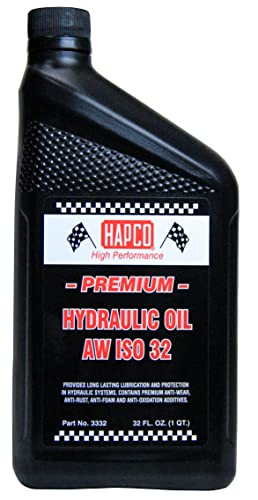
Anti-Wear Protection – Premium anti-wear additives help reduce metal-to-metal contact, protecting hydraulic systems during everyday operation.
How Viscosity Index Keeps Your Pump Cool on Hot Days?
When the sun’s beating down and your wood chipper’s motor is working overtime, a high‑viscosity‑index (VI) oil is what keeps the pump from turning into a hot‑plate. You’ll notice that pump heat drops dramatically when the fluid stays thick enough at 150 °F. That’s VI optimization at work: a high‑VI oil resists thinning, so the pump maintains the 13‑860 cSt sweet spot and avoids excess friction. Low‑VI oils thin too much, letting the pump run hotter and waste energy. By choosing a fluid with a VI above 80—ideally 100+ for extreme days—you keep the hydraulic film stable, cut internal leaks, and let your pump stay cool even when the temperature climbs. This simple switch protects performance and extends the life of your chipper. Proper moisture removal is essential because water can lower the fluid’s viscosity and cause overheating, so regularly checking for water contamination prevents costly downtime. Using the correct additive package ensures the fluid can handle the high pressures typical in wood‑processing hydraulics. The synthetic base in Amsoil hydraulic fluid also contributes to higher viscosity stability under temperature fluctuations.
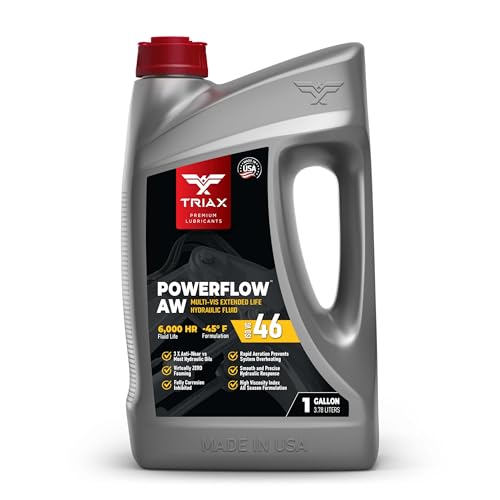
Exceptionally Long Life: Designed for 6,000-hour severe service with high oxidation resistance, providing up to 3 times the lifespan of standard fluids, minimizing the need for frequent replacements

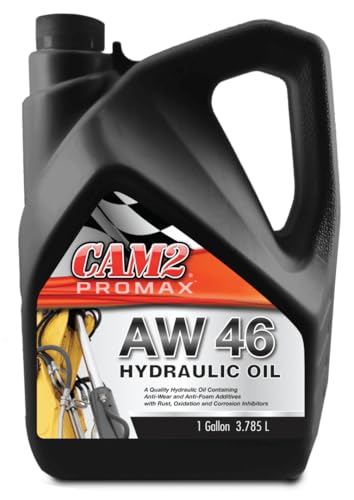
PREMIUM QUALITY: AW 46 hydraulic oil formulated with anti-wear and anti-foam additives for superior performance and equipment protection
Perform a Routine Maintenance Check to Prevent Wear
High‑viscosity‑index oil keeps the pump cool, but the real secret to longevity is a disciplined routine check that catches wear before it becomes a costly repair. You should inspect fluid levels weekly or before each heavy‑load use, topping up with the exact manufacturer‑specified type and logging any drop. Look for clear, amber fluid; dark or milky signs mean contamination, and metallic particles signal internal wear. Perform leak detection daily—scan hoses, fittings, and seals for drips, tighten to spec torque, and replace cracked O‑rings. Keep an eye on temperature strips; stay within 120‑180°F. Finally, schedule filter replacement every 250 hours or annually, and clean intake strainers monthly to stop debris from choking the system. Hydraulic fluid temperature can exceed 200°F under extreme load, so monitoring is critical. Always verify the dipstick reading before operation to ensure the fluid is at the proper level. When handling spills on concrete, use absorbent pads to prevent environmental contamination.