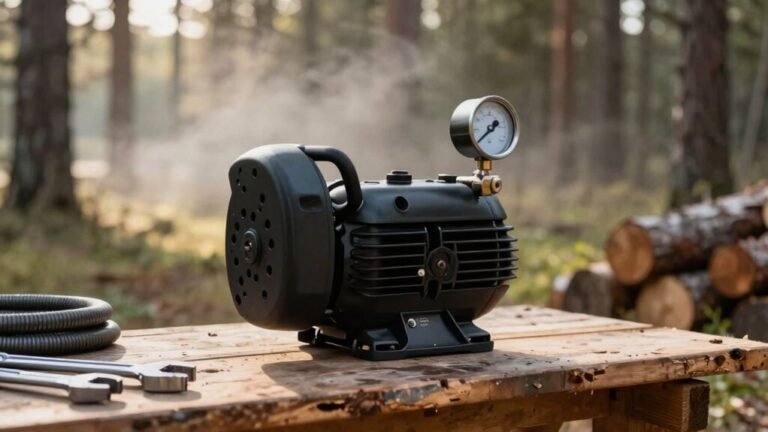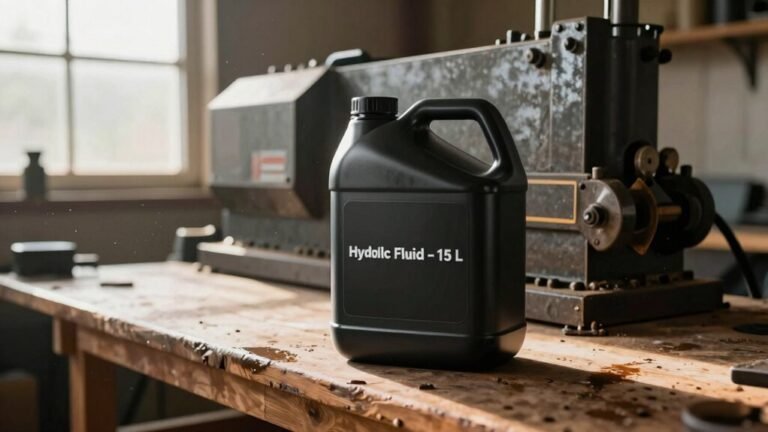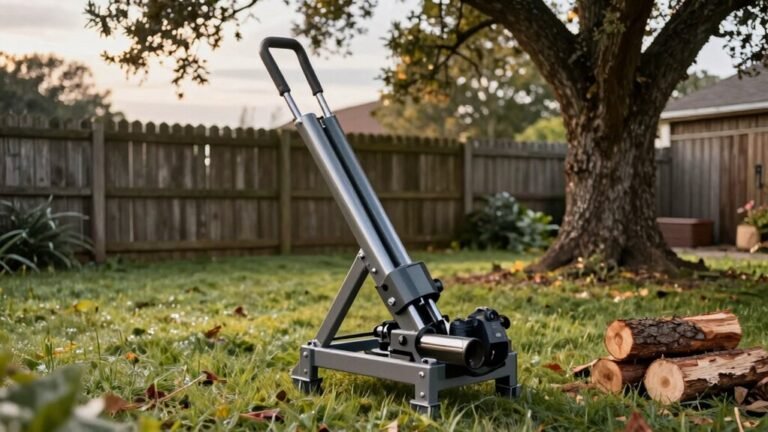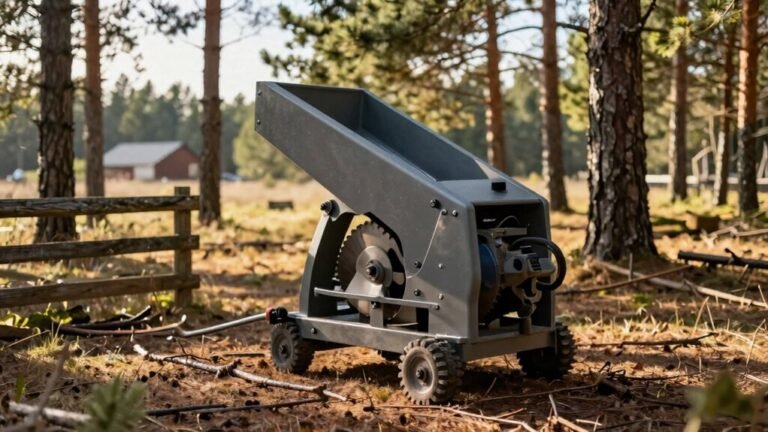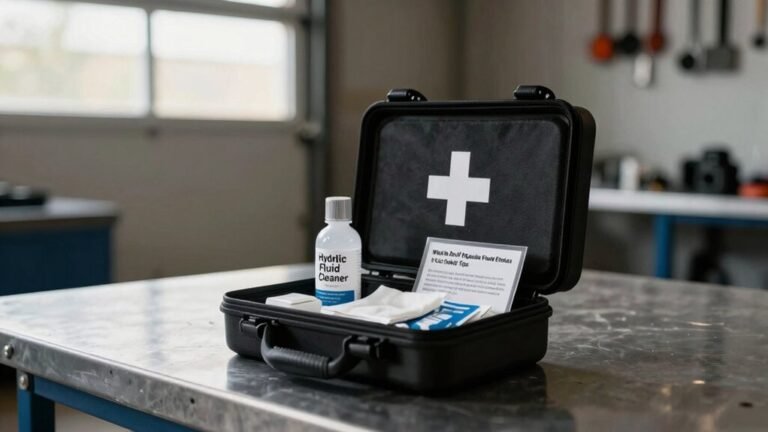
Pick a mineral‑based oil with the right viscosity—AW‑32 or AW‑46 works for most home splitters, while heavier units may need ISO VG 68‑100. Keep the fluid level between the low and high marks, never topping more than 10 mm above the first groove. Drain, replace the filter, and bleed the system after the first 25 hours, then change oil every 100 hours (or sooner if it darkens). Inspect hoses for cracks, tighten clamps, and purge air bubbles by running the pump with the bleed valve open. The good news is that regular checks and proper oil will keep power steady and your splitter lasting longer—more tips await if you keep going.
Choose the Right Hydraulic Oil for Your Log Splitter
Ever wondered why your log splitter sometimes feels sluggish or makes that weird whining noise? The culprit is often oil viscosity. If the fluid’s too thick, the pump works harder, draining power; too thin, and you lose pressure. First, check your manual for the recommended grade—usually AW‑32 or AW‑46. Those numbers tell you the oil’s viscosity, which should match your ambient temperature and load. Next, think about oil compatibility. Stick with mineral‑based fluids that include anti‑wear and anti‑rust additives; they’re designed for the seals and pistons in most household splitters. Avoid mixing synthetic blends unless the maker says it’s safe. Picking the right viscosity and ensuring compatibility keeps your splitter humming smoothly and extends its life. For heavier industrial units, a higher viscosity such as ISO VG 68‑100 may be required to handle higher stress. Proper fluid selection also improves temperature stability and reduces overall maintenance costs. Regularly inspect the fluid for discoloration to catch early signs of degradation.
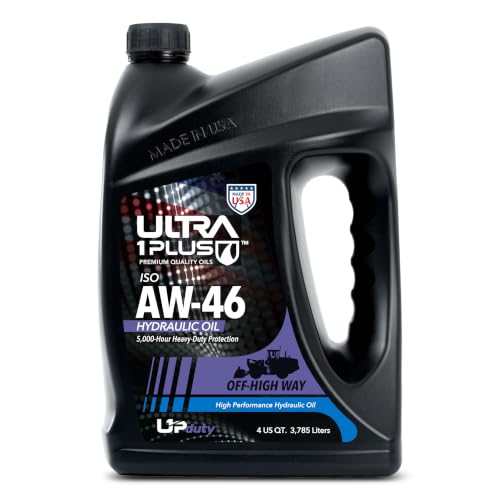
SUPERIOR ANTI-WEAR PROTECTION: Advanced iso 46 hydraulic oil formula with AW additives shields vane, piston, and gear pumps from friction. Extends life and reduces downtime in industrial equipment.

ENHANCED ANTI-WEAR TECHNOLOGY: Formulated to reduce metal-to-metal contact and extend the life of hydraulic pumps, valves, and cylinders—ideal for high-use machinery in demanding environments.
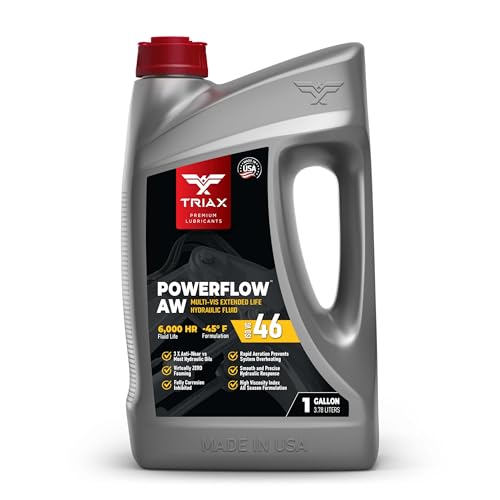
Exceptionally Long Life: Designed for 6,000-hour severe service with high oxidation resistance, providing up to 3 times the lifespan of standard fluids, minimizing the need for frequent replacements
Check and Refill Hydraulic Oil Levels in Your Splitter
Before you start cranking that log splitter, make sure the hydraulic oil is at the right level—otherwise you’ll hear that whining whine and lose splitting power. First, unplug the machine, stop the spark plug if it’s gas‑powered, and open the bleed screw to bleed residual pressure. Locate the drain bolt with the dipstick, unscrew it, and wipe the stick clean. The oil viscosity should be right for your model; using the recommended ISO 3200 or AW32 keeps the pump noise low. Check the fluid for metal particles before refilling. Check that the fluid sits between the low and high marks, never more than 10 mm above the first groove. If it’s low, add oil in small pours with a clean funnel, re‑check a few times, and you’re ready to split. Use an 8 mm Allen key to locate the bolt head securely. Always wear protective gloves when handling hydraulic oil to prevent skin irritation.
First‑Time Drain, Replace, and Bleed Log Splitter Hydraulic Oil
The first time you drain, replace, and bleed the hydraulic oil on your log splitter can feel a bit intimidating, but it’s really just a series of straightforward steps that keep the machine running smooth and quiet. Turn off the engine, set the splitter on level ground, and retract the cylinder fully. Place a container under the drain plug, wipe the area, then remove the plug and let the oil flow out—watch for a coffee‑creamer hue that signals water contamination. While the oil drains, pull the old filter, clean the housing, and install a fresh one; this boosts filter lifespan and protects oil safety. Ensure the ram is fully retracted before removing the filter to prevent oil overflow. Refill to three‑quarters capacity with the recommended fluid, avoid overfilling, and run the engine 5‑10 minutes. Locate the bleed valve at the cylinder’s highest point, extend the ram fully, loosen the valve, and cycle the ram 12 times. Let the system sit a couple of minutes, then shut down. Your splitter is now ready for quiet, reliable work. Check for air bubbles in the hydraulic lines before finalizing the bleed process. Follow the highest‑point bleed method to ensure all trapped air is removed. Inspect cylinder walls for scoring or corrosion before reassembly.

Anti-Wear Hydraulic Protection: Formulated with advanced anti-wear additives and FMX Technology to help reduce friction, minimize component wear, and extend equipment life.
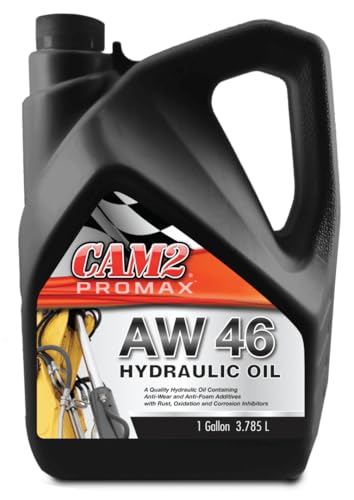
PREMIUM QUALITY: AW 46 hydraulic oil formulated with anti-wear and anti-foam additives for superior performance and equipment protection

BRAND & GRADE: CAM2 PROMAX AW 32 Hydraulic Oil delivers reliable performance for a wide range of hydraulic systems.
When to Change Log Splitter Hydraulic Oil Based on Use Hours
After you’ve drained, refilled, and bled the system, the next big question is how often you actually need to change the hydraulic oil. In most cases you’ll swap it out every 100 hours of use, with the first filter change at 25 hours and then every 100 hours or after a season analysis. If you only log 15‑20 hours a year, treat it as a yearly service—just run a quick visual check and change if the fluid looks dirty. Heavy‑duty users who hit 5‑10 hours weekly will hit the 100‑hour mark in about a year, so plan your seasonal scheduling accordingly. Remember, cleaner oil (low moisture, proper sampling) can stretch the interval to 200‑500 hours, but always follow your manufacturer’s manual. Use a 19 mm wrench to loosen the drain plug when draining the hydraulic tank. Always wear protective gloves when handling potentially contaminated hydraulic fluid. Properly sealing the tank after draining helps prevent environmental contamination and spills. The pump’s pressure surge creates the pulsating motion needed to drive the wood chipper efficiently.

Wide Compatibility with Multiple Models: This hydraulic oil filter is designed to work with a variety of log splitter models including MTD Troy-Bilt LS27, and fits part numbers 723P0405, 723-0405, 120-818, and 6515541. It is also compatible with Bobcat 700, 720, 721 and many others.

Wide Compatibility: This log splitter hydraulic oil filter is compatible with a range of models, including MTD Troy-Bilt LS27, Bobcat 700, 720, 721, and many more. It also fits part numbers 723P0405, 723-0405, 120-818, and 6515541, among others.

Anti-Wear AW32 Hydraulic Oil for Log & Wood Splitters, Gear & Compressor Oil- Rust & Corrosion Protection
Troubleshoot Low Power, Leaks, and Air Bubbles in the Hydraulic System
If you’re hearing a sluggish whine from your wood splitter or seeing the leaf blower’s output drop off, chances are something’s wrong with the hydraulic flow. Low power usually means flow loss, so start with leak detection. Check every hose, fitting, and seal for drips; a warm spot on an infrared scan often points to an internal leak. Next, look for air bubbles. Entrained bubbles appear as tiny specks, while free air shows up as larger pockets. Tighten loose clamps, replace worn seals, and make sure your reservoir stays full. Finally, perform an air purge: open the bleed valve, crank the pump, and let fluid push the air out until the stream runs clear. This should restore speed and steadiness. Always keep hydraulic fluid away from ignition sources, as flammable hydraulic fluid can ignite under high temperature or spark conditions. Properly calibrated pressure gauge ensures the pump meets the required specifications. Axial‑flow pumps are especially suited for high‑pressure, high‑flow demands in heavy‑duty timber equipment.

【Durable Material】Oil Leak Detection Kit, Coolant Leak Detection Kit, The Oil Leak Detection Kit is made of high-quality aluminum alloy material and is practical, durable, and has long-term effectiveness.

See Leaks in Dirty Engine Oil: Oil-based UV leak dye is made for dark used oil conditions where leaks are hard to see, helping trace engine oil leak paths with a compatible UV inspection light

Multi-purpose dye can be used with gasoline and diesel engine oil, power steering fluid, and automatic transmission fluid
Lubrication Tips to Extend Hydraulic System Life
Ever wondered why your wood splitter feels like it’s dragging its feet after a few hours of work? The good news is proper lubrication can fix that. First, clean every bearing, hinge, and pivot point—dirt will grind the metal. Then, grease the U‑joints with white spray grease and apply 10W/30 oil to metal‑to‑metal slides, especially the feed‑box and chains. Keep an eye on oil viscosity; choose the oil the manual recommends for your temperature range, and never substitute household oil. Check the dipstick before each use and keep the level at seven‑eighths full. Verify hydraulic hoses for cracks or damage before each session. Finally, replace the filter regularly; good oil filtration removes particles that would otherwise wear your pump and cylinder seals. This routine extends hydraulic life and keeps performance smooth. Hydraulic fluid toxicity can cause skin irritation and respiratory issues if not handled properly. Maintaining the correct viscosity index ensures the fluid performs consistently across temperature changes.

【13GPM Hydraulic Pump 2 Stage】3600 RPM max rotating speed, 4000PSI max operating pressure along with a 13GPM high flow rate. Provides powerful performance, energy saving and high efficiency.

POWERFUL: The 12 ton hydraulic log splitter can split logs up to 17.7 in long and 7.9 in diameter (Depending on wood density)

Bore: 4" (OD 4.5"), Stroke: 30 inches, Rod: 1.75", Retracted: 40.5", Extended: 70.5", Pin holes: 1-1/8", 9/16"