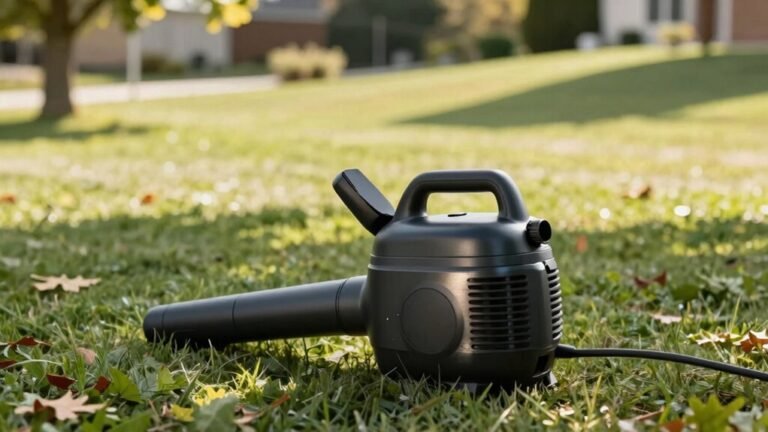
To start your BG-50 efficiently, you’ll want to prep the fuel system first—use a 50:1 unleaded-to-STIHL oil mix and prime the bulb until it’s fully charged. Set the choke fully closed for a cold start, pull the starter rope with a brisk, strong motion until the engine fires, then immediately shift the choke to run position. Let it idle for 10–15 seconds before advancing to full throttle. Nailing this sequence gets your blower running reliably every time.
Prepare Your BG-50 Before the First Pull
Before you pull that starter cord for the first time, taking a few minutes to prep your BG-50 properly will save you headaches and keep your blower running strong for years to come. Start by checking your fuel quality—you’ll want unleaded gasoline mixed with STIHL two-stroke oil at a precise 50:1 ratio. Clean the filler cap and surrounding area thoroughly before fueling to prevent dirt from contaminating your tank. For convenience, consider using Steel Brand MotoMix, which comes pre-mixed at 50:1 and offers a two-year shelf life for storage. Next, inspect the air filter and verify it’s clean or replace it if needed. Check that spark plug boot‘s mounted securely to avoid arcing issues. Position your blower on a level, dust-free surface outdoors in good lighting. These safety precautions aren’t just busywork—they’re what separates a smooth start from frustrating problems. Always verify the engine compression before pulling the cord to ensure optimal performance. Additionally, confirm that the carburetor’s idle speed is set correctly for optimal fuel flow. Remember to check the spark plug regularly to maintain reliable ignition.

Genuine Husqvarna replacement part.

2.6-Ounce - 1 Gallon Mix

Premium Genuine Stihl Mixing Oil
Prime Your BG-50’s Fuel System Correctly
Now that you’ve got your fuel mixed properly and your blower positioned safely, it’s time to get fuel actually flowing to the carburetor—and that’s where your primer bulb comes in. Press that bulb at least five times until it fills with fuel. Don’t stop there, though. Keep pumping it another 20 to 30 times even after it’s full. You’re clearing out vapor and pushing liquid fuel through the system. Make sure your fuel filter‘s seated properly at the tank bottom—a loose filter blocks everything. If your primer bulb won’t fill, you’ve likely got inlet or outlet pipe problems. The good news is most issues stem from a faulty valve or jammed outlet. A few extra bulb pumps usually solves it, getting your BG-50 ready to rip. One-way valves inside the fuel pipes prevent air from being sucked back into the system during operation. Remember to check that the fuel line seal is intact before priming to avoid leaks. The hydraulic ram principle illustrates how pressure differentials can be harnessed for efficient fluid movement. Properly tightening the cylinder head ensures a seal that can withstand the high pressures encountered during operation.
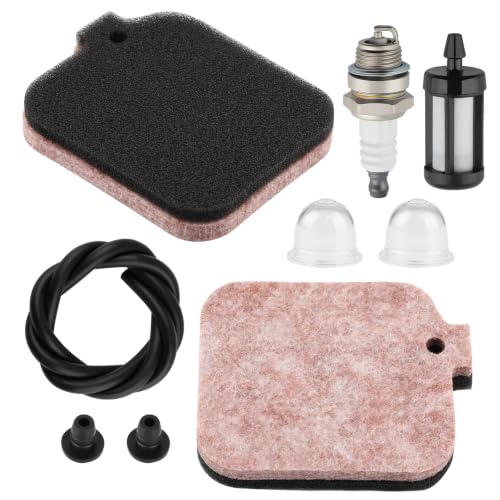
Air filter for Stihl BG50 leaf blower; BG 50 air filter selects high-quality raw materials, effectively prevents fine dust particles and more breathable.

BG55 Air Filter Replaces # STHIL 42291201800 42291201800 42291241500 100-739
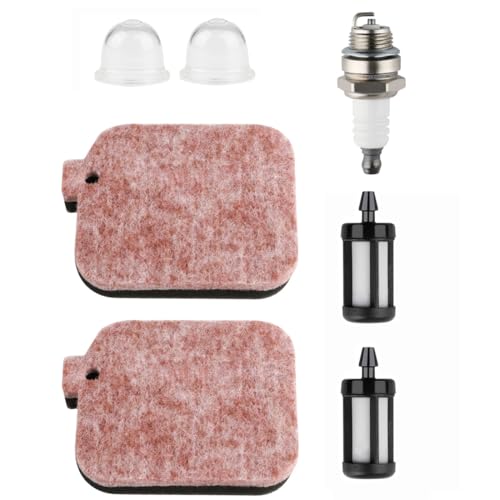
Replacement air filter # 4229 120 1800, perfectly compatible with Stihl BG45 BG46 BG50 BG55 BG65 BG85 SH55 SH85 handheld leaf blower
Set the Choke for Cold or Warm Starts
Once you’ve got fuel flowing through your system, the choke becomes your next critical control—and here’s the thing, getting it right makes the difference between a BG-50 that fires up on the second pull versus one that fights you for ten minutes.
For a completely cold engine, you’ll push the choke to full closed position. This enriches your fuel mixture so the engine’s got enough gas to ignite in frigid conditions. Once it fires and attempts to run, move it to the warm start position—that’s your middle ground. After about ten seconds, shift it fully open.
If your blower’s been running recently, skip full choke entirely and start at half-choke instead. Choke timing‘s everything here—nail the shifts, and fuel enrichment works perfectly without flooding you out. The semi-automatic choke on certain models will transition to run position automatically once the engine fires, eliminating manual adjustment steps. The centrifugal impeller creates the high‑velocity airflow that dislodges leaves efficiently. Proper air‑filter maintenance can also improve performance and extend engine life. Using a leaf blower can dramatically cut yard work time, especially when tackling large debris volumes across a lawn.

Air Filter Choke Housing ASSY with choke lever replaces # 4229 140 2801

Replacing part numbers: 4140-141-3700, which is a direct replacement for the old or broken one.

Replace Part Numbers:4229-120-0650. Notice: The same vehicle model may require different types of carburetors. Please confirm the specific type you need before purchasing.
Execute the Starter Rope Pull With Proper Technique
With your choke dialed in and the fuel system primed, you’re ready for the part that actually gets this machine running—yanking that starter rope with the right form. Here’s the thing: proper rope tension safety prevents injuries and keeps your blower functioning smoothly. Position your right hand firmly on the handle with the throttle lever wide open. Grip the starter rope in a U-shape, keeping your fingers clear of the pulley. Pull slowly until you feel engagement, then execute one brisk, strong motion. Avoid wrapping the rope around your hand—this is where most accidents happen. Maintain throttle wide open during the initial pull to ensure the engine attempts to start. After pulling, guide the rope back gradually, maintaining rope tension control throughout. This technique delivers reliable starts without damaging your equipment. Also, check the spark plug condition before pulling to avoid ignition issues. Remember to perform a quick air filter inspection before each use to protect engine performance. Regular pre‑flight checks help catch issues early and extend the life of your blower.
Move the Choke to Run Position After Starting
As soon as you hear that first pop from the engine, you’ve got to move your choke lever to the run position—but here’s the thing, the timing matters more than you’d think. Don’t wait too long, or you’ll risk engine flooding. Move the lever immediately after that initial pop, then let the engine stabilize for about 10 seconds before shifting fully to run.
What most people don’t realize is that choke timing prevents stalling and flooding simultaneously. If you keep the choke closed too long after startup, excess fuel builds up and floods the engine. That’s why you shift quickly. Once you’ve moved to run position and the engine idles smoothly without the choke, you’re golden. Your BG-50 will run like a champ. Remember that adjusting the mixture as the engine warms ensures proper fuel-air ratio for consistent performance. Also, verify that the ignition switch is fully engaged before attempting to start. Modern leaf blowers like the Stihl BG-50 incorporate high-efficiency carburetion to maximize power while minimizing fuel consumption. Choosing the right blower type can impact overall efficiency, especially for larger properties where a backpack blower offers superior coverage.
Let Your Engine Warm Up Before Full Throttle
I know you’re itching to get out there and start blowing leaves, but here’s the thing—if you jump straight to full throttle on a cold engine, you’re asking for trouble. After you’ve moved the choke to the run position, give your BG-50 another 10-15 seconds of idle time before going full throttle. This brief warm-up period is essential for oil circulation throughout your engine’s components. Without adequate warm-up, you risk starving critical parts of lubrication, which can cause serious damage. During this idle phase, keep the throttle trigger released and let the engine settle into smooth running. You’ll notice it stabilizes after about 10 seconds. Only then should you gradually advance to full throttle. This simple patience prevents overheating, guarantees proper oil safety, and keeps your blower running strong for years to come. Higher CFM ratings indicate greater airflow power, helping the blower clear debris more efficiently. Hydraulic fluid can be toxic if inhaled or absorbed through the skin, so always wear protective gloves when handling it. Using a leaf blower for dryer vent cleaning can quickly remove lint but may damage the vent or create fire hazards.
If Your BG-50 Won’t Start: Fuel and Choke Diagnostics
When your BG-50 refuses to fire up, don’t panic—nine times out of ten, it’s a fuel or choke issue, and these are totally fixable problems you can diagnose yourself in your garage. First, check for fuel contamination. If your blower’s been sitting for months, that old gas has likely gone bad. Drain the tank completely and refill with fresh fuel mixed at the correct ratio. Next, verify your choke adjustment. You’ll want to set it according to Stihl’s cold start procedure—check your manual for the exact position. A choke that’s partially engaged on a warm engine prevents firing, while incorrect positioning floods the carburetor with too rich a mixture. If your blower still won’t start after addressing fuel and choke, inspect the spark arrester for clogging, as this component commonly becomes blocked with caked material and restricts engine performance. These culprits solve most starting headaches. Also, remember that propane‑powered blowers eliminate the need for gasoline entirely, offering a cleaner alternative for homeowners concerned about fuel storage and emissions. Selecting the proper hydraulic fluid viscosity can also prevent related mechanical issues in heavy-duty equipment.

Great Product
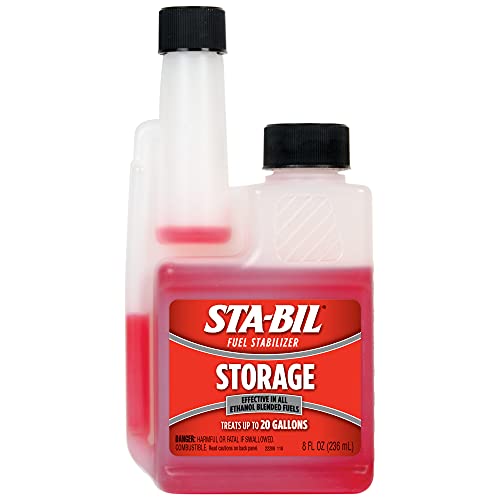
PRESERVES FUEL: This fuel stabilizer ensures keeps gasoline fresh for up to 24 months for storing vehicles that are not in use, boats, outdoor power equipment during winter months, or stocking up on fuel.

PRESERVES FUEL: This fuel stabilizer ensures keeps gasoline fresh for up to 24 months for storing vehicles that are not in use, boats, outdoor power equipment during winter months, or stocking up on fuel.
After Each Use: Quick Maintenance to Keep Your Blower Ready
The difference between a BG-50 that starts reliably year after year and one that becomes a garage paperweight often comes down to what you do—or don’t do—in those first few minutes after you shut it down.
After each use, tighten all nuts, bolts, and screws while you’re thinking about it. Then clean that air filter and spark arrestor cleaning prevents performance drops. Let the engine cool completely on concrete or bare ground, then wipe down the cylinder fins and muffler area. Remove pine needles and debris that trap heat and cause problems.
Don’t skip the fuel tank inspection either. Check your fuel line and filter for cracks or blockages. Running your blower hard and hot after full-blow mode burns out residues that would otherwise plug the exhaust screen. These quick steps take minutes but extend your blower’s life dramatically and guarantee it’ll fire up when you need it most.

FITS FOR STHIL BG55 AIR FILTER, Replaces # 4229-120-1800 4229-124-1500

Air Filter Replace Part Number: STHIL 4229-120-1800 42291201800 42291241500.

BG55 air filter fit for Stihl BG50 BG85 BG55 BG65 BG46 SH85 SH55 Leaft Blower