Brake fluid isn’t a safe stand‑in for your wood‑chipper’s hydraulic oil because it’s made for brake seals, not the high‑load pistons in a chipper. Its low viscosity seeps into rubber seals, swelling them and causing leaks, while the hygroscopic DOT‑3/4 formula pulls in moisture that corrodes components and creates vapor lock under chopping heat. Silicone fluid adds air bubbles that make the pump feel spongy and can lose lift. Stick to the manufacturer‑specified Dexron III/VI, Mercon, or ISO 32 oil, and if you ever have to use brake fluid in an emergency, flush the system and ref with proper hydraulic oil as soon as you can. Keep going and you’ll uncover how to properly flush and switch fluids.
Why Can’t Brake Fluid Replace Hydraulic Oil in a Wood‑Chipper?
Why can’t you just pour brake fluid into a wood‑chipper’s hydraulic system? The short answer is that brake fluid and hydraulic oil aren’t interchangeable. Brake fluid meets sealidity standards designed for automotive brakes, not for the high‑load pistons in a chipper. Its glycol‑based chemistry is hygroscopic, meaning moisture absorption is built in; that moisture can corrode seals and cause vapor lock under the heat generated by chopping wood. Hydraulic oil, by contrast, is formulated to stay stable, resist moisture, and lubricate the massive moving parts of your chipper. If you use brake fluid, you’ll see seal swelling, leaks, and premature wear. The good news is that sticking to the manufacturer’s recommended hydraulic fluid keeps your chipper running smoothly and safely. Inspect hydraulic lines before refilling to ensure no cracks or leaks are present. Using the wrong fluid can also lead to excessive wear of internal components. Brake fluid’s hygroscopic nature can cause internal corrosion in hydraulic systems. Proper storage of hydraulic fluid reduces fire risk by keeping flammable vapors away from ignition sources.
How Do Wood‑Chipper Seals React to Brake Fluid vs Hydraulic Fluid?
You’ve already seen why brake fluid can’t replace hydraulic oil in a wood‑chipper, but the real kicker is how the seals react when you mix the wrong fluid with the system. When you pour glycol‑based DOT 3 or DOT 4 into a rubber‑lined cylinder, the seal material interaction changes dramatically. The fluid’s lower viscosity lets it seep into the polymer matrix, causing the rubber to swell, soften, and lose elasticity. You’ll notice leaks after just a few weeks because the seal’s outside diameter expands and the lip can’t hold pressure. In contrast, mineral‑oil hydraulic fluid matches the original seal chemistry, keeping viscosity stable and preventing swelling. The good news is sticking with the manufacturer‑recommended fluid preserves seal life and keeps your chipper running smoothly. contamination can also accelerate seal degradation by introducing particles that abrade the polymer surface. Improper handling of hydraulic fluid can lead to health hazards such as skin irritation and respiratory issues. Selecting the correct viscosity grade ensures optimal performance and longevity.
What Problems Does Silicone Brake Fluid Cause in High‑Pressure Pumps?
When you pour silicone brake fluid into a high‑pressure pump, the first thing you’ll notice is that the pump just doesn’t behave the way it did with the original mineral‑oil fluid. You’ll feel a soft, spongy pedal because air bubbles form and won’t dissipate, especially after a day of use. Those bubbles expand at higher pressures, making the pump lose lift. Meanwhile, the fluid leaks past rubber seals, causing seal degradation that looks like a waxy buildup and lets water in. Corrosion starts in cylinders, and the pump’s internal elastomers wear faster, producing gritty particles that clog filters. In short, silicone fluid leaves your pump sluggish, noisy, and prone to premature failure. The distinct sweet petroleum‑like odor can help you identify a fluid leak before damage escalates. Proper hydraulic fluid selection is essential because metal compatibility determines whether the fluid will protect or degrade pump components. Using the wrong fluid can also compromise viscosity stability under temperature variations.

Anti-Wear AW32 Hydraulic Oil for Log & Wood Splitters, Gear & Compressor Oil- Rust & Corrosion Protection
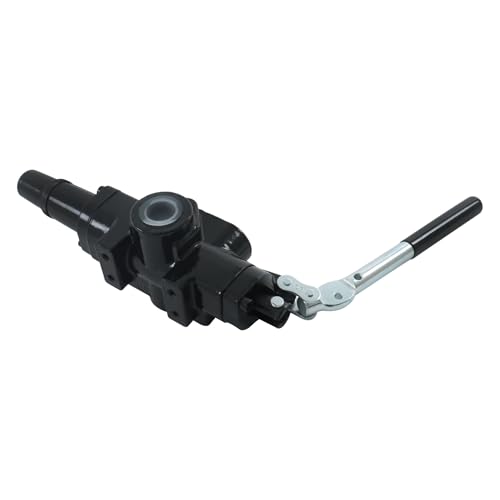
Specification: Max flow: 30gpm, preset pressure: 2250psi, max pressure: 3625psi, inlet / outlet ports on the side: 3/4 npt, top ports going to the cylinder: 1/2 npt

Part Numbers: 918-0481A 917-0899 918-0481 718-04706P 717-0899 717-0899-0483 717-0899-0637 717-0899-0638 717-0899-0648 717-0899-0662 718-0481 718-0481-0498 718-0481-0637 718-0481-637 718-0481A
Which Hydraulic Fluid Is Right for a Wood‑Chipper (Dexron III/VI, Mercon, ISO 32)?
So, which hydraulic fluid should you pour into your wood‑chipper—Dexron III/VI, Mercon, or an ISO 32 oil? If you own a Wallenstein, Dexron III is the go‑to; it gives the right viscosity range (31‑41 cSt at 40 °C) and excellent seal compatibility. When Dexron III isn’t on hand, Dexron VI steps in without a hitch because it shares the same viscosity profile. Mercon works just as well, especially if you lean toward Ford‑type systems, and it also meets the ISO 32 viscosity grade while protecting seals from wear and oxidation. Pure ISO 32 hydraulic oil is a solid alternative for log splitters and chippers that demand a stable viscosity index and high‑temperature stability. The good news is all three keep your seals happy and your pump running smooth. Selecting the proper fluid also ensures optimal temperature stability for consistent performance under heavy load. Understanding hydraulic flow dynamics helps you match pump capacity to system demand. Proper fluid selection also prevents premature wear caused by inadequate pressure handling.
How Do You Properly Flush and Switch Fluids in an Emergency?
If a fluid leak or contamination shows up while you’re in the middle of a job, the first thing you need to do is stop the machine and isolate the system before you even think about flushing. For emergency flushing, depressurize the pump, attach a clean catch container, and run the system with a low‑viscosity carrier—like mineral oil—through a 10‑micron filter. Drain the old fluid completely, then perform a fluid substitution by filling the tank with the manufacturer‑approved hydraulic fluid, slowly bleeding air from each line. Check for leaks, tighten bolts, and verify pressure before you restart. The good news is this quick swap can prevent catastrophic injection injuries and keep your chipper running safely. Always wear gloves and eye protection when handling hydraulic fluids and inspect the dipstick for signs of contamination. Follow the bleeding sequence to ensure all air is removed from the cylinder. Use absorbent pads to safely contain any residual spill during the process.

Container Type: Bottle - Easy-to-handle and store 1 quart of SeaStar's hydraulic steering fluid in this bottle
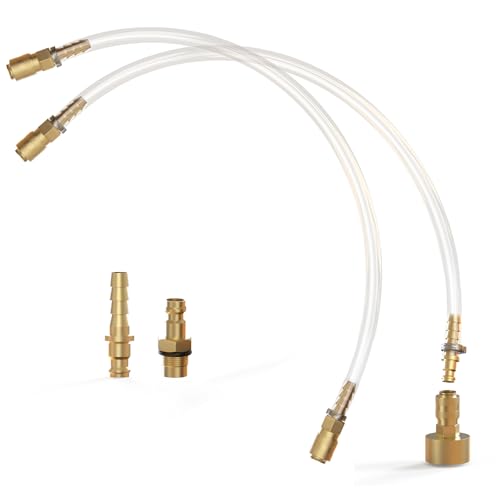
Wide Compatibility: The boat hydraulic steering bleed kit is compatible with seastar systems and is used for cleaning boat hydraulic steering systems effectively

【Material】: Aluminum body to resist corrosion from brake fluid,using soft tube for easy releasing or loosen
Can Brake Fluid Ever Be Safe in a Wood‑Chipper?
Flushing a wood‑chipper after a leak is one thing; deciding whether you can keep running it on brake fluid is another. The good news is brake fluid can be an emergency stop‑gap, but the bad news is it fails seal compatibility and raises fluid toxicity concerns. You’ll see rubber seals swell, soften, or crack because brake fluid’s glycol base attacks the mineral‑oil‑designed elastomers. That degradation lets water soak in, turning the fluid acidic and corroding aluminum components. Even a small amount can damage the pump’s lubrication, and the diethylene glycol in the fluid is toxic if it contacts skin or leaks into the environment. What most people don’t realize is that wood‑chipper manuals never endorse brake fluid; they call for dedicated anti‑wear hydraulic oil. The hydraulic ram pump’s pulsating surge demonstrates how pressure differentials can be harnessed for power, but unlike that system, brake fluid cannot sustain the required pressure without degrading seals. So, unless you’re in a true emergency and can’t wait for the proper fluid, keep brake fluid out of your chipper. Using the wrong fluid can also compromise the temperature range that the system was engineered for. Proper moisture removal can be achieved by draining and flushing the hydraulic circuit before refilling.