No, they’re not the same—and that’s essential to know if you own a log splitter or any hydraulic equipment. Brake fluid’s formulated for your vehicle’s braking system with specific additives and boiling points; hydraulic fluid handles general-purpose applications. Swap them and you’ll wreck seals, lose pressure, and face serious safety issues. Your equipment manual specifies which fluid it needs—stick to it. There’s plenty more to understand about compatibility and why mixing fluids tanks your system entirely.
Brake Fluid vs. Hydraulic Fluid: Key Differences
While you might think brake fluid and hydraulic fluid are interchangeable—after all, they’re both liquids that make your equipment work—they’re actually quite different beasts, and mixing them up can seriously damage your gear. Here’s the thing: brake fluid is specifically formulated for automotive braking systems with corrosion‑preventing additives, while hydraulic fluid serves general purposes across various applications. Material compatibility matters too—brake fluid works with your brake system’s rubber seals, but incompatible hydraulic fluid can destroy them. Temperature sensitivity is another major difference. Regular hydraulic fluid gets thick in cold weather and thin when hot, tanking your braking performance. Brake fluid maintains consistent viscosity across temperature ranges, keeping your brakes responsive whether you’re working in winter cold or summer heat. Using brake fluid in a hydraulic jack can cause seal degradation and lead to premature equipment failure. Moreover, the high boiling point of brake fluid can cause dangerous vapor lock when used in wood chippers, potentially leading to catastrophic failure. Selecting the proper viscosity grade, such as ISO VG 32‑46 for light‑duty equipment, ensures optimal protection and performance.
Why Brake Fluid Needs a Higher Boiling Point
Now that you understand how different brake fluid and hydraulic fluid really are, there’s one critical spec that separates them even further: boiling point. Here’s the thing—when you’re braking hard, your brake fluid heats up fast. If that fluid boils, it turns to gas, and gas compresses. When gas bubbles form in your brake lines, you lose hydraulic pressure, and your pedal goes spongy. That’s vapor lock, and it’s dangerous.
That’s why brake fluid needs a higher boiling point than regular hydraulic fluid. DOT 3 hits 205°C dry, while DOT 4 reaches 230°C. Racing fluids exceed 300°C. Your brakes demand this heat resistance because failure isn’t an option. Regular hydraulic fluid just won’t cut it for stopping power. Brake fluids are hygroscopic, meaning they absorb moisture from the environment over time, which gradually lowers their boiling point and reduces braking performance. Moisture ingress can also cause corrosion and wear on components, further compromising system reliability. Properly storing and handling hydraulic fluid can reduce fire hazards in wood chipping operations, especially when using flammable hydraulic fluid near open flames. Recognizing a sweet petroleum odor can help operators detect leaks early.
How Fluid Composition Affects Braking Performance
Every brake fluid’s got a specific recipe, and that recipe determines how your brakes actually perform when you need them most. Here’s the thing: glycol-based fluids give you lower viscosity, meaning better force transmission and a responsive pedal-feel when you’re stopping. Silicone fluids, though? They’ve got higher viscosity, which causes pressure-drop issues and creates that spongier brake response you’d hate experiencing. What most people don’t realize is that compressibility matters too. Silicone’s compressibility makes your pedal feel mushy compared to glycol’s firmness. So when you’re choosing between them, you’re really deciding between responsive, tight braking control or a softer, less predictable feel. Your brake fluid composition directly shapes how confident you feel stopping. Selecting the proper fluid also depends on the equipment’s operating temperature range and the fluid’s viscosity stability over that range, ensuring consistent performance and longevity. This is why understanding viscosity stability is crucial when matching fluid to your system. Higher viscosity stability in synthetic fluids can also extend service intervals and reduce wear. High pressure resistance is another key factor that separates hydraulic fluids used in wood‑processing equipment from standard brake fluids.
Can You Use Hydraulic Fluid in Your Brakes?
When you’re working on your equipment and something fails, the temptation to improvise with what you’ve got on hand is real—but using hydraulic fluid in your brakes is one of those shortcuts that’ll leave you stranded or worse.
Here’s the thing: hydraulic fluid and brake fluid aren’t interchangeable, even in emergencies. Hydraulic fluid damages rubber seals in your brake system, causing leaks and total failure. It also vaporizes under heat, reducing braking responsiveness when you need it most. Manufacturer guidelines typically prohibit cross-use of these fluids in brake systems due to their different chemical compositions.
In dire emergencies, you might consider emergency brake fluid substitution, but understand you’re risking your safety. Your best bet? Keep proper brake fluid on hand and practice brake fluid recycling at local shops. Don’t gamble with your brakes—stick with manufacturer-specified fluid every time. Understanding hydraulic pressure fundamentals helps you see why the wrong fluid can cause catastrophic loss of pressure. Hydraulic fluid toxicity can also pose serious health risks to operators if proper handling procedures are not followed.

Mixes well with conventional fluids
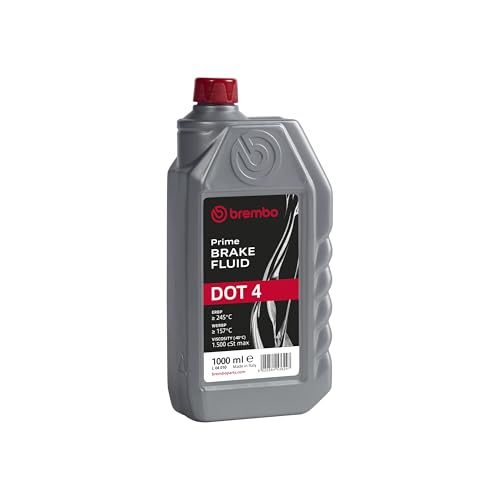
Suitable for all vehicles with ABS

Genuine Honda part that fits your specific vehicle
What Happens When You Mix the Wrong Fluid
Mix the wrong brake fluid into your system, and you’ve fundamentally introduced a chemical bomb that’ll detonate over days, weeks, or sometimes instantly depending on how incompatible the fluids are. When silicone-based DOT 5 fluid meets glycol-based DOT 3, 4, or 5.1 fluids, they won’t blend—they’re like oil and water. The chemical reaction triggers immediate seal degradation and seal contamination throughout your hydraulic circuit. You’ll watch rubber components swell, crack, or turn brittle while sludge forms and clogs sensitive passages in your master cylinder and ABS module. Your brakes feel spongy, weak, and unpredictable. Fluid turns cloudy or milky. Leaks appear around fittings. The damage spreads quietly until you’ve got complete brake failure. Don’t gamble with safety—use the correct fluid type every time. Selecting the proper fluid also depends on temperature viscosity to maintain performance across operating conditions. Proper hydraulic fluid selection can also prevent metal corrosion in wood‑chipper components.

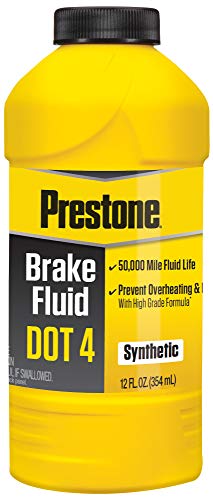
Brake Fluid DOT 4 – Reliable Performance: STP Synthetic DOT 4 brake fluid is designed to help protect brake systems and support consistent braking performance in a wide range of driving conditions

Ideal for hydraulic and disc brakes
New low viscosity formulation, faster response at lower temperatures
Brake Fluid Compatibility: Why Seals and Systems Fail
Your hydraulic system’s seals are fundamentally the gatekeepers of everything that makes your equipment work—and here’s the thing: they’re incredibly picky about what fluid they touch. Glycol-based fluids need EPDM rubber seals, while silicone DOT 5 requires completely different synthetic rubber. What most people don’t realize is that no seal compound works with both. When you introduce incompatible fluid, seal degradation happens fast. The rubber swells initially, causing sticking and reduced hardness, then eventually fails entirely. This fluid incompatibility doesn’t just damage one seal—it spreads throughout your whole system: lines, calipers, wheel cylinders. You’re looking at replacing nearly everything. The good news? Match your fluid type precisely to your system’s original seals, and you’ll avoid this nightmare entirely. Selecting the right seal material, such as polyurethane for high‑wear applications, can further protect against abrasive wear. Remember to check fluid level before each use to prevent seal damage. Regularly inspecting the reservoir for contamination can catch issues before they compromise the seals.
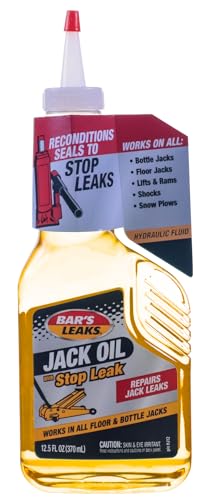
Stops Current Leaks And Prevents Future Leaks

Reduces the operating temperature of hydraulic systems

✅ Leak‑Proof Seal Upgrade for Hydraulic Steering Maintenance Our seastar bleed kit / fill kit adopts upgraded cap thread together with built‑in sealing washers and precision brass seastar fittings. Creates tight air‑tight connections when bleeding boat hydraulic steering system, greatly prevent marine hydraulic steering fluid leaks during fluid replacement and air purging work.
Why Water Absorption Matters for Long-Term Brake Safety
Brake fluid’s biggest enemy isn’t what you’d expect—it’s invisible, odorless, and it’s already in the air around your shop right now. Water absorption doesn’t just happen overnight. Your brake fluid continuously absorbs 1-2% of its weight in moisture annually, gradually degrading its safety lifespan. Here’s the thing: this moisture corrosion accelerates rust inside calipers, master cylinders, and ABS valves, leading to expensive repairs. When water content reaches saturation, your boiling point plummets from 401°F to just 284°F on DOT 3 fluid. That means hard braking generates vapor instead of hydraulic pressure—and your pedal goes spongy. Regular replacement every 2-3 years prevents internal system degradation and keeps your brakes responding predictably when you need them most. If hydraulic fluid contaminates a wound, you should stop the flow immediately and seek professional medical help. Additionally, operating a hydraulic system at temperatures above 150°F can significantly increase the rate of moisture absorption. Proper use of containment barriers can prevent spills from spreading and reduce environmental impact.
DOT 3 vs. DOT 4 vs. DOT 5: Which Fluid Does Your Vehicle Need?
Once you’ve wrapped your head around why your brake fluid’s getting moisture-logged every year, you’re probably wondering what type actually belongs in your rig—because not all brake fluids are created equal. DOT 3 was the standard for decades, with a wet boiling point of 140°C, but it absorbs moisture like a sponge. DOT 4 bumps that up to 155°C and handles modern ABS systems better. DOT 5 uses silicone instead—it won’t absorb water, making it perfect for classic cars sitting idle. Then there’s DOT 5.1, which matches DOT 5’s boiling points but works like DOT 4 in modern vehicles. Silicone-based DOT 5 is often confused with glycol-based DOT 5.1 due to their similar naming conventions. Check your owner’s manual first. Most newer equipment needs DOT 4 or DOT 5.1. Never mix DOT 5 with anything else.
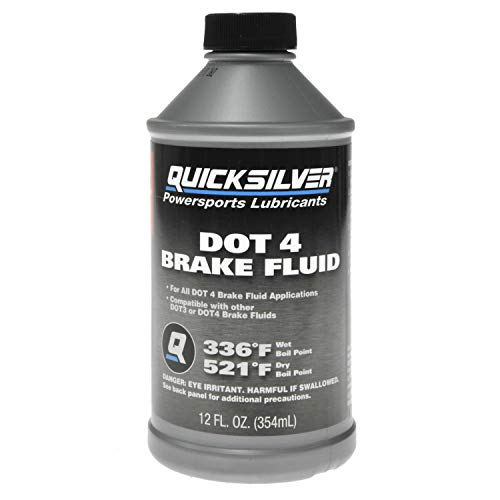
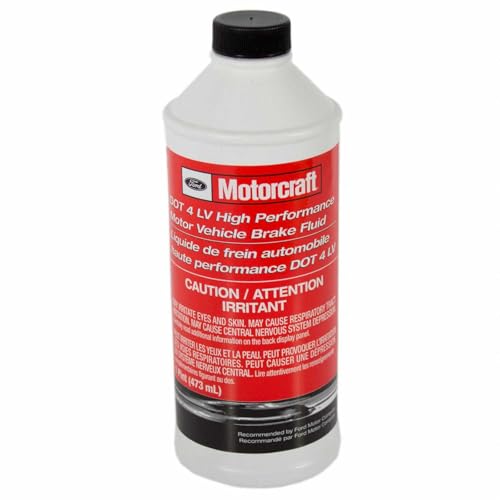
The 336⁰F wet boil point and 521⁰F dry boil point exceeds common characteristics for DOT 4 brake fluids

High performance brake and clutch fluid designed to lubricate and protect critical brake system componentry while providing reliable stopping power
How to Choose and Maintain the Right Brake Fluid
If you’ve got a log splitter, wood chipper, or any piece of hydraulic equipment sitting in your workshop, you already know that fluid maintenance isn’t sexy—but it’s absolutely critical. Here’s the thing: choosing the right brake fluid starts with your vehicle’s handbook. Don’t guess. Check your manufacturer’s specs for the correct DOT rating—3, 4, 5, or 5.1. Most U.S. vehicles run DOT 3, while European cars favor DOT 4. Once you’ve identified your fluid type, stick with it. Never mix grades or downgrade to lower-performance options. Fresh fluid fluid matters too; grab a new bottle whenever topping up to prevent water contamination. Remember that mixing incompatible DOT ratings can compromise your braking safety. Follow your service schedule religiously, pair quality fluid with brake pads maintenance, and consider fluid testing annually. Your braking system depends on it.

Exceeds DOT 3 regulations: Formulated to meet or surpass DOT 3 requirements, ensuring consistent braking performance and dependable stopping power in all conditions

Specially formulated hydraulic brake fluid that provides superior benefits

Provides an extra margin of safety in extreme braking conditions (packaging may vary)