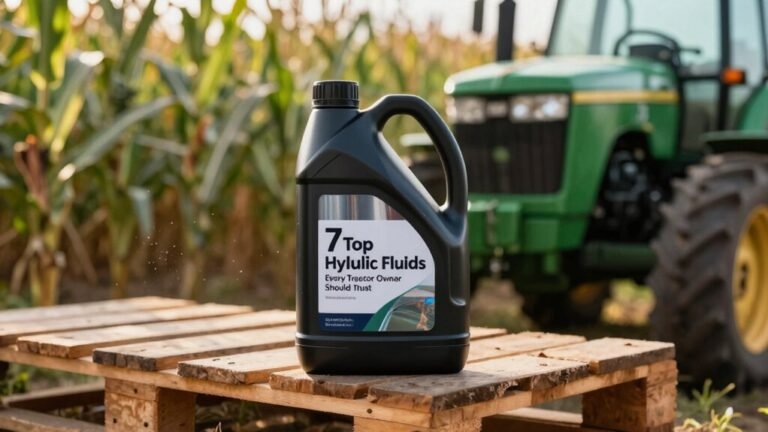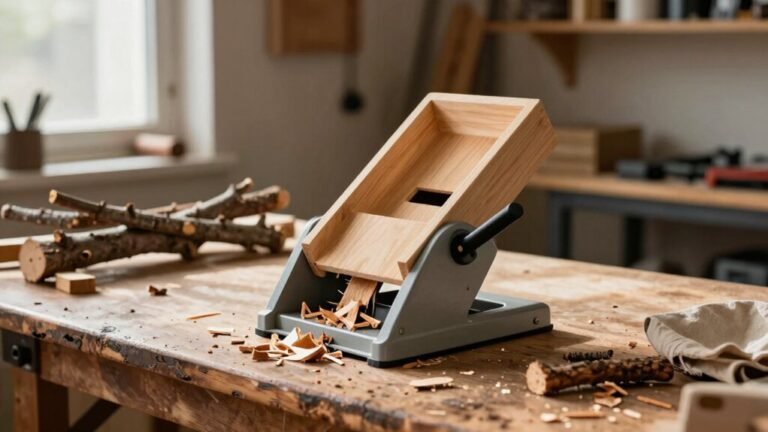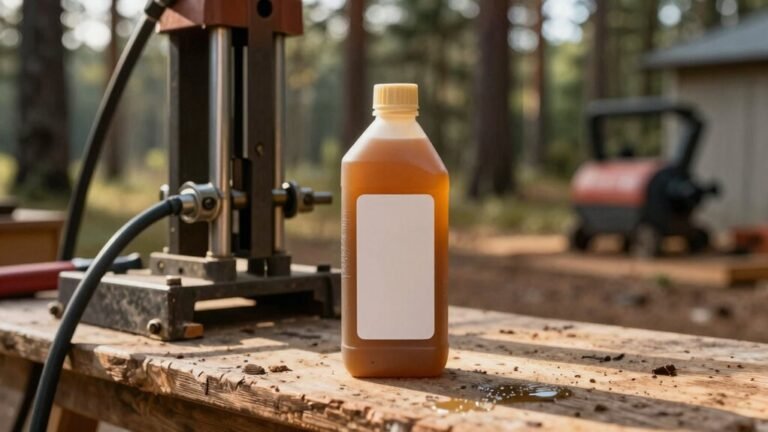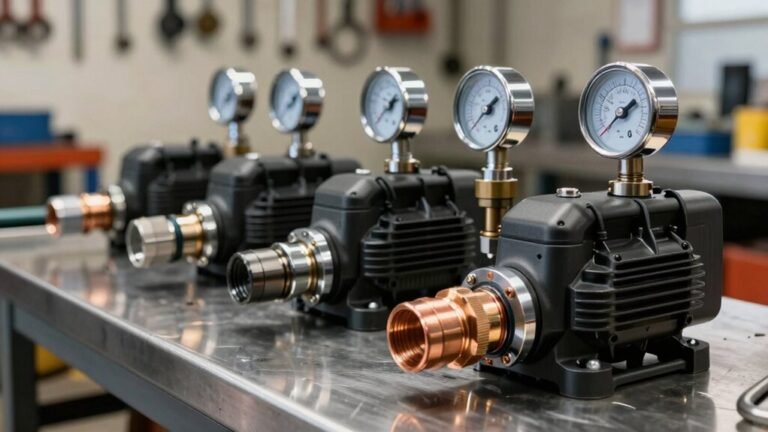
Yes, hydraulic fluid’s compressible—and you’re losing feed roller power because of it. When air sneaks into your system, it makes things worse: just 1% entrained air drops your bulk modulus to 25% of normal. Cold fluid thickens and causes lag; heat thins it and triggers pressure spikes. You’ll spot trouble through sluggish roller response, jerking motions, or milky fluid. The fix? Keep oil at 40–60°C, change it every 50 hours, inspect for air pockets, and use synthetic ISO VG 32–46 fluid matched to your climate. Proper maintenance restores consistent cutting force and peak performance, but there’s more to preventing compressibility from sabotaging your chipper.
Why Compressibility Kills Feed Roller Speed
If you’ve ever noticed your log splitter or chipper slowing down mid‑cycle, or felt the hydraulic system respond sluggishly when you needed quick action, there’s a good chance compressibility is working against you—and you probably didn’t even realize it.
Here’s the thing: when your hydraulic fluid compresses, it loses volume. That air loss means less fluid reaches your feed roller actuator, directly killing your speed and cycle efficiency. You’re losing power transmission efficiency because energy gets stored in that compressed fluid instead of pushing your roller forward. The bulk modulus—your fluid’s resistance to compression—drops even further when air enters the system at lower pressure points. Result? Your chipper feels sluggish, your cycle times stretch out, and you’re left wondering why your equipment’s performance tanked. This effect is amplified in systems that rely on a pulsating surge from a hydraulic ram pump, which can introduce additional pressure fluctuations that exacerbate compressibility issues. Regular fluid testing can detect moisture contamination before it degrades performance. Using a corrosion‑resistant hydraulic oil helps protect metal components from the acidic by‑products that can form when water mixes with the fluid.

PREMIUM HYDRAULIC OIL: AW 32 grade hydraulic fluid designed for high-performance hydraulic systems and industrial equipment
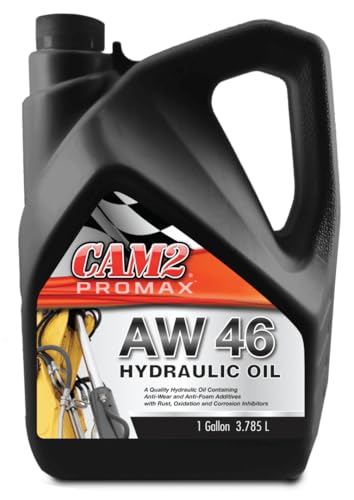
PREMIUM QUALITY: AW 46 hydraulic oil formulated with anti-wear and anti-foam additives for superior performance and equipment protection
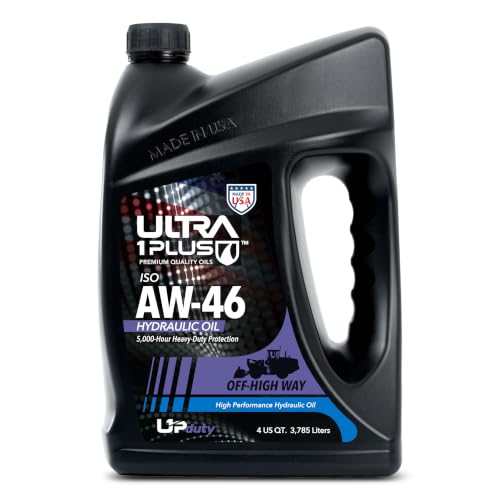
SUPERIOR ANTI-WEAR PROTECTION: Advanced iso 46 hydraulic oil formula with AW additives shields vane, piston, and gear pumps from friction. Extends life and reduces downtime in industrial equipment.
Spotting Compressibility Problems Before They Worsen
Now that you understand how compressibility sabotages your equipment’s performance mid-cycle, the real question becomes: how do you catch these problems before they spiral into expensive repairs?
Start with visual inspections. You’ll want to check your fluid regularly—milky or cloudy appearance screams water contamination, while dark discoloration signals fluid aging. Look for foaming or sludgy texture too, which indicates air entrainment. Since liquids are nearly incompressible, any deviation from normal fluid behavior warrants immediate investigation.
Listen closely during operation. Whining, knocking, or gurgling noises from your pump suggest air compression or leaks. Temperature matters as well—fluid above 180°F damages seals and increases compressibility.
Watch your wood chipper’s performance. Sluggish cylinder response or jerking motions? That’s your cue to investigate. Routine air diffusion checks from your tank prevent compressibility escalation before expensive damage occurs. Also, store hydraulic fluid away from heat sources to minimize fire risk.
A fresh batch of hydraulic fluid typically has a sweet petroleum-like odor that can help you verify its condition.
Consider using personal protective equipment to guard against accidental skin contact and inhalation.
How Air Increases Compressibility and Reduces Power
Air is roughly 10,000 times more compressible than hydraulic oil. Here’s the thing—even tiny air bubbles dispersed throughout your fluid create real problems. These air bubbles act like invisible cushions, absorbing pressure that should be doing actual work on your wood chipper or log splitter. The result? Significant power loss. When you’ve got just 1% entrained air, your system’s bulk modulus drops to about 25% of its normal value. That means your hydraulic fluid becomes squishy instead of rigid. Your pump works harder, pressure builds slower, and you’re not getting the cutting or splitting force you paid for. The effect hits hardest at lower pressures, which is exactly where most portable equipment operates. Bottom line: air in your system steals performance you can’t afford to lose. Moisture detection can be performed using a simple visual inspection or a moisture meter to prevent further issues. Leaf blowers can reach noise levels that exceed safe exposure limits, making hearing protection essential. Proper viscosity control helps maintain consistent performance across temperature variations.

【High-Quality Materials】:The brake bleeder kit is constructed with high-strength ABS engineering plastic and oil-resistant rubber. The syringe features clear, wear-resistant graduations, while the liquid guide tube is flexible, corrosion-resistant, and anti-aging, ensuring stable performance for long-term repeated use.
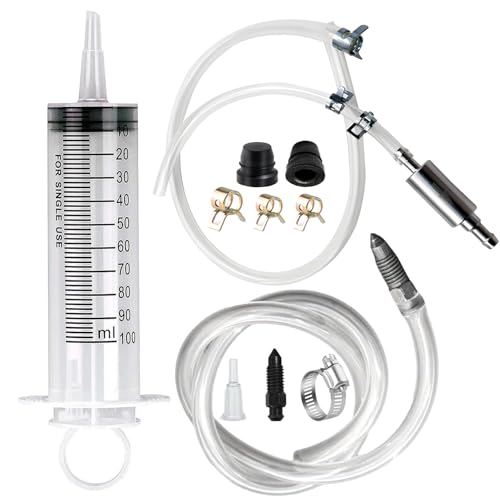
HYDRAULIC CLUTCH BLEEDER KIT: This kit includes a 100ml syringe, 30cm hose, adapter, pressure clamp, connector, valve, 15cm hose, 36cm hose, 3 clamps, and 2 M6/M8/M10 exhaust caps; this kit contains all necessary components from the adapter to the hose, and is an ideal solution for a complete replacement of brake and clutch oil fluids

【High-Quality Materials】:Crafted from industrial-grade engineering plastics, this brake bleeder kit delivers high impact resistance, excellent abrasion and corrosion protection, along with lasting flexibility. Its sturdy build and reliable seals ensure stable performance through repeated maintenance tasks.
Temperature’s Impact on System Responsiveness
While air pockets are sabotaging your system’s power, there’s another sneaky culprit working against you—and it’s something you can’t see coming until your equipment starts acting up. Temperature swings mess with your hydraulic fluid’s ambient viscosity, throwing your whole system out of whack.
Cold mornings? Your fluid thickens up, causing system lag and pump cavitation that’ll make your chipper sluggish. Heat spikes trigger thermal expansion and oil degradation, thinning your fluid until it bypasses critical components. You’ll notice pressure spikes, flow turbulence, and seal leakage as temperature gradients stress your seals and cause material fatigue.
Keep your equipment in that sweet 40-60°C range, and you’ll avoid these headaches entirely. Maintaining fluid within this range also prevents excessive thermal breakdown which can compromise hydraulic performance. Understanding hydraulic fluid freeze points helps you plan storage and pre‑heat strategies for winter use. Regularly checking hydraulic fluid temperature can reveal early signs of system overheating before damage occurs.
Hidden Compressibility in Hoses, Seals, and Valves
Beyond the fluid itself, you’ve got sneaky compressibility happening in places most folks never think about—and honestly, that’s where a lot of system problems hide. Your hoses don’t stay perfectly rigid under pressure; their elasticity actually compresses alongside the fluid, adding real compressibility to your whole system. Seals are sneaky too—when you switch hydraulic fluids, seal swelling or shrinkage happens depending on compatibility, which changes how they compress and function. Even your valves contribute to this hidden elasticity. Together, these components can markedly reduce your system’s effective bulk modulus, meaning your chipper or splitter responds slower than you’d expect. The takeaway? It’s not just the oil that’s compressible—your equipment’s parts are quietly compressing too, affecting performance in ways most people miss. Proper hose selection and material‑specific construction can significantly mitigate these effects. Regularly inspecting for air pockets can prevent cavitation and maintain consistent pressure. Selecting the correct pump flow rate ensures the system can overcome the added compressibility.
Selecting Low-Compressibility Hydraulic Fluid for Your Climate
Once you understand how much your hoses and seals are secretly compressing alongside the fluid itself, you’ll realize that picking the right hydraulic fluid for your climate becomes even more critical—because the fluid you choose directly affects how all those components respond together. Here’s the thing: your climate selection matters tremendously. In cold regions, you’ll want synthetic hydraulic fluids with proper viscosity tuning to maintain performance without freezing. Warmer climates demand fluids that won’t thin out excessively, since compressibility increases roughly 30 percent when temperatures rise from 20°C to 100°C. The good news? Choosing the right fluid for your specific climate reduces volume loss, improves actuator response, and keeps your wood chipper operating predictably year-round. Additionally, using a fluid within the recommended ISO VG 32‑46 range for residential units helps ensure optimal viscosity and compressibility. Amsoil’s synthetic formulation provides enhanced temperature stability that further mitigates compressibility issues in extreme conditions. Selecting the appropriate fluid also aligns with equipment specifications to maximize performance and longevity.

ALL ASIAN CAR COVERAGE: Fully compatible with all Asian vehicles, including Subaru, Honda, Toyota, Lexus, Acura, and Mitsubishi

Premium synthetic blend hydraulic steering fluid for marine applications.
Premium Anti-Wear Protection
Maintenance Checks That Restore Peak Feed Roller Power
If you’ve noticed your wood chipper’s feed roller slowing down, slipping on stubborn branches, or moving at speeds that seem to have a mind of their own, you’re probably looking at a maintenance issue that’s totally fixable—and you don’t need a professional to handle it. Start by checking your drive chain tension, aiming for roughly half an inch of give in the middle. While you’re at it, inspect crowned rollers for wear past an eighth inch and swap them out if needed—they’ll restore about 40% of your grip strength. Don’t skip your grease schedule either. Regular lubrication on your PTO shaft and feed roller shaft prevents parts from drying out. Change oil after the first eight hours, then every fifty hours. If your feed roller still stops rotating when processing dense material, the issue may stem from trapped air in the hydraulic motor, since hydraulic fluid is incompressible and air pockets can interrupt power transmission to the infeed roller. These simple checks’ll get your feed roller firing on all cylinders again. Understanding the viscosity stability of your fluid can help prevent performance loss under varying temperatures. Proper pressure regulation ensures the cylinder delivers consistent cutting force.