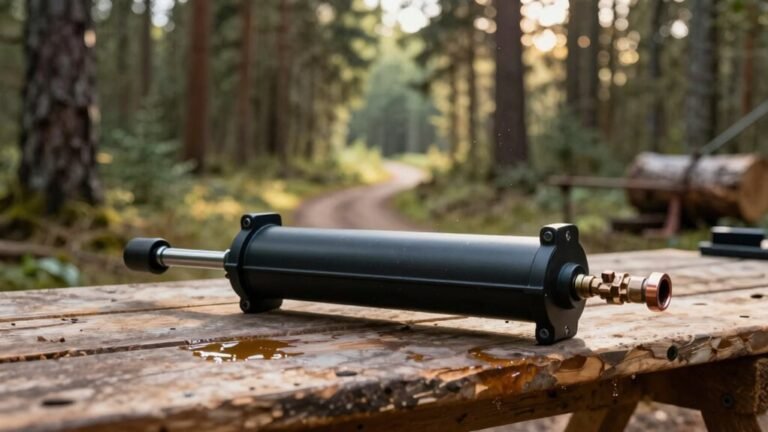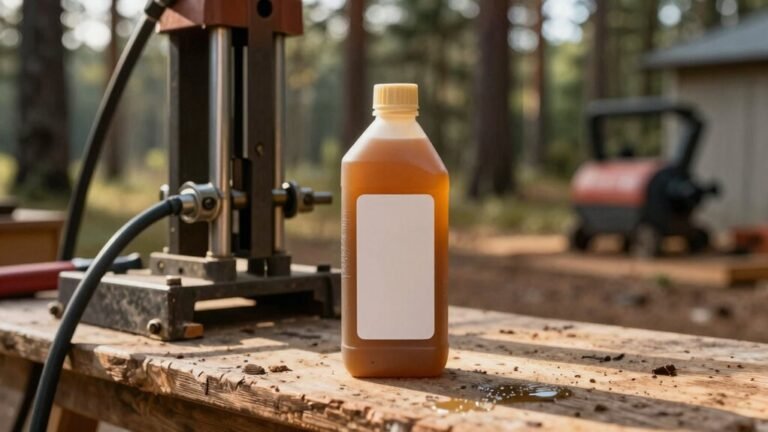
Your wood chipper or log splitter’s hydraulic cylinders rely on several seal types working together—and when one fails, you lose power and start leaking fluid fast. Piston seals control pressure inside the cylinder, rod seals stop leaks at the shaft, and buffer plus wiper seals protect everything from contamination and pressure spikes. Matching the right seal material to your machine’s operating temperature and pressure range keeps your equipment running strong for years.
Common Seal Failures in Wood Chippers and Log Splitters
Contamination damage happens fast. Shop debris, wood splinters, and dust infiltrate your cylinders, embedding in seal materials and creating grooves with each stroke. One tablespoon of dirt can ruin your entire system’s seals. Meanwhile, heat hardening cracks seals from the inside out. High-speed operations and friction at the seal interface push temperatures above safe limits, stiffening rubber until it fractures and loses pressure.
Both failures leave you leaking fluid and stranded mid‑job. Proper ventilation and spill containment prevent environmental contamination during fluid leaks. Regular fluid testing can reveal discoloration early, allowing timely maintenance. Using a hydraulic fluid with low water solubility helps protect metal components from corrosion.
Match Pressure and Temperature to Seal Type
Once you’ve figured out what’s killing your seals, it’s time to match the right material to your actual operating conditions—because here’s the thing, you can’t just grab whatever seal’s cheapest and hope for the best.
Your wood chipper or log splitter runs hot and works hard. Most of these machines operate around 90–100°C with pressures hitting 250 bar or beyond. That’s where Nitrile Rubber (NBR) or Hydrogenated Nitrile Rubber (HNBR) shine for typical homeowner-grade equipment—they’re affordable and handle that sweet spot perfectly.
When you’re dealing with heavy-duty work or higher temperatures, material cost climbs, but so does reliability. Polyurethane or Viton seals cost more upfront, yet they’ll outlast cheaper alternatives. Proper seal sizing paired with the right material means fewer leaks, less downtime, and genuine peace of mind on your property. Selecting the correct viscosity grade 32–46 cSt is essential for maintaining optimal hydraulic performance. Using the proper hydraulic fluid helps protect seals from premature wear. Understanding hydraulic pressure limits is also crucial for preventing seal failure.
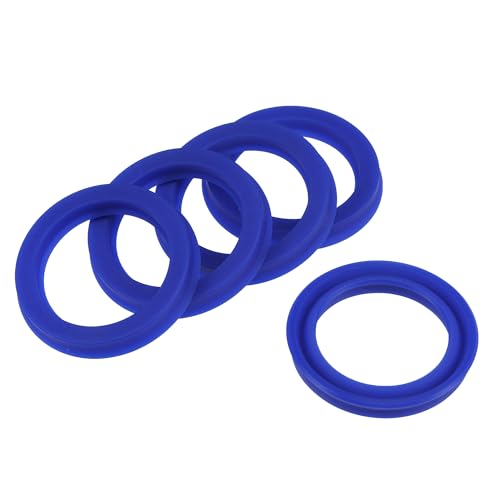
√ MULTIPURPOSE - Our oil seals are great for industry, and workshops, suitable for industrial hydraulic cylinders, cylinders, hoists, guide moving rods, piston pull rods, and one way piston seals in static pressure.

PREMIUM QUALITY COMPONENTS: Each seal and component is manufactured using high-grade materials engineered for 2500 PSI performance. Ensures reliable sealing and extended service life under demanding industrial applications.

FITMENT: This Hydraulic Cylinder Seal Kit fits for case 1543252C1 G109452 G105548, use with oem cylinder numbers: G101183, G101189
Piston Seals: Where the Real Control Happens
Now that you’ve got the right seal material locked in for your specific operating conditions, it’s time to talk about the seal that actually does the heavy lifting—the piston seal. This is where your hydraulic torque translates into real splitting or chipping power. Your piston seal prevents fluid from leaking past the piston head, maintaining that essential pressure differential that drives controlled movement. Here’s the thing: seal orientation matters enormously. You’ve got to get it facing the right direction, or you’re looking at slow leaks and drastically reduced power. Take photos before disassembly and mark everything clearly. When you’re reinstalling, seat that seal evenly and verify it’s oriented correctly. This method of careful seal placement applies just as well to blade lift mechanisms as it does to log splitter cylinders. Get this right, and your equipment performs like it should. Proper viscosity stability ensures consistent performance across temperature variations. Remember to follow the air purging procedure when bleeding the system to avoid trapped air that can compromise seal effectiveness.

Efficient & Convenient – The Hydraulic Vertical Jack Oil Pump Cylinder Piston Plunger is perfect for maintaining your jack’s performance, offering a reliable and efficient solution for vehicle maintenance.

PACKAGE: 1 pack of vertical jack oil pump (including oil core, oil pump, oil seal)

Old Style 55mm Oil Pump Assembly: Package includes 1 set of bottle jack oil pump: oil pump body, pump plunger and oil seals. 55mm length, compatible with most under 20 ton old-style hydraulic bottle jacks, ideal replacement for worn original pump.
Rod Seals: Stopping Leaks Before They Start
While your piston seal keeps pressure building inside the cylinder, there’s another critical player working just as hard on the outside—the rod seal. This is your leak prevention workhorse, stopping hydraulic fluid from escaping every single time that rod cycles in and out.
You’ve got options here. Lip seals work great for lower-pressure setups, while U-Cup seals handle the heavy-duty stuff your wood chipper or log splitter demands. The key to avoiding rod seal wear is choosing materials that match your conditions—polyurethane’s your best friend for abrasion resistance and durability.
Here’s the thing: proper installation with anti-extrusion rings and relief pads makes all the difference. Rod seals feature a primary seal made of hard material like PTFE paired with a secondary softer seal that faces reduced pressure, ensuring optimal leak prevention across varying load conditions. Get this right, and you’ll keep your system running tight and leak-free through years of hard use. Understanding hydraulic fluid flammability helps prevent fire hazards when leaks occur. The hydraulic ram’s pulsating surge can also be harnessed to drive the piston in low‑energy applications.

Widely used in the hydraulic cylinder to prevent dust, dirt, sand, and metal debris from entering, and easy to install

Cross Section Type: UN Shape; Hardness: A90; Width: 8 mm / 0.31 inch; Inner Diameter: 50 mm / 1.97 inch; Outer Diameter: 60 mm / 2.36 inch; Working Temperature Range: -20°C to 100°C (-4 °F to 212°F); Working Pressure Range: Less Than 35 MAP; Package Content: 5 Pcs x Lip Seal

√ MULTIPURPOSE - Our oil seals are great for industry, and workshops, suitable for industrial hydraulic cylinders, cylinders, hoists, guide moving rods, piston pull rods, and one way piston seals in static pressure.
Buffer and Wiper Seals: Extending Cylinder Life
You’ve got your piston seal building pressure and your rod seal keeping fluid from leaking out—but there’s a sneaky problem lurking that’ll destroy both of them if you’re not careful. Pressure spikes and contamination are constantly threatening your seals’ survival.
That’s where buffer and wiper seals step in. Your buffer seal absorbs those sudden pressure spikes before they hammer your rod seal, while controlling oil flow for proper wiper lubrication. Think of buffer dynamics as your system’s shock absorber—it smooths out the violence happening inside your cylinder.
Meanwhile, your wiper seal clears away dirt and debris during each stroke. Together, they’re a tag-team that extends your rod seal’s life dramatically. The good news? Adding these protective seals costs almost nothing compared to replacing a ruined cylinder on your wood chipper or log splitter. Bleeding without a valve can be performed safely using a clear hose and systematic cycling to remove trapped air. Properly cylinder cleaning before reassembly helps prevent premature seal wear. Always check fluid level before operating to ensure the system stays properly lubricated.
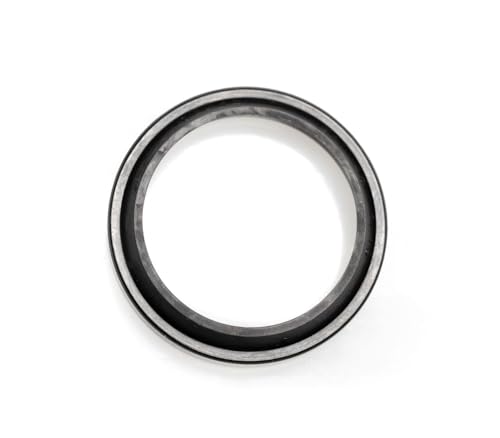
SUPERIOR QUALITY and DURABILITY: Our EAI Wiper seals are engineered from high strength Nitrile Rubber and encased in a heavy-duty Carbon Steel Case for excellent abrasion resistance and reliable performance in difficult operating conditions.


OEM Numbers Are Provided for Reference Only. Please Verify Fit Prior To Ordering.
Choosing Seal Materials for Harsh Environments
Your buffer and wiper seals are only as good as the material they’re made from, and here’s the thing—not all seal materials handle the punishment that wood chippers and log splitters dish out. Polyurethane’s your best bet for these machines because it handles abrasion wear like a champion, resisting the constant grinding from wood particles and debris. It also excels under pressure cycling, which is exactly what happens when you’re splitting logs repeatedly.
For chemical compatibility, you’ll want polyurethane that works well with standard hydraulic fluids. The good news is it maintains elasticity down to -45°C, so you’re covered even during early‑morning winter sessions. When you pair PU seals with PTFE backup rings, you’ve got real durability that won’t quit. Proper hose routing prevents chafing and premature wear hydraulic hose routing during installation. Selecting the right hydraulic fluid also influences seal life, as fluids with proper viscosity range reduce heat buildup and wear. Choosing the right power source can significantly affect overall performance battery technology.
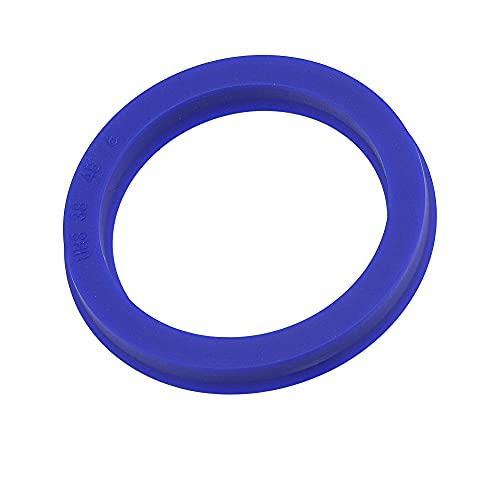
Widely used in the hydraulic cylinder to prevent dust, dirt, sand, and metal debris from entering, and easy to install
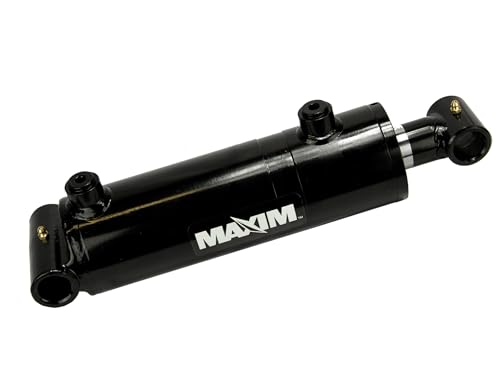
Durable Construction: The Maxim WT Cylinder boasts a robust construction with a piston crafted from ductile iron ASTM A536 65-45-12, ensuring outstanding longevity and exceptional performance in demanding environments.
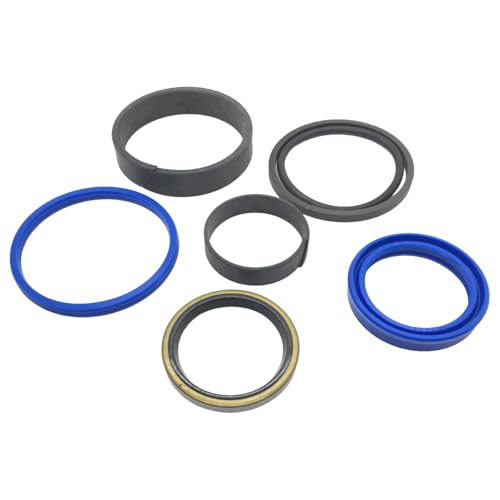
[Precise Fit]: Compatible with New Holland IH-Case models: 18LA 260TLA 270L L360 L360A LX118 & LX360 (See full fitment ad cylinders below).
Select Your Ideal Seal Configuration
Now that you’ve got the right material, it’s time to figure out which seals actually belong in your machine—because picking the wrong configuration is like showing up to split logs with a dull axe.
Your seal selection depends on what your wood chipper or log splitter demands. Single-acting cylinders need piston seals with external returns, while double-acting setups require symmetrical seals handling force both directions. Don’t skip buffer seals in high-duty cycles; they’re your insurance policy against premature wear. Pair rod seals with wiper seals to block contaminants that’ll trash your system.
Here’s the thing: guide rings matter too. They prevent metal-to-metal contact and keep everything aligned under stress. Match your configuration to your maintenance schedule. The right setup means fewer repairs and longer equipment life. In extreme cold, hydraulic fluids can freeze, so prevent fluid solidification is essential for reliable operation. Always check fluid level before starting to avoid low‑pressure issues. Noise level differences between Stihl and Echo can also influence your choice of seal design.