Act fast: blot the spill with paper towels, then cover it with a dry‑powder absorbent like kitty litter or a commercial oil‑sorbent and press gently. Sweep up the saturated material and discard it. Spray a concrete‑safe degreaser (PROSOCO DailyKlean or Simple Green), let it sit 20‑30 minutes, then scrub with a stiff brush and rinse with hot water—avoid excessive water to keep the fluid from soaking deeper. Once the surface is dry, check for slick spots; if any remain, repeat the degreasing. Finally, seal the concrete with a penetrating silicate sealer to keep future leaks from penetrating. The good news is that following these steps will get your driveway or workshop floor back in shape, and the next section shows you how to keep it protected long‑term.
Identify Causes of Hydraulic Fluid Stains and Act Quickly
When hydraulic fluid lands on a concrete pad, the first thing that happens is the liquid slips into the material’s tiny pores and capillaries—basically the concrete acts like a sponge. You’ll notice the cause source is often a leaf blower or log splitter that leaks oil, and the rapid absorption means the stain spreads before you even see it. The porous nature of untreated concrete pulls the fluid deep, so blotting right away is essential. Rough, unsealed surfaces draw the oil in minutes, making simple washing useless. Remember, the good news is that acting within those first minutes limits how far the fluid penetrates, keeping your driveway or workshop floor from turning into a permanent dark patch. Gentle blotting helps prevent the stain from setting deeper into the concrete. Using fire‑resistant hydraulic fluid can further reduce the risk of ignition if a spill occurs near hot equipment. Using the proper hydraulic fluid prevents damage to seals and pistons.
Gather the Right Absorbents for Hydraulic Fluid
The first thing you’ll want to do after a hydraulic‑fluid spill is grab the right absorbent, because the longer the fluid sits, the deeper it seeps into the concrete’s pores. For abs product selection, start with a dry‑powder option like ACT; it pulls the fluid up fast and even breaks down hydrocarbons, meaning a low environmental impact. If you need something rugged, PIG pads and granules give high wet strength and resist tearing, perfect for shop floors. Kitty litter is an inexpensive, readily‑available backup that works when you leave it on the spill a while. Zep’s 3‑lb bags replace heavy clay and keep runoff low, while Safety‑Kleen lines handle big splashes without harming plants or pets. Choose the material that matches your spill size and eco goals. Spill Hero absorbs 92.65 g of oil per cup, offering a cost‑effective option for larger spills. The incompressibility of hydraulic fluid ensures that the absorbent can capture the oil efficiently without the fluid rebounding into the concrete. Proper disposal also helps you comply with local environmental regulations and protects groundwater from contamination. Always wear appropriate PPE to prevent skin contact and inhalation.
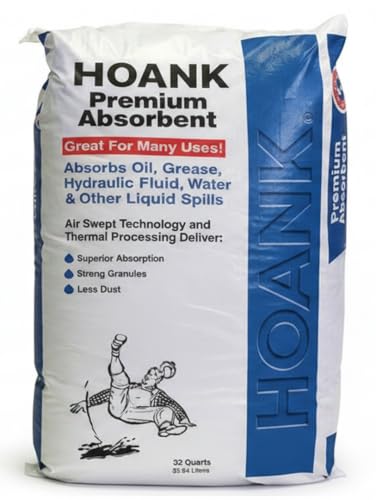
VERSATILE ABSORBENT: Effectively absorbs oil, grease, hydraulic fluid, water, and other liquid spills for a wide range of cleanup applications.


100% natural mineral and NSF registered
Apply a Quick‑Absorb Technique for Hydraulic Fluid
A quick‑absorb technique starts with getting a dry, absorbent material on the spill before it has a chance to soak deeper into the concrete. You spread cat litter, diatomaceous earth, or sawdust over the fresh stain, pressing gently so the powder contacts every drop. The good news is that this dry sorption gives you immediate blotting efficiency—no water, no mopping, just dry suction that pulls the fluid up before it seeps into pores. Work quickly; the longer you wait, the deeper the fluid penetrates, compromising quick‑absorb safety. Sweep the saturated material into a dustpan, discard it, and repeat if a residue remains. This simple step sets the stage for any later treatment. Early intervention prevents fluid from entering storm drains. Proper removal of moisture from hydraulic fluid is essential to avoid corrosion and reduced efficiency in wood chippers and log splitters, so consider using a centrifuge dryer to extract water before it causes damage. Regular fluid testing can reveal discoloration early, allowing timely corrective action.

OIL DRY ABSORBENT FOR CONCRETE & DRIVEWAY: Soaks up motor oil, gasoline, diesel, hydraulic fluid and grease on garage floors, driveways, asphalt, shop and warehouse floors. Fast-acting granules lock the spill in on contact.

Traps and encapsulates liquids in a matter of seconds

The information below is per-pack only
Apply a Degreaser for Hydraulic Fluid Before Scrubbing
If you’ve already blotted up the excess with a dry‑absorb method, the next step is to let a degreaser do the heavy lifting before you start scrubbing. Choose a degreaser that matches the stain’s severity—PROSOCO DailyKlean ULTRA 15 works for light oil, while PROSOCO ReNew penetrates deeper pores for stubborn hydraulic fluid. Spray the product directly onto the stain, give it a 30‑minute dwell, then agitate with a push broom. Safety precautions are key: wear gloves and eye protection, keep the area ventilated, and avoid caustic formulas with sodium hydroxide on fresh concrete. If you’re worried about strength, dilute Goof Off to 1‑2 oz per gallon; otherwise, use full strength for heavy contamination. This prep makes the later scrubbing far easier. Oil‑Stain removal is a high‑profit upsell that can be offered before work begins to increase revenue. Recognizing the sweet petroleum‑like odor of hydraulic fluid can help confirm the source of the stain. Properly bleed the hydraulic system before cleaning ensures no residual pressure can cause splashing during the degreasing process.
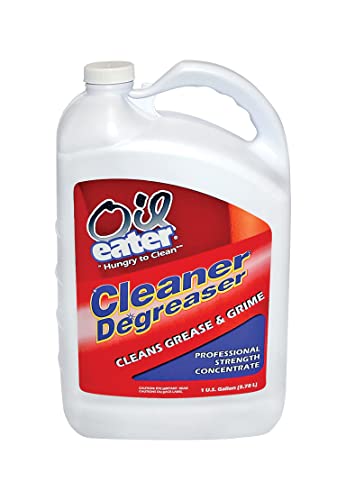
Powerful Cleaning: Dissolves Grease, Oil And Dirt From Any Washable Surface

Easy to use - pour on, let dry, then sweep up

HEAVY DUTY CONCENTRATED FORMULA: Concentrated formula that cuts through tough dirt, grease, and oil stains fast, designed to tackle built-up grime on hard surfaces
Scrub, Rinse, and Pressure‑Wash Safely on Any Concrete
Once the degreaser has done its job, you’ll want to get that stubborn hydraulic fluid out of the concrete before it sets in deeper. Grab a stiff brush or broom and work it in for about twenty minutes, using a baking‑soda‑and‑water paste or a grease‑cutting dish detergent to loosen the oil. Rinse the area with a hose, preferably using hot water to help separate the oil from the pores. For eco safety, choose biodegradable cleaners and keep runoff contained to protect nearby soil and waterways, reducing environmental impact. When the surface looks dull, switch to a pressure washer: run a surface cleaner over the treated spot, apply a second coat of cleaner, then pressure‑wash at a moderate setting. Wear gloves and goggles, and you’ll see a clean line appear instantly. Always wear protective gloves when handling hydraulic fluid to prevent skin irritation. Hydraulic fluids can contain additives that accelerate metal corrosion if not promptly removed.
Remove Residue, Dry, and Verify Stain Removal
After you’ve scrubbed and pressure‑washed the spot, the next step is getting rid of any leftover residue, letting it dry, and making sure the stain is truly gone. First, sweep up the dry powder from the absorbent material with a stiff brush or broom—avoid water so you don’t push anything deeper. Apply a high‑concentration Simple Green or a caustic degreaser, let it sit, then agitate after about 20 minutes. Once the chemicals have set, let the area dry completely; you’ll see a powdery finish before you brush it away. For dry verification, run your finger across the surface and check for slickness. Finally, do a stain assessment by comparing the treated line to untreated concrete and repeat the process if any oily residue remains. The team used a PVC‑based cleaner to pre‑treat the hydraulic oil stain before surface cleaning. Using the wrong fluid can cause seal damage and corrosion in hydraulic equipment. Hydraulic fluid can cause skin irritation and respiratory issues if not handled with proper protective equipment. The pump’s pressure surge can also be harnessed for low‑energy mechanical tasks.
Seal and Protect Concrete to Prevent Future Hydraulic Damage
When you finish cleaning up that oily hydraulic spill, the next step is to seal the concrete so the same mess won’t soak in again. First, make sure the surface is completely dry and free of dust, old sealer residue, and any remaining stains. Fill cracks with polyurethane resin or hydraulic cement, then smooth them with a putty knife. Test for prior sealing by pouring a little water—if it beads, you’re good; if it absorbs, you need to strip the old coat. Use a chemical stripper, scrub with TSP, and vacuum thoroughly; let it dry 24 hours. Then apply a penetrating sealer, like a silicate, followed by a Densifier application. Thin, even coats work best, and you’ll see the concrete become a hard, water‑repellent barrier that resists future hydraulic fluid damage. A proper fluid level check should be performed before any sealing work begins. Always wear safety goggles and gloves when handling chemicals, and keep a fire extinguisher nearby in case of accidental ignition. Hydraulic fluid can be hazardous if inhaled, so ensure proper ventilation during the cleaning process. Properly sized hydraulic pump ensures consistent pressure for effective cleaning and sealing.

CLEAR PROTECTION FOR CONCRETE: This clear penetrating concrete sealer provides invisible, non-glossy protection for driveways, sidewalks, and patios without changing color or appearance.
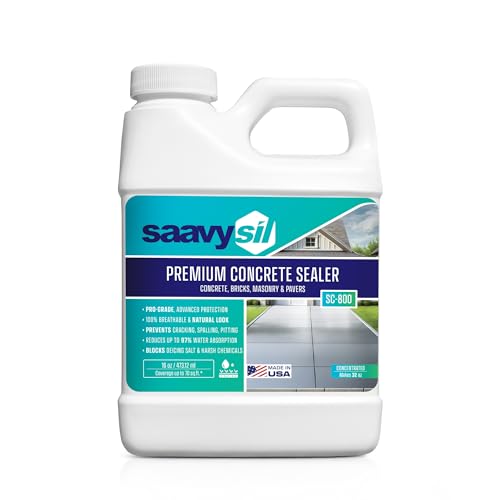
Ideal for Multiple Surfaces: Suitable for sealing concrete, walkways, patios, bricks, and decorative objects like benches, fountains, and birdbaths. Provides durable surface protection.

SCS Certified INDOOR ADVANTAGE GOLD
Troubleshoot Common Issues After Hydraulic Fluid Cleaning
Sealing the concrete is only half the battle; the real headache shows up when the stain or residue refuses to quit after you’ve cleaned it. First, double‑check your safety protocols—gloves, goggles, and ventilation are non‑negotiable, especially when you’re re‑applying degreaser. If the discoloration persists, you probably need a second coat and a longer dwell time; let the formula sit 5‑10 minutes before rinsing, then repeat. Powdered absorbent left on the floor can trap oil particles, so sweep and scrub thoroughly. Keep your equipment maintenance schedule tight: clean spray nozzles, replace worn brushes, and inspect hoses for leaks. Finally, monitor the surface for new cracks; early damage can let fluid seep deeper, turning a clean‑up into a long‑term repair. Immediately stop the flow of hydraulic fluid to prevent further contamination. Use a clear hose to vent air when bleeding the cylinder without a dedicated bleeder valve.

Concentrated so you get more from a gallon

Heavy duty cleaner and degreaser specially formulated to meet the unique needs of the mining industry.

MEETS OR EXCEEDS ALL OEM SPECS: Compatible with John Deere J20C, Kubota UDT, Kubota UDT2, Kubota Super UDT2, Ambra Multi-G, CASE MAT 3525 UTTO, Akcela HY-TRAN Ultra, John Deere Hygard, CAT TO-2, Komatsu, Massey Ferguson, and all other OEM tractor hydraulic and transmission fluids; Variable viscosity SAE 80 (ISO 32/46)