Cold hydraulic fluid acts like syrup, so your wood‑chipper or splitter feels sluggish, draws extra power, and the pump can strain as the fluid thickens below freezing. In hot weather a fluid that’s too thin (like ISO VG 32) loses its lubricating film, causing the pump to overheat and wear seals faster. Aim for a multigrade oil around ISO VG 46‑68; it stays thick enough when it’s cold and thin enough when it’s hot, keeping pressure stable and temperature in check. Watch the gauge for >140 °F, listen for grinding, and sniff for burnt oil to catch overheating early. Keep the tank full, filter clean, and change oil every 50‑150 hours, and you’ll keep the system humming year‑round—there’s plenty more detail ahead.
How Does Cold Fluid Temperature Affect Splitter Performance?
When the temperature drops below freezing, the hydraulic fluid in your splitter starts to thicken like syrup, and that’s the first thing that slows everything down. You’ll feel cold‑induced lag as the pump struggles, consuming more power while the cylinders crawl. The viscous fluid clogs tiny valve passages, so pressure builds slowly and you hear a sluggish hiss instead of a crisp snap. That extra resistance creates viscosity‑driven wear on seals and pistons, especially when the fluid freezes water into ice crystals. Your splitter’s response time stretches, and the logs that once fed easily now resist. The good news is a winter‑grade fluid or pre‑heating can cut the lag and protect the components. The hydraulic fluid thickened at –2 °C prevented the pump from operating until the garage warmed. Operators should also wear chemical‑resistant gloves to prevent skin exposure to potentially toxic hydraulic fluid. Selecting the appropriate low‑temperature viscosity fluid ensures the system remains operational even in sub‑zero conditions. Regular fluid testing can detect early signs of contamination before performance degrades.

SAM Low-Temperature Blue Hydraulic Fluid is rated at -50°C.

Premium quality, excellent hydrolytic stability, high viscosity index (HVI) anti-wear hydraulic oil that offers superior low temperature fluidity and pumpability

Meets and exceeds all OEM specifications for power shift transmissions
Which Viscosity Grade Controls Hydraulic Fluid Temperature in Hot Weather?
Ever wonder which oil grade keeps your splitter from turning into a hot‑oil slosh‑fest? In hot weather you need a viscosity grade that resists thinning, and that’s where ISO VG 68 shines. Its higher viscos index (VI) means it holds its thickness longer as temperatures climb, giving you solid temperature control and protecting pumps, valves, and cylinders from bypass. ISO VG 46 works too, but 68 stays thicker at 60 °C (around 30 cSt versus 20 cSt for 46), so you’ll see less wear and less energy loss. Avoid ISO VG 32; it drops to a watery 15 cSt at 60 °C and can’t keep a lubricating film. Pick a high‑VI fluid, and your splitter stays cool and efficient even on scorching days. Properly maintaining fluid viscosity also ensures the system meets the required hydraulic performance standards. Using the correct viscosity grade helps match the chipper’s design specifications and prolongs component life.
Which Low‑Viscosity Oil Keeps Hydraulic Fluid Temperature Low in Cold Weather?
If you’re battling sub‑zero mornings with a wood splitter or log chipper, the right low‑viscosity oil can mean the difference between a smooth start‑up and a frozen‑up pump. A synthetic base oil paired with viscosity modifiers is your best bet. Synthetic bases stay fluid down to –45°C or lower, so the pump never seizes. Viscosity modifiers keep the oil from thickening as temperature swings, preserving flow at –40°C and even –62°C in arctic blends. Look for products that boast a high viscosity index and a pour point below –45°C—think HVI or Arctic Low Pour formulas. These oils also carry anti‑wear agents and antioxidants, protecting your pump while you crank through the cold. The good news is you’ll see a quick warm‑up and reliable performance all season. High VI oils resist thickening as temperature drops. Amsoil’s advanced synthetic formulation offers superior wear protection that extends pump life in extreme cold. Choosing a fluid with a compatible seal material rating ensures hoses and seals remain intact despite temperature extremes.

OEM John Deere Part Number TY22035 Replaces Prior MPN TY22038

MAG 1 Premium Snow Plow Hydraulic Oil is specially formulated with anti-wear additives protecting metal components of high pressure hydraulic systems.

Reduces the operating temperature of hydraulic systems
How Can You Detect Overheating When Hydraulic Fluid Temperature Rises?
A sudden jump in hydraulic fluid temperature isn’t something you can ignore, because it’s often the first sign that your wood chipper or log splitter is heading toward trouble. You’ll notice the digital gauge climbing past 140 °F, and if you have a thermal alarm it should start beeping. Keep an eye on the sensor—sensor drift can give a false low reading, so trust your eyes and the alarm. A burnt smell, darkened oil, or foaming fluid are clear clues. Sluggish cylinder movement, grinding noises, or low pressure also scream overheating. When you see any of these, shut down, let the system cool, and check for leaks, clogged filters, or low fluid levels before you damage seals or pumps. Corrosive hydraulic fluid can accelerate wear on metal components when temperatures exceed safe limits. Immediate flushing with clean water is essential if the fluid contacts skin, as it helps reduce the risk of chemical irritation and infection. Recognizing the sweet petroleum scent of hydraulic fluid helps differentiate normal odor from the metallic undertone that indicates overheating.
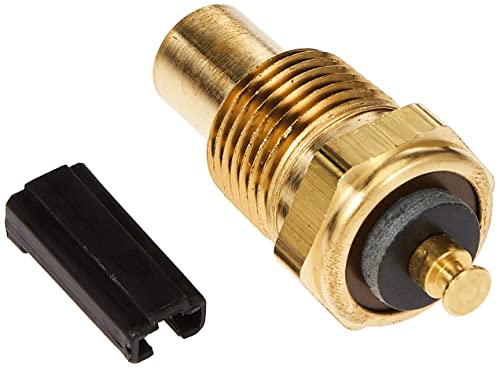
Professional, premium aftermarket replacement

FEATURE: This 1/8 Npt Temperature Sender Sensor For Coolant, Water, Oil, it is a one wire (Single Connection) sensor, one for the signal to the gauge the sensor is earthed through the thread when screwed into the engine/sandwich plate.

Replacement Part Numbers: The hydraulic temperature sensor replacement for 6727869 5024-0228. Compatible with Bobcat Wheel Steer Loaders: A220, A300, A770. Compatible with Track Loaders: 864, T110, T140, T180, T190, T200, T250, T300, T320, T450, T550, T590, T595, T630, T650, T740, T750, T770, T870, T76
How to Maintain Hydraulic Fluid Temperature Over Time?
Keeping your hydraulic fluid at the right temperature isn’t a set‑and‑forget task; it’s a daily habit that pays off in smoother operation and longer‑lasting equipment. Start each shift by checking the sight glass or dipstick, making sure the tank stays about 7/8 full. Top off with clean fluid filtered through a 10‑micron screen, and watch for leaks after you finish. Keep season pressure monitoring in mind—if the pressure spikes, the fluid is likely overheating, so you may need to add a cooler or let the machine rest. Prevent fluid aeration by tapping air filters gently, never blowing them, and keep seals greased to stop moisture from bubbles bubbles. Clean the tank and radiator fins regularly, replace filters during seasonal prep, and schedule oil changes every 50‑150 hours. This routine keeps temperature stable and your wood‑chipper or splitter humming happily. Check hydraulic oil level regularly to maintain optimal performance. Properly sized hydraulic pump ensures adequate flow and pressure for temperature control. Regularly inspect the hydraulic reservoir for contaminant buildup to avoid overheating and maintain fluid integrity. Read the dipstick before operating to confirm fluid is within the recommended range.
What Are the Ideal Fluid Grades and Temperature Limits for Wood‑Chipping Equipment?
When you’re picking a hydraulic fluid for a wood‑chipper or splitter, the key is matching the oil’s viscosity grade to the temperature range you’ll be working in. For most forest‑type gear, ISO 32 covers -20 °F to +50 °F, making it perfect for chilled pumps and frost‑free hydraulics when you’re in a cold climate. If you run into milder days, ISO 46 handles +25 °F to +70 °F, while ISO 68 is your go‑to for hot, temperature‑stable fluids in summer heat. Wood‑chipping rigs often use mineral oil, but Dexron III ATF (or Dexron VI/Mercon) works well in splitters that need a broader temperature window. Aim for a dynamic viscosity of 25‑36 cSt for efficiency, and remember that multigrade oils keep performance steady across the season. Maintaining proper fluid temperature prevents premature wear and the life of the hydraulic pump hydraulic fluid temperature]. Selecting the right fluid also reduces energy consumption and operational costs by minimizing heat buildup in the system. Proper storage of hydraulic fluid away from ignition sources is essential to avoid fire hazards.