
Hydraulic fluids don’t turn into ice at 32 °F, but once you dip below about –10 °F any moisture in the system will freeze, forming crystals that block passages, harden rubber seals, and make the oil so thick it behaves like syrup. That thickening spikes pump load, can cause cavitation, and may crack seals, leading to leaks and erratic valve action. The good news is a high‑VI, low‑pour‑point synthetic fluid stays fluid down to –40 °F, and a quick warm‑up with a block heater or idle run clears the viscosity. Keep the reservoir dry, bleed air, and you’ll avoid most cold‑weather hiccups—more tips await if you keep going.
Do Hydraulic Fluids Really Freeze at Sub‑Zero Temperatures?
When the temperature drops below zero, you might wonder if the hydraulic fluid in your wood splitter or log chipper will actually freeze solid. The good news is that most standard fluids start gelling around –10 °F, not at the ambient 32 °F freezing point. If water sneaks into the system, it can turn into ice crystals, causing flow‑path blockage and erratic valve action. Sealmalformation mechanisms also kick in: rubber seals harden, lose flexibility, and may crack, letting fluid leak and reducing efficiency. Even before the fluid fully solidifies, viscosity climbs, making pumps work harder and increasing cavitation risk. What most people don’t realize is that a simple visual inspection and draining any moisture‑contaminated oil before winter can keep your equipment running smoothly. Viscosity‑index additives help maintain consistent fluid thickness despite temperature swings. Proper storage of hydraulic fluid in a cool, dry place reduces the chance of water contamination and helps preserve its performance. Regular fluid testing can detect early color discoloration before it leads to costly wear. Understanding the systemhydraulic fluid specifications can prevent many cold‑weather problems.
How Does Cold Affect Hydraulic Fluid Viscosity & Pump Performance?
A few degrees below zero can turn your hydraulic oil into a thick, sluggish syrup, and that’s the first thing that messes with your pump’s performance. The cold makes the fluid’s viscosity jump, so it resists flow and your controls feel sluggish. As the pump tries to push this heavy oil, the inlet starves, and pump cavitation can start, damaging seals and reducing power. Meanwhile, the higher differential pressure forces a filter bypass analysis, letting unfiltered, thick fluid circulate until the system warms up. You’ll notice slower actuator speeds, erratic pressure spikes, and a heater working overtime. The good news is that a high‑VI fluid or a simple system heater can keep viscosity in check, preserving pump health. A well‑designed hydraulic ram pump can also provide supplemental power when the oil thickens. Monitoring hydraulic temperature regularly helps prevent costly downtime.
Mineral vs. Synthetic: Which Fluid Stays Fluid Below –10 °F?
The cold already made your hydraulic oil act like syrup, so the next question is whether a mineral‑based fluid or a synthetic one will stay pourable when the temperature drops below –10 °F. Here’s the thing: mineral limitations hit you hard once you dip under that threshold. The oil thickens, friction spikes, and you risk a frozen pump. Synthetic additives, on the other hand, keep the fluid flowing. They’re engineered to stay liquid down to –40 °F, so even at –20 °F you won’t see the same solidification. In practice, you’ll notice smoother starts and less power loss with a synthetic blend. The good news is you’ll avoid wear and blockage that a mineral fluid would cause in those deep‑freeze conditions. Amsoil’s advanced synthetic base stocks provide higher viscosity stability and longer service intervals in extreme cold. Selecting the proper viscosity ISO VG range for your chipper ensures optimal performance across temperature extremes. Understanding the role of multi‑purpose additives helps you decide if a universal tractor fluid could meet both transmission and hydraulic needs.

SAM Low-Temperature Blue Hydraulic Fluid is rated at -50°C.

Reduces the operating temperature of hydraulic systems
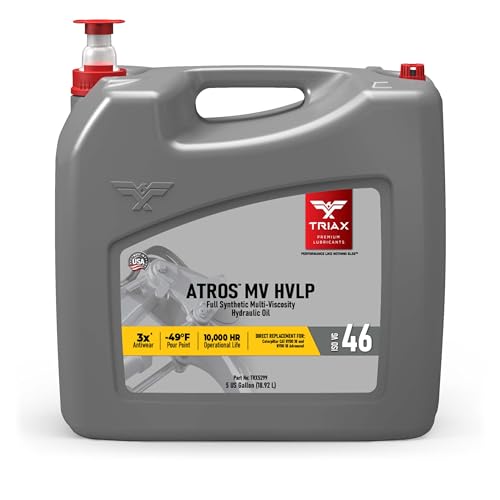
FULL SYNTHETIC - No compromise formulation, full synthetic with extremely high-performance metrics. EXTREMELY ECONOMICAL - Lowest cost per hour of operation.
Which Viscosity‑Index & Pour‑Point Numbers Matter for Winter Use?
Even if you’ve never stared at a viscosity‑index chart, you’ll quickly see why those numbers matter when the temperature drops below freezing. For winter, pick a fluid with a high VI—synthetic or ester‑based oils in the 140‑200 range keep the oil from thickening too much at –20°F. The higher the VI, the more consistent the flow, so your pump stays happy and cylinders retract on time. Next, check the pour point. That’s the temperature where the oil stops flowing; you want it well below the coldest night you expect. A pour point of –30°C or lower is ideal for wood‑chippers and log splitters. In short, focus on VI selection and a low pour point to avoid sluggish starts and costly wear. Proper fluid selection also protects hydraulic seals from brittleness in extreme cold. Understanding hydraulic system pressure helps you match the fluid’s performance to the machine’s power requirements. Keep an eye on the temperature rise during operation to prevent overheating in hot weather.
What Low‑Pour‑Point HVI Oil Works in Extreme Cold?
When temperatures plunge well below freezing, the last thing you need is hydraulic oil that turns into a thick slush and stalls your wood‑chipper or log splitter. For extreme cold, look for a low‑pour‑point HVI oil like Univis HVI Series or MEGAFLOW AW HVI. Both boast very low pour points—down to ‑76°F—and high viscosity index, so they stay fluid when the air hits ‑30°C. Their anti‑wear additives protect pumps during those tricky cold starts, and oxidation resistance gives you a solid shelf life extension. If you work offshore or in a frozen store, Hydromax Arctic M or Special Low Pour Hydraulic Oil are also solid choices. Do a quick cold start testing before the season, and you’ll keep your machine humming. Selecting the right hydraulic fluid also depends on viscosity index compatibility to maintain performance across temperature swings. A leaf blower’s airflow efficiency can be a useful comparison when evaluating overall yard‑maintenance power. The incompressibility of hydraulic fluid ensures that force is transmitted efficiently without loss.
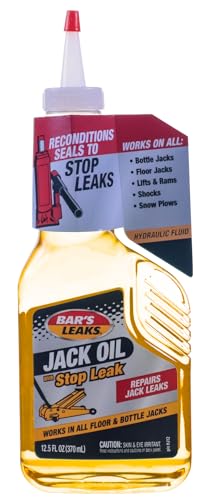
Stops Current Leaks And Prevents Future Leaks


MAG 1 Premium Snow Plow Hydraulic Oil is specially formulated with anti-wear additives protecting metal components of high pressure hydraulic systems.
How to Warm‑Up a Wood‑Chipper’s Hydraulics Before Cold Work?
If you let your wood‑chipper sit in a sub‑zero garage and crank the engine straight away, the hydraulic fluid will be as thick as maple syrup and the pump can seize up before you even get a cut. Warm‑up with a pump‑up checklist: start the engine at low RPM, let it idle 5‑10 minutes, then stretch to 15‑20 minutes if it’s below –10 °F. Use a block heater or a heating blanket on the reservoir overnight, and cycle the controls every two minutes to spread heat. Watch the pressure gauge and temperature gauge; you want oil temperature around 100 °F and stable pressure. Keep full throttle off during this stage to avoid cavitation. Store the chipper in a heated shed or insulated winter storage to make the next start‑up smoother. Wet leaf removal can cause the blower to stall if debris is too damp. Properly bleed the hydraulic system after a cold start to remove trapped air and prevent pressure spikes.

PREMIUM QUALITY: J20-C tractor hydraulic fluid specially formulated for optimal heat reduction and wear protection in agricultural equipment

BUILT FOR MULTI-SYSTEM PROTECTION – Formulated for use in hydraulic systems, transmissions, final drives, and wet brakes. A reliable solution for tractors, loaders, and off-road machinery

Log Splitter Hydraulic Fluid Oil.
What Are the Most Common Cold‑Weather Hydraulic Problems and Fixes?
After you’ve warmed up the chipper’s pump with that low‑RPM idle routine, the next thing to watch for is the way cold weather attacks the hydraulic system itself. The most common issue is fluid thickening, which spikes back‑pressure and forces the system into flow bypass. When bypass kicks in, unfiltered fluid rushes past your filters, dragging settled debris into pumps and valves. The fix? Keep a regular filter maintenance schedule, swap to a low‑temperature hydraulic oil, and clean or replace the filter element before each season. Also, inspect hoses and seals for rubber brittleness; replace NBR parts with polyurethane or copolyester alternatives. Finally, watch for moisture buildup—use a water‑absorbing filter and wipe down the reservoir to prevent corrosion and freezing. Check the dipstick before each use to verify fluid level and cleanliness. Recognizing the sweet petroleum scent can help you spot contamination early.
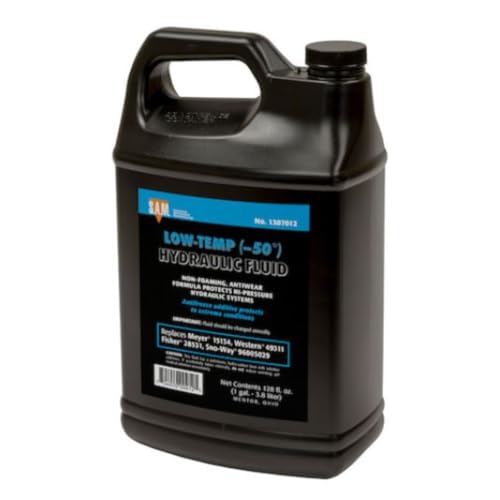
SAM Low-Temperature Blue Hydraulic Fluid is rated at -50°C.

OEM John Deere Part Number TY22035 Replaces Prior MPN TY22038