You’ll pipe the water’s sudden stop into a pressure surge that lifts water uphill, then channel that surge to power your wood‑chipper. First, set up a drive pipe that’s 3.5‑5 × the drop height and match its diameter to your flow (e.g., 75 mm for 30 L/min). A waste valve slams shut, creating a water‑hammer spike that pushes water through the delivery check valve and into an air‑cushioned chamber, smoothing the pulse. Adjust the valve weight and spring so the cycle repeats automatically, and keep the air chamber sized 20‑50 × the water volume per stroke. Fine‑tune the pipe lengths and valve timing, and you’ll have a reliable, electricity‑free boost for your chipper—more details await if you keep going.
How the Water‑Hammer Effect Powers a Hydraulic Ram
When you slam a garden hose shut, you feel that sudden jolt—yeah, that’s the water‑hammer effect, and it’s the heart‑beat of a hydraulic ram. The water’s kinetic energy suddenly stops, and that inertial force creates a pressure surge that shoots up the pipe like a shock wave. Your ram’s waste valve—often a ball or flapper—gets dragged shut by the flow. Here’s the thing: the faster the valve timing, the higher the spike, because the water doesn’t have time to ease out. That spike forces water through the delivery check valve, lifting a portion uphill. The air chamber then cushions the shock, keeping the system stable for the next cycle. The good news is you can tweak valve timing to tame the surge and get reliable lift for your wood chipper. Properly sized hydraulic pump ensures consistent flow and pressure for optimal performance. Understanding pressure dynamics helps you select the right pump type for wood chippers and log splitters. In cold weather, low temperatures can cause hydraulic fluid to thicken or even freeze, which reduces efficiency and can damage the system. Monitoring fluid viscosity is essential to prevent solidification and maintain reliable operation.
Choose Pipe Size and Drop Height for Maximum Hydraulic Ram Pressure
The water‑hammer surge you just learned about only reaches its peak when the drive pipe is sized and laid out just right for the drop you have. For pipe selection, match the pipe bore to your expected flow: if you’re pulling 30 L/min, go with a 75 mm pipe; 60 L/min calls for 100 mm, and so on up to 225 mm for 900 L/min. Drop optimization means keeping the pipe length 3.5‑5 × the fall height when the drop exceeds 2 m—so a 10 m drop needs 35‑50 m of pipe. Short falls (≤2 m) stay under 7 m. Remember the delivery pipe should be half the drive diameter. Following these rules lets you squeeze the most pressure out of your hydraulic ram. Optimal drive pipe length is between 75 and 100 feet for most installations. Proper installation of the waste valve is critical for maintaining cycle efficiency. Selecting the right pump type, such as a gear pump for durability, can further enhance system reliability.

✅FITMENT: Perfectly fits for Alpha drives 1991 all and newer. Also suitable for Alpha One Gen two that is 16-3/16".Replaces for Starboard 32-864960, for Supersedes 32-999021, for Port 32-864959, for Supersedes 32-999031 and for 99904Q (2 shorter hoses).


【Application】Fits for Alpha drives 1991 all and newer. Also suitable for Alpha One Gen two that is 16-3/16".
Start Your Hydraulic Ram Pump: From Manual Pulses to Automatic Cycling
Even if you’ve never seen a hydraulic ram in action, getting it to start is surprisingly simple once you understand the rhythm of manual pulses turning into automatic cycles. First, push the waste valve down into its open position and release it—do this three or four times until you hear the water hammer and the pump begins to cycle on its own. The good news is that once the water velocity builds, the waste valve slams shut, the pressure spike opens the delivery valve, and a suction pulse pulls the waste valve back open for the next cycle. If the valve stays closed, just depress it again. Fine‑tune pump valve selection and valve weight‑adjustment to match your head pressure, and you’ll have continuous flow without further fuss. The pump’s operation relies on converting velocity head into pressure head via the water hammer effect. Proper hydraulic fluid maintenance ensures the system remains sealed and operates efficiently. Always wear protective safety gear before handling the pump to prevent injury.

No Power Required: This hydraulic ram pump operates solely on falling water, eliminating the need for fuel or electricity This Hydraulic ram pump doesnt need Fuel or Electricity to lift water Uphill. Only needs flowing falling water to power the hydraulic ram pump.

【Water-Powered Hydraulic Ram Pump】: Uses the natural flow and elevation drop of a suitable water source to create the water-hammer effect, lifting a portion of the incoming water to a higher location without an electric motor or fuel-powered drive.
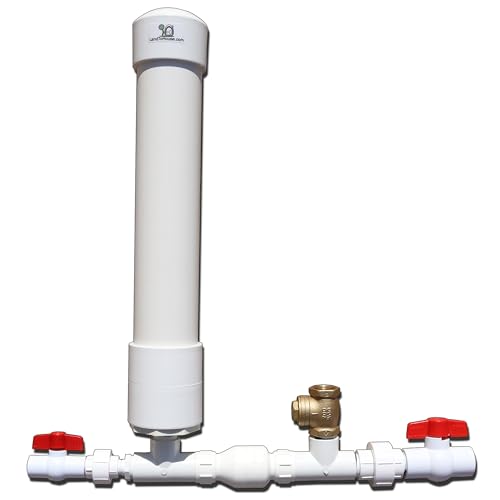
The Hydraulic Ram Pump can lift water without Fuel or Electricity. Only needs flowing falling water to power the pump.
Fine‑Tune the Air Chamber and Valves of Your Hydraulic Ram
If you want your hydraulic ram to run smoothly, the air chamber and its valves are the real secret sauce. Start with air chamber sizing: aim for a volume 20‑50 times the water you expect per cycle. That gives the compressed‑air “spring” enough cushion to smooth pressure spikes. Next, position the air valve opposite the pipe connector so it traps air efficiently, and slip an inner tube inside the chamber to keep water from soaking the air out. For valve tuning, point the spring‑check arrow toward the main tee, then adjust spring tension and stroke bolts for your flow rate. Finally, rotate the waste valve just enough to slow flapper closure if you need lower pressure; too much rotation will stall the pump. This fine‑tuning keeps your ram humming. The new custom waste valve with a replaceable O‑ring prevents leakage when closed. Proper hose selection is essential because high‑pressure hydraulic hoses ensure safe fluid transmission from the pump to the ram’s cylinder. Bleeding the system without a dedicated bleeder valve can be done by attaching a clear hose to the highest point and cycling the cylinder to purge air.
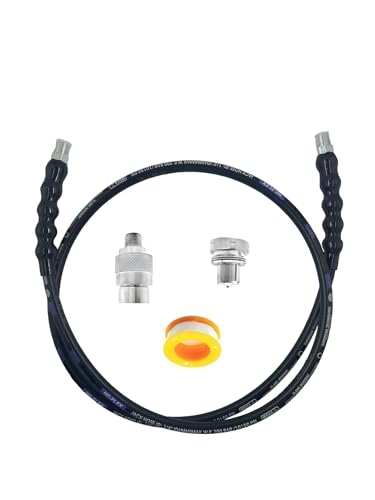
High Pressure Hydraulic Hose Swivel Assembly 1/4" Hydraulic Hose with Male NPT

Packing List: The package includes 270 pieces of green O-rings in 18 different sizes, sufficient quantity to meet your usage needs. In addition, the product comes with a plastic storage box with multiple independent small spaces built in, which can be used to store O-rings. It is easy to store, can be found quickly when needed, and is not easy to lose.

[Vehicle Fitment]: Compatible with Dodge Ram 1500 2003 V8 5.7L (without Hydraulic Brake Booster), Ram 2500 2003-2005 V8 5.7L (without Hydraulic Brake Booster), Ram 2500 2006 V8 5.7L (To 6/1/06), Ram 3500 2003-2006 V8 5.7L (without Hydraulic Brake Booster; To 6/1/06) --- 4WD
Fix Common Problems and Keep Your Hydraulic Ram Running Smoothly
You’ve got the air chamber and valves dialed in, but a hydraulic ram can still throw a wrench in the works if anything else goes off‑track. First, do a quick valve inspection: look for debris lodged in the waste valve or a stuck rubber gasket in the secondary valve. Clear any blockages, then tighten the ball valve just enough to restore back‑pressure. Next, check the screen intake—remove frogs, leaves, or sediment before they choke flow. Keep the drive pipe length within the 25‑to‑100‑foot sweet spot and match its diameter to the waste valve to avoid wave interference. Finally, perform regular valve maintenance and recharge the air chamber; a little air keeps the vessel humming and prevents leaks. The good news is these tweaks keep your ram pumping smoothly for years. Ensure the minimum input head is at least 2.5 ft to provide sufficient pressure for valve cycling. Always inspect hydraulic fluid before operating to confirm proper level and cleanliness. Remember that hydraulic fluid flammability can pose a fire risk if the fluid overheats or leaks onto hot surfaces. Regularly verify the hydraulic fluid level to avoid cavitation and maintain optimal performance.

Complete Kit: The kit provides 17 parts, including a safety valve seal ring, an oil plug, a 16-pump core dust cap, two 16-pump core fine rings, a 16-pump core coarse ring, two 13-pump core O-rings, and other O-rings with various sizes. Please refer to the relevant image for specific sizes

Complete Kit: The kit provides 17 parts, including a safety valve seal ring, an oil plug, a 16-pump core dust cap, two 16-pump core fine rings, a 16-pump core coarse ring, two 13-pump core O-rings, and other O-rings with various sizes. Please refer to the relevant image for specific sizes

Fits: lifter for Chrysler 300 5.7L 6.1L 6.4L 2005-2021, for Aspen 5.7L 2007-2009, for Challenger 5.7L 6.1L 6.2L 6.4L 2008-2021, for Charger 5.7L 6.1L 6.2L 6.4L 2006-2021, for Durango 5.7L 6.2L 6.4L 2004-2021, for Commander 5.7L 2006-2010, for Grand Cherokee 5.7L 6.1L 6.2L 6.4L 2005-2021, for Grand Cherokee L 5.7L 2021, for Ram 1500 5.7L 6.2L 2011-2021, for Ram 2500 5.7L 6.4L 2011-2021, for Ram 3500 5.7L 6.4L 2011-2021, for Ram 1500 Classic 5.7L 2019-2021, refer to the "Amazon Confirm Fit" tool