You can’t swap these fluids—they’re built for totally different jobs. Universal Tractor Fluid (UTF) handles your transmission, wet brakes, and steering all at once, with friction modifiers that hydraulic oil doesn’t have. Hydraulic oil? It’s stripped down for industrial equipment like wood chippers and log splitters. Use the wrong one, and you’re looking at seal damage, brake chatter, sluggish lifting, and expensive repairs. Your manual specifies exactly what you need—stick with it.
What UTF and Hydraulic Oil Actually Do (Different Jobs)
When you’re standing in front of the hydraulic fluid shelf at your local farm supply store, you’ll notice there’s more than one option—and that’s not just marketing talk. Here’s the thing: these fluids do fundamentally different jobs. UTF handles four responsibilities simultaneously—it lubricates your transmission, powers hydraulics, operates wet brakes, and manages your power steering all in one shared reservoir. That additive synergy is essential; UTF’s friction modifiers and extreme pressure additives work together to handle this complexity. Hydraulic oil, by contrast, focuses solely on power transmission in industrial equipment like your log splitter or wood chipper. It lacks friction modifiers entirely because those systems don’t use wet brakes. While both fluids offer excellent temperature tolerance and protection, they’re engineered for completely different demands. Using the wrong fluid wastes money and risks damage. Hydraulic fluids are formulated for high‑pressure operation and precise cylinder actuation, which is critical for wood‑processing equipment. Moisture contamination can cause fluid breakdown and component wear. Proper handling and storage of hydraulic fluid also prevent environmental contamination and protect operator health.
Why Using Wrong Tractor Fluid Causes Real Problems
Because your tractor’s hydraulic system relies on a carefully balanced blend of additives engineered specifically for multiple jobs at once, pouring in the wrong fluid is like swapping out your engine oil for transmission fluid—it might look similar, but it’ll cause real damage fast.
When you use incompatible fluid, seals swell and fail prematurely, causing leaks around hydraulic components. You’ll notice brake chatter, sluggish lifting, and unresponsive steering almost immediately. Here’s the thing: generic oils lack the friction modifiers and additives your system needs, especially if your maintenance schedule calls for specific weather compatibility. Cold-weather response suffers with heavier fluids, while lighter viscosities accelerate internal wear. The repair bills quickly dwarf those minor savings you thought you’d gain. Proper hydraulic fluid selection also prevents metal corrosion within the system. Using the wrong fluid can increase the risk of hydraulic fire in equipment such as wood chippers.

Reduces the operating temperature of hydraulic systems
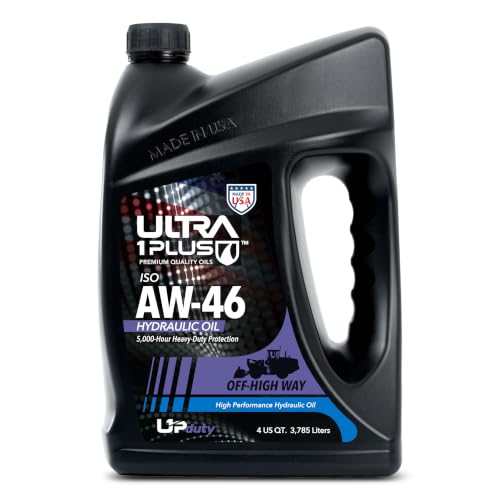
SUPERIOR ANTI-WEAR PROTECTION: Advanced iso 46 hydraulic oil formula with AW additives shields vane, piston, and gear pumps from friction. Extends life and reduces downtime in industrial equipment.

OEM John Deere Part Number TY22035 Replaces Prior MPN TY22038
How UTF’s Additives Protect Wet Brakes and Transmissions
Universal Tractor Fluid’s real strength shows up in those moments when your equipment needs to do multiple jobs simultaneously—and that’s exactly where those carefully engineered additives earn their keep. UTF contains friction modifiers that enable proper wet‑brake sealing, preventing chatter and shuddering when you engage your brakes under load. This matters because slippage wear in wet clutches can destroy your equipment fast.
On the transmission side, detergent and dispersant additives combat transmission‑sludge control by keeping everything clean and free of buildup. You’re getting anti-wear protection too—up to 51% better wear reduction in gears compared to basic hydraulic oil. Add corrosion inhibitors protecting seals and elastomers, plus thermal stability across temperature swings, and you’ve got fluid that actually works as hard as you do. Selecting the right fluid also depends on viscosity stability to match equipment specifications. Understanding hydraulic pressure helps ensure the system operates within safe limits.
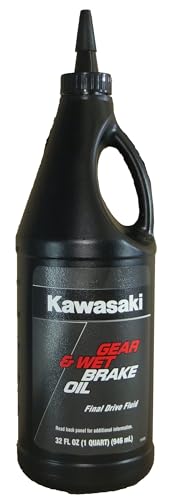
Genuine Kawasaki OEM Part

MEETS OR EXCEEDS ALL OEM SPECS: Compatible with John Deere J20C, Kubota UDT, Kubota UDT2, Kubota Super UDT2, Ambra Multi-G, CASE MAT 3525 UTTO, Akcela HY-TRAN Ultra, John Deere Hygard, CAT TO-2, Komatsu, Massey Ferguson, and all other OEM tractor hydraulic and transmission fluids; Variable viscosity SAE 80 (ISO 32/46)

MAG 1 Universal Tractor fluid is specially formulated with only the finest quality hydro treated high viscosity index paraffinic base oils and the most advanced and rigorously tested additive system to deliver unsurpassed protection and performance
What Your Tractor Manual Actually Tells You
Your tractor’s manual isn’t just sitting there to collect dust—it’s actually your best friend when you’re trying to figure out what fluid goes into your machine. The manual language might seem technical at first, but it’s spelling out exactly what you need. You’ll find viscosity grades like ISO VG 32/46 or ISO 68 listed, which directly relate to temperature‑sensitivity and how your fluid flows in cold weather versus summer heat. Manuals specify API GL-4 or J20C standards, not particular brands. Here’s the thing: any quality UTF meeting those specs works perfectly. Check your model’s capacity table for exact gallons needed, then match the viscosity grade your manual recommends. That’s it—follow those specs, and you’re golden. Selecting the proper viscosity helps prevent overheating and extends component life. Understanding hydraulic fluid viscosity is essential for optimal chipper performance. Always remember to inspect hydraulic fluid before each use to catch low levels or contamination early.
Which Tractor Fluid Brands Meet OEM Specs
Once you’ve got those OEM specs from your manual, you’ll find that you’ve got way more options than just buying the expensive branded stuff your dealer’s pushing. The good news is that third-party fluids meeting J20C standards deliver OEM compliance without the premium price tag. TRIAX Agra UTTO XL GL-4, STARFIRE Premium, and Performance Plus all hit the major specifications your tractor needs. Here’s the thing—warranty protection stays intact when you use non-OEM fluids that meet published J20C specs, thanks to the Magnuson-Moss Warranty Act. Lab testing confirms that base oil quality significantly influences additive levels across different brands, meaning some third-party options deliver comparable performance to OEM formulations despite lower costs. You’ve also got lab-tested alternatives like Shell Rotella HD that’ve proven themselves against OEM formulations. Bottom line: you’re not sacrificing quality or coverage by going with quality third-party options that match your manual’s requirements. The hydraulic ram pump’s pulsating surge can be harnessed to drive a wood chipper, illustrating how fluid dynamics can power off‑grid tools. Selecting the proper viscosity grade is essential for maintaining consistent performance across the temperature extremes encountered in wood chipper and log splitter operations. Incompressible fluid enables efficient power transmission throughout the system.

PREMIUM QUALITY: J20-C tractor hydraulic fluid specially formulated for optimal heat reduction and wear protection in agricultural equipment

John Deere Hy-Gard Transmission and Hydraulic Oil

ALL OEM COMPLIANCE: Compatible with / Meets or Exceeds John Deere J20C, Kubota UDT2, Kubota Super UDT, Ambra Multi-G, CASE MAT 3525 UTTO, AKCELA HY-TRAN Ultra, John Deere Hygard, CAT TO-2, Komatsu, Massey Ferguson, and more