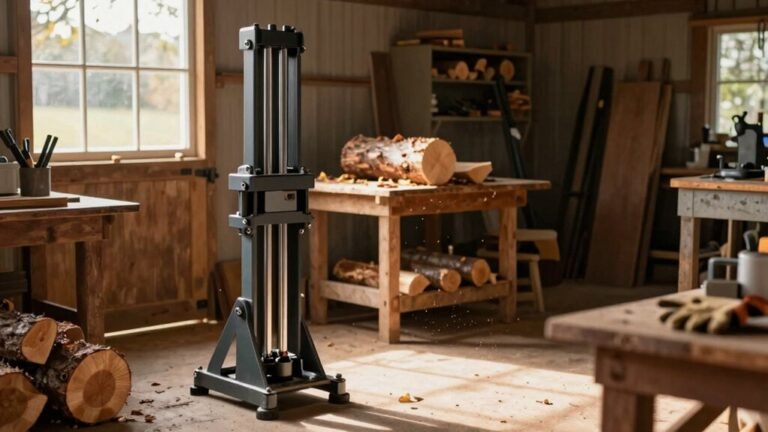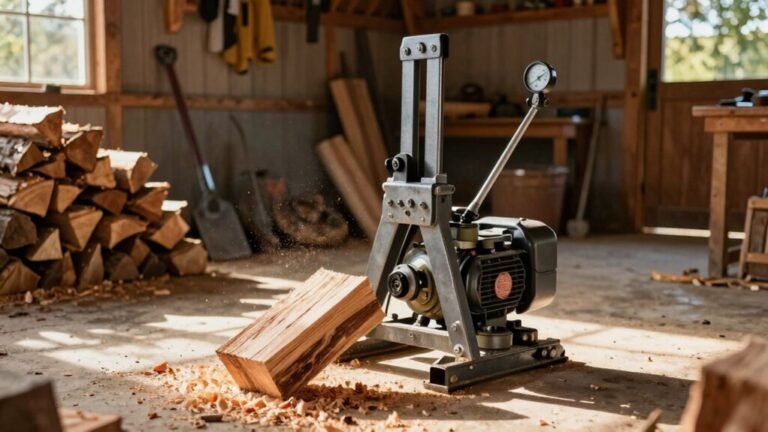
Pick a splitter that matches the log size you’ll be handling: 6‑8 in logs need 4‑6 tons, 12‑24 in logs need around 7 tons, and big hardwoods or green 24‑in logs push you past 20 tons. If you mainly split soft pine, a 5‑ton electric unit will be quick and cheap; for knotty hardwoods or commercial work, go for a 20‑40 ton gas model with a sturdy blade and hydraulic release. The good news is a correctly sized splitter cuts cycles, saves fuel, and lasts longer—keep reading to see how to fine‑tune power source, blade choice, and budget for your setup.
Determine the Right Log Splitter Tonnage for Your Wood
So, how do you pick the right tonnage for the wood you plan to split? First, check the log diameter. If you’re handling 6‑8 inches, a 4‑6 ton splitter will do; 6‑12 inches needs at least 4 tons, and 12‑24 inches jumps to 7 tons. Green wood is tougher—12 inch green logs demand 16 tons, 24‑inch green logs need 30+ tons. Hardness matters too; a 300‑600 lb Janka wood splits fine at 4 tons, but a 1500‑2200 lb hardwood pushes you to 20‑30 tons. Always size for the hardest species you’ll encounter, then add a safety margin for ton safety. Finally, stick to a regular maintenance schedule—oil the hydraulic pump, tighten bolts, and inspect the frame—to keep your splitter reliable season after season. Wear protective gear while operating the splitter to prevent injuries. Hydraulic pressure determines the consistency of each split. Parallel splitting can significantly increase throughput when handling large volumes.
Choose the Right Power Source for Your Log Splitter
After figuring out the tonnage you need, the next step is deciding how you’ll power the splitter. If you need true mobility—say you’re moving around a farm or a remote woodsite—a gas‑powered unit is your best bet. It runs on unleaded gasoline, so you won’t hunt for an outlet, and you avoid voltage drops that can sap horsepower. Just remember fuel maintenance: keep the tank clean, change the oil regularly, and watch for carburetor issues. Electric models are great for occasional home use, but they demand a 15‑amp circuit and can overload a small inverter. Check the warranty terms before you buy; many gas models offer longer coverage on the engine, while electric units often limit it to the motor and electronics. Hydraulic pressure must be released before each use to prevent piston damage. Backpack blowers provide higher horsepower for extended tasks. A hydraulic ram pump can generate pulsating surge to power tools like a wood chipper in off‑grid settings. Properly pre‑flight checks ensure the blower starts reliably every time.

27-Ton Splitting Force for Demanding Jobs: Driven by a robust 7 HP 209cc OHV engine, this gas-powered splitter delivers a full 25 tons of force with 9.14 ft.-lb. of torque. This massive power ensures it can handle logs efficiently, saving you significant time and effort.

Powerful 40-Ton Splitting Force - Driven by a massive 389cc, 13 HP single-cylinder OHV engine producing 16.96 ft.-lb. of torque, this hydraulic splitter delivers a crushing 40 tons of force. Effortlessly power through the toughest hardwoods and tackle demanding jobs with speed and ease.

Reliable 223cc FULL BOAR OHV engine delivers 33-ton force and cycles in just 14.3 seconds for a fast and easy splitting
Match Log Splitter Capacity to Log Diameter & Length
When you line up a log for splitting, the first thing you need to check is whether the splitter’s tonnage can actually handle the log’s diameter and length. If you’re dealing with a 20‑inch‑diameter oak, you’ll need at least 30 tons; a 9.8‑inch, 20.5‑inch pine will run fine on a 6.5‑ton electric unit. Remember safety: never exceed the manufacturer’s max diameter, because the blade can jam or the frame can flex. For longer logs, add a few inches of clearance to avoid the log hitting the housing. Keep blade maintenance top‑of‑mind—sharp, undamaged blades reduce required force and protect your splitter from overload. Matching capacity to size saves time, protects equipment, and keeps your workshop safe. Gas‑powered hydraulic splitters can handle larger, gnarled logs that would overwhelm an electric unit. Consider the power source when choosing a splitter, as it influences portability and operating cost. Properly adjusting the log feed ensures smoother operation and reduces wear on the hydraulic system. Always inspect the splitter’s safety latch before use to confirm it engages correctly.
Pick the Best Blade for Straight vs. Knotty Logs
If you’re trying to get clean, fast cuts on straight timber but also need the muscle to tackle knotty, hardwood pieces, the blade you choose makes all the difference. For straight logs, pick a blade geometry with a larger diameter (300–600 mm) and a low tooth count—around 20‑40 teeth—so you rip quickly and keep vibration down. A higher hook angle and wider pitch will let you glide through soft wood without snagging. When you move to knotty logs, switch to a bigger diameter (600‑1200 mm) and a tighter tooth count, 80‑120 teeth, paired with a low‑hook angle. This geometry reduces deflection, gives a smoother finish, and the carbide‑tipped edges stand up to hardwood knots. The good news is you can swap blades on most splitters, so you stay efficient no matter the wood. Proper hydraulic pressure management ensures the blade receives consistent power for both straight and knotty cuts. Disc chippers excel at handling larger, tougher wood with higher throughput and durability. Always bleed the system after blade changes to remove trapped air and prevent uneven pressure.

【Satisfactory 】If you have any questions or suggestions, please feel to us and we will provide you with friendly, easy-to-obtain support.

【Save Time and Effort】Cross‑blade design, double the efficiency, save time and effort, necessary tool for woodworker, carpenter

Part Name: Hydraulic Control Valve Handle
Decide How Fast You Need Your Splitter to Cycle
Even though you might think a faster cycle just means getting the job done quicker, the real decision hinges on how many logs you plan to split and how tough those logs are. If you’re chopping dozens of soft pine logs, a 4‑second cycle on a high‑performance model can shave hours off your day. But if you’re tackling a few knotty hardwoods, a 12‑second cycle from a box‑store splitter is plenty and reduces wear. For cycle optimization, match the stroke length and hydraulic flow to your volume—two‑way splitters double efficiency at higher tonnage. Always respect safety protocols; rapid strokes increase injury risk, so install stroke limiters and keep hands clear. Choose a speed that balances productivity with the safety you need. The Split‑Fire 2265 achieves a four‑second cycle at full throttle, confirming its advertised speed. Properly bleed the system before operation prevents pressure spikes that could otherwise damage the cylinder. Considering the operating expense of maintenance can further influence the optimal cycle speed. Understanding the vertical splitter advantages helps you decide if a space‑saving design fits your workshop layout.

Bore: 4" (OD 4.5"), Stroke: 24 inches, Rod: 1.75", Retracted: 34.5", Extended: 58.5", Pin holes: 1-1/8", 9/16"

10-TON SPLITTING FORCE: This manual hydraulic log splitter delivers 10 tons of powerful splitting force, making quick work of even tough, knotty logs.

[2-STAGE PUMP 16GPM] - RYFT two stage HI/LO gear pump.This hydraulic pump has a maximum rotational speed of 3600 RPM, a maximum working pressure of 3000 PSI.The 2-stage pump can provide faster cycle times and higher possible pressure.
Set a Budget: Homeowner vs. Commercial Splitters
You’ll quickly discover that setting a budget isn’t just about the sticker price—it’s about matching the splitter’s power and durability to the work you actually plan to do. Start with budget calculations: a 5‑7 ton electric unit runs under $1,500, perfect for occasional softwood chores, while a 20‑40 ton gas model can exceed $5,000 but handles daily hardwood splitting. Homeowners usually stay under 16 tons, renting a 26‑ton unit for big jobs to avoid ownership costs. Commercial users aim for 20‑40 tons, accepting higher fuel and maintenance fees for long‑term durability. Compare warranty options—big‑box electric splitters often come with a two‑year parts guarantee, whereas professional gas machines may offer three to five years with extended service plans. Choose the tier that aligns with your project frequency and log size. Consider the chip size you need to ensure the splitter can produce consistent, uniform pieces for efficient firewood stacking. Reduced emissions also make electric models a greener choice for frequent users. Always read the owner’s manual before operating to avoid safety hazards and ensure proper maintenance.

Powerful, 6.5 Ton RAM Force to get the job done fast

POWERFUL: The 12 ton hydraulic log splitter can split logs up to 17.7 in long and 7.9 in diameter (Depending on wood density)

【POWERFUL MOTOR FOR EFFORTLESS CUTTING】 The PowerSmart electric hydraulic log splitter boasts a 15 Amp induction motor with 3450 rpm, ensuring stable performance. The 6.5-ton hydraulic system easily splits larger logs into firewood. Durable steel construction ensures reliable use for years to come.
Plan for Future Log Sizes to Avoid Undersizing
When you’ve nailed down a budget, the next step is making sure the splitter you pick won’t be outgrown by the logs you’ll handle down the road. Think about future growth: a 6‑inch pine can swell to 12‑18 inches, and hardwoods like maple may hit 24 inches. Size up to the next chart increment to meet safety standards and keep your maintenance schedule simple. A larger unit improves logistics, cuts the number of passes, and boosts resale value, making the cost‑benefit analysis tilt in its favor. Consider environmental impact—fewer cuts mean less waste and less fuel use. Finally, plan user training so you’ll handle the extra power safely and keep the machine humming for years. Echo leaf blowers often feature lightweight design that can inspire similar considerations in equipment selection. Understanding the chip size produced by a wood chipper helps match the output to your mulch or compost needs.
Checklist: Signs It’s Time to Upgrade Your Splitter’s Tonnage
If you’ve started to notice your splitter lagging behind the workload, that’s a solid sign it’s time to look at a higher‑tonnage model. Check your cycle time: if it’s stretching out and you’re waiting longer for each log, that’s a red flag. Frequent stalls or incomplete splits mean the hydraulic force isn’t keeping up with knotty hardwood or large‑diameter rounds. Notice rising operator fatigue from extra manual repositioning? That extra strain signals undersized capacity. Look at your maintenance‑wear logs—more frequent repairs and parts wear indicate the machine is over‑working. Finally, review warranty coverage: if the current model’s warranty won’t cover the extra stress you’re putting on it, upgrading protects your investment and restores productivity. Break‑even point is reached when annual usage exceeds 6 m³, making a larger splitter financially sensible.

High Hardness Material: The firewood drill bit wood splitter is made of high-quality carbon steel, which has high hardness, strong toughness, impact resistance, wear resistance, and is not easy to break due to vibration, extremely strong and durable. Note: The surface of the product is coated with anti-rust oil, which is normal and does not affect use.

【6.5-Ton Splitting Force】Delivers up to 6.5 tons of splitting force to break through logs with ease, helping tackle firewood and wood-cutting tasks with less manual effort.
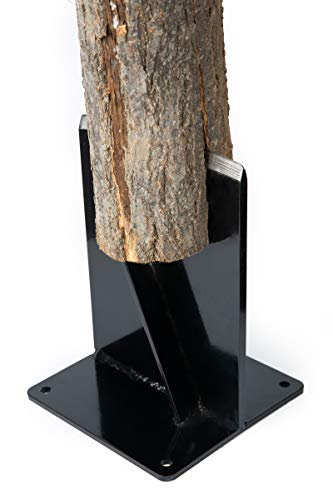
Product material: Gr50 high strength structural steel, excellent low temperature performance and cutting performance, strong and durable.