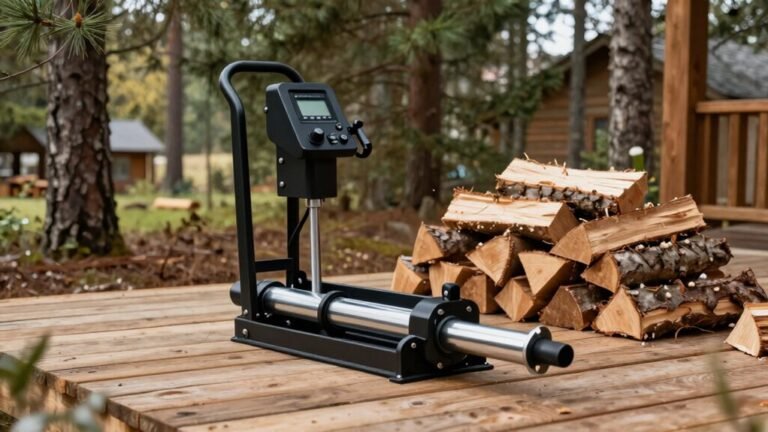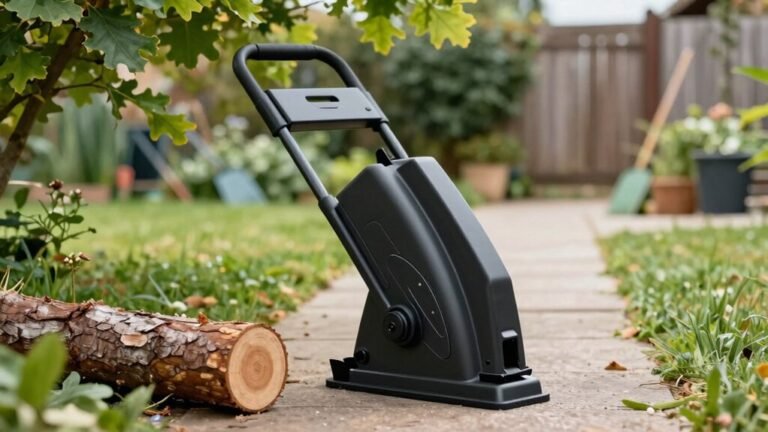
You’ll find an electric splitter pays off fast if you split moderate‑sized, mostly dry logs a few times a week; the good news is you’ll never refuel, the noise is low, and maintenance is almost nil, so you save both time and money. The downside is a higher upfront price and a lower tonnage ceiling—usually 7‑10 tons—so it’s best for 12‑inch hardwoods or smaller oak, not big, knotty or frozen logs. If you keep your logs within those limits, the low operating cost and hassle‑free use make the investment worthwhile, and the rest of this guide will show you exactly why.
Evaluation Framework: Key Factors for Choosing a Log Splitter
When you’re hunting for the right log splitter, the first thing to get straight is the evaluation framework—basically, the checklist of factors that will tell you whether a model fits your yard, your wood, and your budget. Start with log size: a 12‑inch log needs a 12‑22‑ton unit, while 24‑36‑inch oak pushes you to 35 tons. Hardwoods demand 1,350 lb pressure; green or gnarled wood adds roughly ten tons extra. Next, weigh production efficiency: a splitter that cycles fast and handles longer logs horizontally will keep your workload moving. Finally, consider maintenance: hydraulic systems with readily available parts and simple safety guards reduce downtime. If you plan for the biggest, toughest logs now, you’ll avoid costly upgrades later. Gas‑powered hydraulic splitters provide up to 40 tons of pressure for the most demanding jobs. Proper hydraulic fluid selection is essential to maintain pressure and prevent overheating. Using the correct high‑pressure fluid ensures reliable actuation and protects against wear.

FITS HUSKEE & COUNTYLINE LOG SPLITTERS – Fits Tractor Supply Huskee 20 Ton LS401211 (21-53053), Huskee 22 Ton 401622TSK (1032822) and LS401233TS; CountyLine/County Line 22 Ton 401622CL (1032822) and 3-Point Hitch 400197TS (2153304); also supports matching CountyLine 22 Ton and older 3-Point cylinder applications

POPULAR LOG SPLITTER FITMENT: Fits select Tractor Supply Huskee/Huskee 20-22 Ton LS401211, 401622TSK, LS401233TS; CountyLine 401622CL, 400197TS/2153304; Dirty Hand Tools 100171 applications using compatible 4.0" bore x 1.75" rod hydraulic cylinders

Powerful 40-Ton Splitting Force - Driven by a massive 389cc, 13 HP single-cylinder OHV engine producing 16.96 ft.-lb. of torque, this hydraulic splitter delivers a crushing 40 tons of force. Effortlessly power through the toughest hardwoods and tackle demanding jobs with speed and ease.
Power & Performance: Electric vs. Gas Splitters
Power and performance are the heart of any log‑splitting decision, and the split between electric and gas models is all about how much force you need and how fast you want it. Gas splitters push 8‑34 tons, sometimes over 40 tons for commercial work, while electric units top out at 7‑10 tons. If you’re chopping 18‑inch oak, a gas engine will crush it in 10‑15 seconds; an electric 7‑ton machine will stall or take over 30 seconds. Gas gives you raw power for thick, knotty logs and keeps the cycle speedy, but it burns fuel and raises environmental impact. Electric tools are quieter, produce zero emissions on site, and offer better environmental efficiency, though they’re best for 12‑inch, lighter logs. Choose based on the size of the wood you’ll split and how much speed versus eco‑friendliness matters to you. Kinetic splitters use high‑speed blades and can cut quickly but struggle with large‑diameter or frozen logs. Understanding terrain compatibility helps you match the right splitter to your yard’s layout and ground conditions. Selecting the right splitting mechanism ensures optimal performance and safety for your specific projects.

🪵【7 TON HYDRAULIC POWER】 This 7 ton electric log splitter delivers strong hydraulic force, making it ideal for log splitters for firewood and hardwoods like oak and maple. A reliable firewood splitter for efficient home heating and daily use.

7-TON SPLITTING FORCE – The TECSPACE electric log splitter delivers 7 tons of hydraulic splitting force to help prepare logs for home heating, backyard fire pits and cabin use.

POWERFUL MOTOR - Powerful 15Amps motor provides 6.5-Ton of log cracking pressure, speed up to 3,400RPM. Split logs up to 9.8" diameter and 20.5" length, and the efficient hydraulic ram log splitter could quickly reset to cut another log that allows your cutting effortlessly and saves your time. In addition, durable steel construction ensures long-lasting stable performance.
Portability & Power‑Source Flexibility of Electric Log Splitters
The power you need to split a log is only half the story; the other half is getting that power to the splitter when and where you need it. You’ll find that portable power isn’t about batteries—it’s about how easily you can move a unit to a nearby outlet. Thanks to 10‑inch rubber wheels and a foldable pull handle, you can roll a splitter across uneven ground or into a shed without breaking a sweat. The compact frame fits tight storage, yet the steel beam adds durability. Outlet flexibility means smaller models plug into a standard 120 V socket, while larger ones need a 240 V source—no gasoline, no oil changes. For a homeowner with a garage outlet, that plug‑and‑play convenience makes the splitter feel almost cordless, while still delivering reliable torque. The Earthquake 32228 model adds a magnetic fastener for quick, secure setup. Properly securing the hydraulic cylinder with a reinforced steel frame ensures safe and efficient operation. Understanding the hydraulic pressure rating helps match a splitter to the wood density you’ll be handling. Bleeding a hydraulic cylinder without a dedicated bleeder valve can be done by locating the system’s highest point and using a clear hose to purge air.
Safety & Noise Levels Specific to Electric Log Splitters
If you’re pulling the lever on an electric log splitter, the first thing you’ll notice is how quiet it is compared to a gasoline‑powered cousin—still, that low‑noise promise doesn’t mean you can skip safety gear. You’ll want sturdy gloves, safety glasses, and strong boots to guard against wood chips, splinters, and falling logs. Even though the machine produces quiet noise, the hydraulic wedge can still be loud enough to merit ear protection. Keep loose clothing away, stand to the side, and never place your hands near the moving wedge. Inspect hydraulic fluid and hoses before each use, and always disconnect power when you’re done. Following these habits keeps you safe while enjoying the quieter operation. Use a GFCI outlet to ensure electrical safety. The hydraulic wedge can generate sound levels comparable to a leaf blower, reaching up to 85 dB in some models. The high‑speed rotary impeller in leaf blowers creates a turbulent airflow that amplifies noise, a principle that also applies to the rapid motion of hydraulic wedges. Proper storage of hydraulic fluid prevents fire hazards and maintains equipment reliability.
Cost Comparison: Purchase, Maintenance & Resale
When you start crunching the numbers, the upfront price tag of an electric log splitter often looks higher than a gasoline model, but the hidden savings quickly balance things out. In a purchase analysis, a Wen 6.5‑ton unit runs $338 after discount, while a comparable gas model can exceed $900. Maintenance analysis shows you’ll never buy gasoline or oil, and you skip carburetor cleaning, so yearly costs drop to near zero. That translates into a solid resale‑value boost; refurbished electric splitters still fetch decent prices on secondary markets. Even premium options like DeWalt’s Flexvolt retain value because buyers know they’re paying for low upkeep. Bottom line: the higher upfront cost pays off through lower operating expenses and a stronger resale‑value when you’re ready to upgrade. Electric leaf blowers also benefit from reduced maintenance, mirroring the cost advantages seen in electric splitters. Choosing the right splitter size also depends on log diameter and wood type, ensuring efficient cuts and preventing motor strain.

8-TON HYDRAULIC SPLITTING FORCE: This 8-ton electric wood splitter delivers powerful hydraulic force for everyday firewood preparation. The durable Q235B steel wedge concentrates splitting force to help process logs efficiently with consistent performance

Powerful, 6.5 Ton RAM Force to get the job done fast
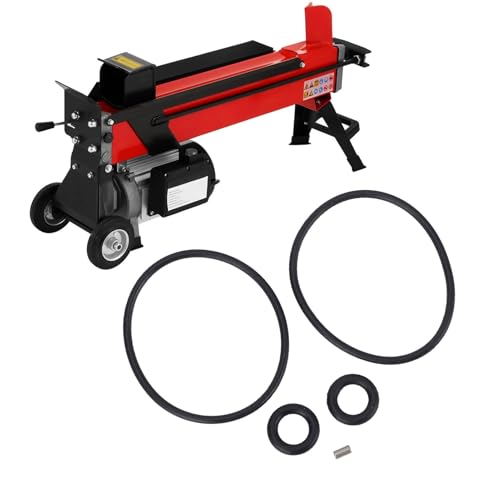
[Easy Installation] This electric log splitter seal kit is designed for easy installation. it can be used with a splitter splitter replacement motor foot and splitter replacement pump bracket (not included). the straightforward rebuilding process ensures you can quickly get your log splitter back in working order.
Ideal Log Sizes & Wood Types for Electric Splitters
Because electric splitters only deliver 5‑10 tons of force, you’ll want to match the logs you feed them to that sweet spot. Aim for diameters no larger than 10 inches; 6‑inch logs split easily with 4 + tons, and 8‑10‑inch pieces are comfortable for 5‑6‑ton units. The good news is softwoods like pine or spruce glide through even a 5‑ton model, while hardwoods such as oak or maple need 7 + tons and benefit from off‑center splits. What most people don’t realize is that wood hardness, moisture, and age all affect how much force you’ll need. Stick to the log size limits and choose softer, drier wood for the best results, and you’ll keep your electric splitter humming smoothly. Splitting wedges excel in penetrating dense, knotty logs due to their tapered design. Properly checking fuel before operation helps prevent unexpected stalls.
Durability, Warranty & Pay‑back Timeline
Even though electric splitters aren’t built to run all day like a commercial saw, they’re surprisingly tough when you stay within their limits. The DR Electric 4‑ton has been chugging 5‑6 cords a year for decades, and the DR Power 6‑ton still pulls a cord after three years of heavy use. PROYAMA’s steel chassis and BILT HARD’s robust frame survive repeated cycles, while Ryobi holds up through a brutal year. Warranty longevity is decent—DR Power ships with a two‑year standard, extendable to four with promotions, and many brands offer free extensions during sales. The ROI timeline is short for homeowners: a $700 6‑ton machine pays for itself after splitting just one cord over three years, thanks to low maintenance and zero fuel costs. The Ryobi model has no hydraulic fluid added after a year of operation, demonstrating its durability. Regular inspection of the power cord and latch ensures safe operation and prolongs the machine’s life. A hydraulic ram pump can also be used to power a wood chipper by converting water flow into mechanical energy. Understanding hydraulic pressure basics helps users choose the right splitter for their needs.
Final Verdict: Who Should Buy an Electric Log Splitter?
If you’ve got a modest yard, a weekend‑firewood habit, and a desire to keep the noise down, an electric log splitter is probably the right fit for you. You’ll love the plug‑in simplicity, the quiet operation, and the fact that it fits your budget—most models sit between $300 and $1,000, far cheaper than gas rivals. The good news is that eco friendly branding isn’t just marketing; you’ll run zero emissions and avoid fumes, making indoor use in a garage safe. Seasonal demand spikes in winter, so you’ll have a reliable tool when you need it most. It’s perfect for homeowners with small properties, occasional light use, and anyone who values low‑maintenance, low‑noise convenience. Battery technology advances have made cordless electric splitters more practical for extended use. Proper equipment inspection before each session helps prevent accidents and ensures efficient operation.

Reliable 16-Ton Splitting Power: This 16 ton electric log splitter delivers dependable force for everyday firewood preparation, helping split suitable logs into manageable pieces for fireplaces, wood stoves, and outdoor fire pits

PREMIUM MATERIAL: This log splitter cover is made of fine-selected oxford fabric, which is heavy duty and heavy duty enough to provide ultimate protection to your firewood splitting machine when not in use.

7-TON SPLITTING FORCE – The TECSPACE electric log splitter delivers 7 tons of hydraulic splitting force to help prepare logs for home heating, backyard fire pits and cabin use.