Pick a fluid that matches the season and your machine’s seals: use ISO 32 or AW32 when it’s below +25 °F, ISO 46 for spring’s wide range, and ISO 68 once it’s over 40 °F. Stick to the viscosity your manual recommends, and choose a trusted brand like Mobil DTE 10 Excel 32 or SHC 524 for heat stability. Change the oil after the first 8 hours, then every 50 hours (or up to 150 hours with premium fluid). Drain, refill, and add a leak‑prevention additive each season, and you’ll keep power smooth and wear low—there’s a lot more detail ahead.
Choose the Right Seasonal Hydraulic Fluid
When winter rolls in, you’ll want a hydraulic fluid that stays fluid at sub‑zero temps, so swapping to an ISO 32 or AW32 oil before the temperature drops below +25 °F is the smart move. The good news is that these grades keep seasonal viscosity low enough for pumps and cylinders to move freely, even when the air feels like ice. What most people don’t realize is that fluid compatibility matters just as much—your chipper’s seals and hoses are often tuned for AW‑type oils, so matching the manufacturer’s recommendation avoids leaks. In the spring, you can shift to ISO 46 for a broader temperature window, then jump to ISO 68 once summer hits 40 °F+. This simple schedule protects performance without hunting for exotic blends. Always consult the manufacturer’s manual to verify the recommended viscosity range for your specific model. Proper temperature stability ensures consistent performance across seasonal changes. Selecting the correct viscosity grade also helps maintain seal integrity and prevents premature wear.
How Viscosity Grades Affect Wood‑Chipper and Log‑Splitter Performance?
If you’ve ever watched a wood‑chipper or log‑splitter grind through a thick oak branch and then stall on a cold morning, you’ve already seen how viscosity grades shape performance. The viscosity‑temperature interaction means a fluid that feels buttery at 40 °C can become syrupy at 0 °C, choking the pump and causing cavitation. Choose a grade that stays fluid enough when it’s chilly but still forms a protective film when the chipper heats up. Shear‑rate dependency matters, too—under the high shear of a fast‑moving piston, low‑grade oil thins too much, losing lubricating strength and raising energy draw. Conversely, a high‑grade oil stays thick, slowing response and cutting throughput by up to 60 % in dense wood. Matching the right grade to your climate and workload keeps the machine humming. Proper fluid viscosity also ensures optimal hydraulic power transmission and reduces wear on seals and pistons. Regular fluid testing can detect early signs of contamination before they cause costly downtime. Monitoring the temperature rise during operation helps prevent overheating and extends component life.
Best Hydraulic Fluids to Buy for Log Splitters
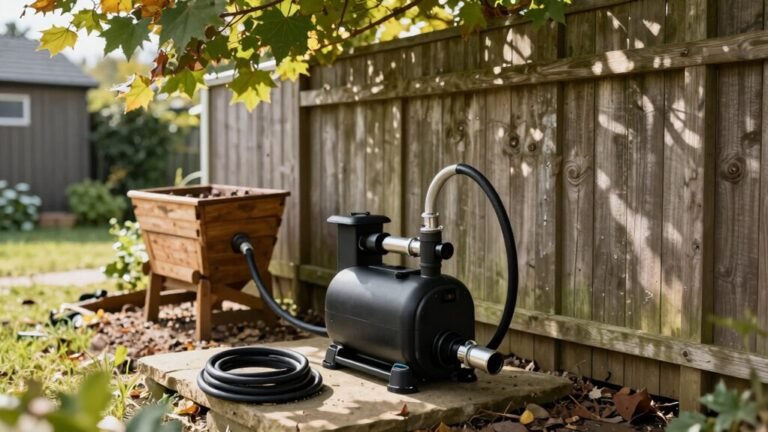
Even if you’ve never tinkered with a hydraulic system before, picking the right fluid for your log splitter is surprisingly simple once you know what to look for. The best options start with Mobil DTE 10 Excel 32 for its solid mineral base and proven brand compatibility additives. If you need higher thermal stability, Mobil SHC 524 synthetic oil gives a great viscosity index and seal compatibility under heavy loads. For electric splitters, Forest Master Hydraulic Fluid uses virgin oils that stay clean longer. AW32 is a safe, all‑rounder that won’t clash with seals. Choose a fluid that matches your splitter’s temperature range and workload, and you’ll see smoother operation and longer component life. Universal tractor fluid can serve as a multi‑purpose additive for both transmission and hydraulic systems, offering a convenient alternative when equipment specifications allow. Proper storage and handling of hydraulic fluid are crucial because many fluids are flammable and can pose fire hazards if exposed to sparks or high heat. Understanding hydraulic pressure dynamics helps you select a fluid that maintains consistent performance under varying loads.
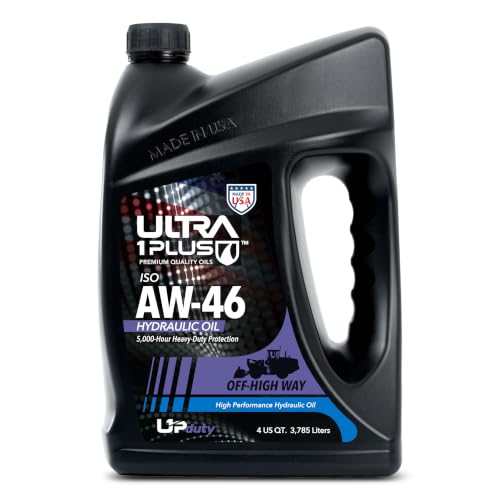
SUPERIOR ANTI-WEAR PROTECTION: Advanced iso 46 hydraulic oil formula with AW additives shields vane, piston, and gear pumps from friction. Extends life and reduces downtime in industrial equipment.

【hydraulic oil filter Compatibility】: This log splitter hydraulic oil filter is compatibly for MTD Cub Cadet 723-0405, 723P0405, WD-900-8041; For Ariens 03931900; For Caterpillar 665934, 773492; For Clark Equipment 6541193; For Exmark 103-2146; For Gravely 03931900, 0931900, 09414200; For Jacobsen 118017,885249.221006,CP-752-10

The product is 2GAL Log Split Hydraulic Oil
When to Change Oil for Longevity
You’ll notice that the health of your hydraulic system hinges on how often you swap out the oil, and the good news is that you don’t need a PhD in fluid dynamics to keep it running smoothly. For most wood chippers, change after the first 8 hours, then every 50 hours; log splitters with premium fluid can stretch to 150 hours, but heavy‑use models need 25‑50 hours. The key to longevity timing is watching the oil’s color and consistency—cloudy or gritty means change now. Seasonal scheduling helps: if you only run the machine on weekends, a once‑a‑year change aligns with the season, while heavy users should aim for twice‑yearly swaps. Keep a log, stay consistent, and your system will stay clean and strong. Always inspect the hydraulic fluid level before each use to catch low or contaminated fluid early. Remember to inspect the reservoir regularly to verify the fluid is at the proper level and free of debris. Never neglect to check the dipstick for accurate level readings and to spot any signs of contamination.

The WC68H PTO Hydraulic Wood Chipper is engineered for landowners, farmers, and property managers who need reliable, high-capacity wood processing. Designed to pair with tractors from 20–50 HP, this 6-inch chipper delivers powerful performance through its PTO drive system and hydraulic infeed, ensuring smooth, consistent feeding of branches, brush, and timber.
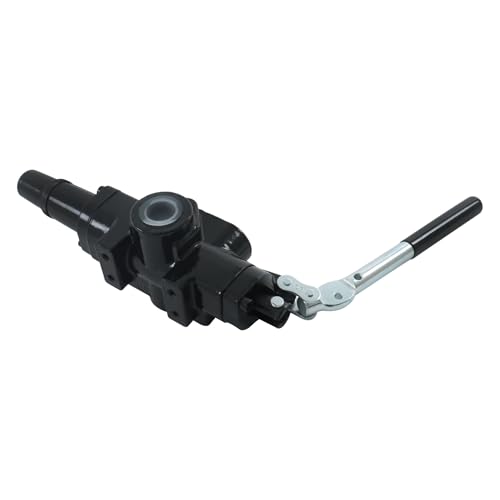
Specification: Max flow: 30gpm, preset pressure: 2250psi, max pressure: 3625psi, inlet / outlet ports on the side: 3/4 npt, top ports going to the cylinder: 1/2 npt

Part Numbers: 918-0481A 917-0899 918-0481 718-04706P 717-0899 717-0899-0483 717-0899-0637 717-0899-0638 717-0899-0648 717-0899-0662 718-0481 718-0481-0498 718-0481-0637 718-0481-637 718-0481A
How to Drain, Refill, and Stop Leaks in One Simple Routine
When you’re ready to give your log splitter a fresh start, the whole drain‑refill‑leak‑stop routine can be tackled in under an hour if you follow a simple, step‑by‑step plan. First, tip the splitter onto the support leg opposite the motor and run your Quick‑drain checklist: place a 4‑liter container under the drain bolt, unscrew it with the dipstick, and disconnect the lower hoses for full drainage. Clean the dipstick and bolt threads, then reinstall a new filter if you have one. Re‑tighten the bolt, add a leak‑prevention additive, and reconnect hoses with clamps. Tip the machine onto the motor end, fill to the sight‑glass mark, and verify the level on a cold, flat surface. Finally, check for drips, tighten any loose clamps, and you’re good to go. Ensure the reservoir is fully emptied before refilling to prevent lingering contaminants. Proper disposal of any spilled hydraulic fluid using sealed, labeled containers protects the environment and complies with local regulations. Always wear protective gloves to guard against accidental contact with pressurized fluid. Bleeding a hydraulic cylinder can be performed safely even without a dedicated bleeder valve by following a systematic purge procedure.