If your yard is under two acres and you only have 2‑3‑inch branches, a lightweight electric chipper with a 3‑inch feed will do the trick—quiet, easy to store, and virtually maintenance‑free. For medium‑size properties (2‑10 acres) with 3‑6‑inch limbs, a gas‑powered mid‑duty model gives you the power and portability you need, while a PTO‑driven unit is best for large lands (10+ acres) handling 9‑inch‑plus limbs and requiring a tractor. Match the chipper’s capacity to about 80‑90 % of your typical workload, and you’ll avoid jams, excess fuel use, and costly over‑spec’ing. The good news is that picking the right size saves time and money, and the next sections will show exactly how each power source and duty class fits your specific yard tasks.
Property Size Determines the Ideal Wood Chipper Size
If you own a small lot—say up to a couple of acres—the right wood chipper doesn’t need to be a beast. You’ll want a lightweight, electric model that handles 2‑3‑inch branches, fits in your garage, and lets you feed with one hand. Because you’re only pruning occasionally, woodper maintenance stays simple: clean the screen after each run and check the blade tension once a season. Seasonal storage is a breeze; just roll it onto a shelf and cover it when winter hits. For a medium property (2‑10 acres), step up to a gas‑powered chipper that tackles 3‑6‑inch limbs, yet still fits in a shed. For the right size, match the chipper’s capacity to about 80‑90 % of your typical workload, and you’ll avoid extra fuel costs and unnecessary wear. Modern chippers often use a drum mechanism that efficiently processes larger limbs. Backpack blowers are ideal for large properties because they reduce fatigue during prolonged use. Understanding the payback period helps you determine when the investment becomes profitable.
Electric, Gas, or PTO? How Power Affects Size
When you’re deciding between electric, gas, or PTO‑driven wood chippers, the power source you pick directly determines how big a branch you can chew through and how fast the job moves. Electric units are quiet, so noise safety is a win for residential neighborhoods, but they cap at about 3 inches and need an outlet, keeping maintenance cost near zero. Gas models give you 2‑4 inch capacity, portable power, and faster feed rates, yet they roar, emit fumes, and demand oil changes and spark‑plug checks, bumping up maintenance cost. A PTO‑driven chipper pulls torque from your tractor, handling 4‑8 inch limbs with minimal moving parts, so you get high throughput and lower maintenance cost, though you must own a tractor. The good news is each option matches a different yard size and budget, so you can pick the one that fits your noise‑safety concerns and how much you’re willing to spend on upkeep. Echo’s lighter design makes it especially suitable for residential use where maneuverability is key. Proper hydraulic fluid selection ensures the chipper’s hydraulic system operates smoothly and reliably. Using a fluid that remains nearly incompressible under normal conditions maximizes power transmission efficiency.

POWERFUL PERFORMANCE: 15-AMP motor shreds branches up to 1.8-inches in thickness into garden mulch

Smooth Feeding: Driven by a 15A motor running at 4000RPM with high-temperature-resistant copper windings, this wood chipper delivers strong, steady pulling power that draws branches into the blades with minimal effort on your part. The dual-chute hopper lets you feed branches through separate openings based on their size, minimizing jams and kickback.
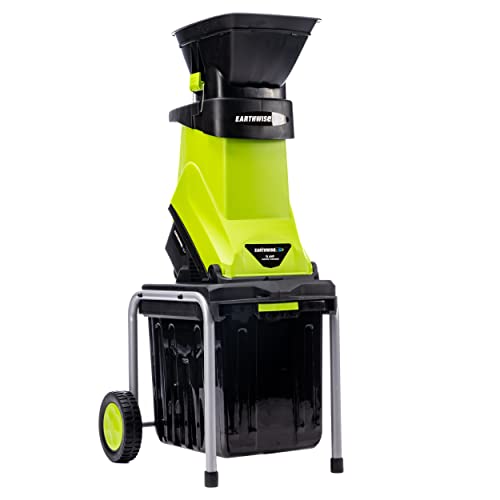
Powerful 15-Amp Electric Motor: Delivers strong, consistent performance to chip branches and shred yard waste up to 1.5–1.8 inches thick—perfect for sticks, brush, and seasonal cleanup without gas or fumes.
Light‑Duty (3‑4”) Wood Chipper Size: When They’re Enough
A 3‑4‑inch light‑duty wood chipper is often all you need for a typical suburban yard, and the good news is it won’t hog your garage or your budget. You’ll handle branches up to four inches, but most electric models cap at about 1.5‑1.7 inches, while a 10 HP gas engine tackles three‑inch limbs with ease. The compact 24‑by‑35‑by‑37‑inch frame slides through gates, and the foldable chute cuts transport size. Because it’s lightweight—around 120 lb—you can move it without a tractor, keeping maintenance cost low. Just keep the hopper clean and check the roller for wear; that simple routine boosts maintenance safety and prolongs life. For a small yard with a couple of trees, this size is more than enough. The flywheel design provides cutting action independent of engine power. Building a sturdy frame for a log splitter can be done with basic tools and fasteners, and hydraulic cylinders offer a reliable, low‑effort splitting mechanism. Proper PPE must be worn at all times to prevent injuries during operation. Using the correct hydraulic fluid ensures the cylinders operate smoothly under high pressure.

POWERFUL: 224cc Champion single-cylinder OHV engine with a .92-gallon fuel tank and .63-quart oil capacity provides the power for fast, heavy-duty and hassle-free chipping and shredding

CERTIFIED 212CC ENGINE: Driven by a 7.0HP 4-stroke OHV gas engine, this wood chipper hits 3600 RPM. A 15:1 reduction ratio and 0.95-gal tank (87+ unleaded gas) ensure you clear yard waste fast and cleanly.

3-in-1 Wood Chipper: VEVOR wood chipper combines chipping, shredding, and mulching. The top chute handles wood up to 1 x 2 inches, the side chute tackles branches up to 2 inches, and it connects to a leaf vacuum for efficient mulching.
Mid‑Duty (5‑8”) Wood Chipper Size: Best Fit for Moderate Acreage
A mid‑duty wood chipper that handles 5‑to‑8‑inch limbs is the sweet spot for anyone with a couple of acres to tend. You’ll find it perfect for 2‑5 acre properties, orchard pruning, and fence‑line clearing. The steel frame and self‑feeding design keep throughput steady on uneven terrain, while the 224cc‑7.5 HP gas engine offers portability and the 15 HP disc option handles frequent use. The good news is it meets current safety standards without a bulky enclosure, so you can stay confident while you work. What most people don’t realize is that maintenance is simple: a regular maintenance schedule of blade sharpening, oil checks, and bolt tightening keeps it humming for seasons to come. Using the proper hydraulic fluid viscosity, such as ISO VG 32‑46, ensures optimal performance under typical load conditions. A hydraulic ram pump can provide the necessary pulsating surge to drive the chipper’s motor in off‑grid setups.

SK5 High-Carbon Steel, Rust-Resistant and Durable: Crafted from high-grade SK5 steel with high-temperature quenching and heat treatment, hardness up to 61-63HRC. Rust-proof, corrosion-resistant, and ultra-sharp for clean cuts through hard woody materials.

Left Handed
Heavy‑Duty (10+) Wood Chipper Size: Choosing Power for Large Land
If you’ve outgrown the 5‑8‑inch sweet spot, you’ll need a chipper that can chew through 9‑inch‑plus limbs without choking up. Heavy‑duty (10+) models handle branches larger than 9 in, so you’ll want at least 75 HP on a tractor or a PTO that can deliver 18‑100 HP, depending on size. Look for hydraulic forced feeding and dual rollers—these keep the feed smooth and cut time down. The good news is that a 100‑HP tractor can run a WC‑8H comfortably, while a ZS‑600 will run on a 35‑50 HP diesel engine. Remember, chipper maintenance is key; regular blade checks and oil changes prolong life. A solid chipper warranty protects you from costly downtime. Hydraulic fluid degradation can cause reduced pressure and overheating in heavy‑duty equipment. Before checking fluid levels, always inspect the reservoir for cracks or leaks. Proper pressure regulation ensures consistent performance across varying load conditions.

Ideal for turning branches and twigs into nutrient-rich garden mulch

POWERFUL - This Wood Chipper Shredder Mulcher has an all powerful recoil starting AlphaWorks 7HP Horizontal 4-stroke Single Cylinder OHV Gas Powered Engine producing 3600RPMs & a rowdy 10.7 ft lbs of torque, handling up to 3" diameter wood without a problem

SPECIFICATIONS - This Universal Wood Chipper Collection Bag is designed to work with GreatCircleUSA, Tazz & Earthquake Chippers. The Collection Bag is made of a Polyester/Nylon Heavy Duty Mesh at a Large 24” inch by 48" Inch Long.(WOOD CHIPPER NOT INCLUDED) Combine this w/ a Tow Bar Kit & you’re ready to tackle any project (Tow Bar Not Included)
Which Wood Chipper Sizes Work With Electric, Gas, and PTO?
When you’re figuring out which wood‑chipper size fits your power source, the key is matching the chipper’s feed capacity to the strength of your electric outlet, gas engine, or tractor PTO. Small electric models handle 2‑3‑inch branches, perfect for suburban yards and light cleanup. For up‑to‑4.5‑inch limbs, the MDWC1500 gas unit gives you 13.5 HP, medium‑high power, and you’ll need a ventilated area. PTO‑driven options start at 5‑inch capacity for 12‑50 HP tractors and go up to 8‑inch for 35‑100 HP machines like the WC88. Remember, proper maintenance—cleaning blades and checking oil—keeps performance steady, and always follow safety guidelines: wear gloves, eye protection, and keep bystanders clear. Selecting the right pump type, such as a high‑pressure piston pump, ensures the chipper can maintain consistent flow and pressure under heavy load. Understanding airflow speed helps you compare how efficiently each model can process material. Using hydraulic fluid with the right viscosity range protects the pump and extends equipment life.
Undersized vs. Oversized Chippers: Cost Impact
Because you want to get the job done without draining your wallet, understanding the cost impact of picking a chipper that’s too small or too big is essential. An undersized unit strains its engine, so you’ll see higher fuel use, frequent jams, and mounting repair bills that eat into your profit. Labor spikes because you spend extra time maneuvering unchippable wood, and tipping fees rise when you can’t process whole logs. On the flip side, an oversized chipper guzzles fuel even on modest jobs, and its upfront price can be tens of thousands plus higher insurance cost and finance charges. Both extremes hurt maintenance efficiency and can void warranty considerations if you push the machine beyond its design. The good news is that matching capacity to about 80‑90 % of your typical volume keeps maintenance low, insurance cost reasonable, and warranty intact. Monitoring hydraulic fluid temperature helps prevent overheating that can damage the system. Keeping an eye on operating temperature limits ensures the hydraulic system stays within safe bounds. Properly draining hydraulic fluid before maintenance reduces the risk of spills and environmental contamination.

High-Torque Motor & Reversible Blade: Powered by a steady 15 Amp,4500 RPM motor,this electric wood chipper shredder processes branches up to 1.8 in thick.Functioning as a practical mini wood chipper,its reversible double-sided blade extends service life and reduces downtime.As a consistent branch shredder for daily backyard pruning,it delivers steady output for homeowner gardeners processing dense vegetation without frequent halts or power loss

MULTI-FUNCTION CAPABILITY; This 3-in-1 Wood Chipper Shredder Mulcher design has a Reduction Ratio of 15:1 when using the top Hopper for 1/2" MAX volume Chipping/Shredding; Side Chute for 3" MAX branch/limbs, or the attachable leaf vacuum for mulching

🔥 POWERFUL 7HP ENGINE: Equipped with EP-A certified 212cc 4-stroke OHV gasoline engine delivering 3600 RPM for superior chipping performance. Recoil start system ensures reliable operation in various conditions with reduced emissions.
Real‑World Size Choices for Common Yard Tasks
What makes a wood chipper feel just right for the job you’re tackling? For a light yard cleanup you’ll love a 208cc or single‑handed electric model that shreds dry brush and thin limbs up to 3‑4 inches. It’s easy to store, and the maintenance maintenance is simple—just clear the hopper and check the blade after each use. If you have a 2‑5‑acre property and seasonal tree work, step up to a 5‑6 inch gas‑powered unit; it handles 2‑5‑inch branches and keeps your safety protocols straightforward with a guard and shut‑off switch. For orchard tasks on 5‑10 acres, a 6‑8‑inch hydraulic chipper tackles tougher wood while still being easy to service. The good news is you can match size to task without over‑paying for unused capacity.
Checklist: Choose the Right Wood Chipper Size for Your Yard
Choosing the right wood chipper size starts with a quick look at your yard’s size, how often you’ll be chipping, and the biggest branches you need to handle. First, measure your property: under 2 acres means a 3‑4 inch unit; 2‑5 acres calls for 5‑6 inch; 5‑10 acres works best with 6‑8 inch; 10+ acres needs 10‑12 inch. Next, tally how many times you’ll chip each season—occasional use favors compact models, regular use needs more power, heavy use demands durability. Then, check the biggest limbs you’ll cut; don’t undersize or you’ll waste time and fuel. Finally, factor in maintenance safety and maintenance cost: larger gas or oil engines cost more to service, while electric units stay cheap and safe for light jobs.