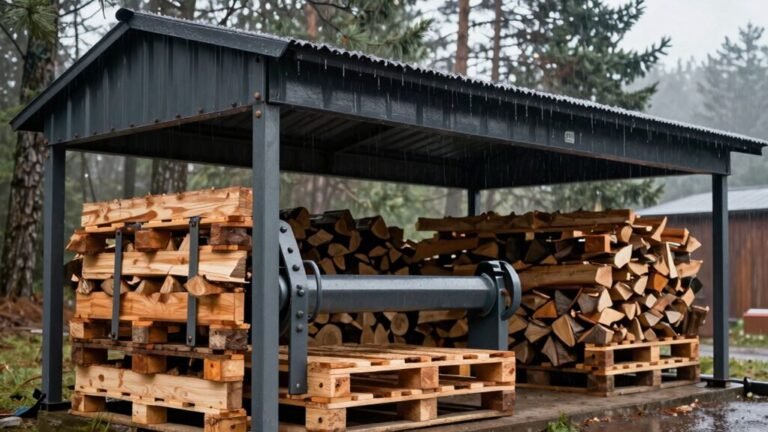
You’ll want a spool‑type directional valve—3‑way for single‑acting cylinders and 4‑way for double‑acting ones—because they give you quick, reliable on/off control and keep the cutter or ram from reversing. Pair it with a throttle or speed‑control valve for smooth cutter speed, and choose chrome‑plated spools with an integrated check valve to resist corrosion and back‑flow. The good news is these parts are easy to swap and maintain, and if you keep an eye on O‑rings and detent wear, you’ll avoid most downtime. The rest of the guide shows how to size and match them to your tractor’s hydraulic system.
Common Hydraulic Valve Types for Wood‑Processing Equipment
When you’re wiring up a wood chipper or a log splitter, the first thing you’ll notice is that the hydraulic system isn’t a mysterious black box—it’s built around a handful of valve families that each do a specific job. You’ll see spool valves, where a cylindrical core slides to direct fluid, and you’ll choose 2‑way, 3‑way, or 4‑way versions depending on whether you need simple on‑off control, single‑acting or double‑acting cylinders. For speed and pressure stability you’ll add throttle or speed‑control valves, and a check valve will stop backflow when the load drops. Valve material selection matters; stainless steel resists corrosion in outdoor rigs, while brass cuts cost. Finally, maintenance schedule optimization means checking seals and cleaning ports every 250 hours to keep your equipment humming. Understanding pressure flow relationships helps you size valves correctly for the torque required in wood processing. Proper hydraulic fluid viscosity ensures smooth valve operation across temperature changes.
How Open vs. Closed Hydraulic Systems Influence Valve Choice
If your tractor’s hydraulic system runs open‑center, the fluid just keeps flowing through the valve even when nothing’s moving, so you’ll need a valve that can handle that constant stream without choking the pump. In open‑center setups, system pressure stays low until you engage the splitter, so you’ll want a valve with a wide neutral passage and robust valve durability to avoid overheating. Closed‑center systems, on the other hand, block flow in neutral, building standby pressure that the pump must maintain; here you need a pressure‑compensated valve that reacts quickly and won’t wear out under high‑load spikes. Matching the valve type to your tractor’s architecture keeps the pump happy, prevents heat buildup, and guarantees smooth, reliable chipping or splitting. The cylinder’s size and flow rate directly affect the cutting force and speed, making hydraulic power essential for efficient wood processing. Selecting the correct pump type, such as a gear pump or piston unit, further optimizes system performance. Proper metal corrosion prevention ensures long‑term reliability of both hydraulic and wood components.
How 3‑Way Directional Valves Keep Wood Splitters Safe From Reverse Flow
Open‑center systems let fluid idle through the valve, but a 3‑way directional valve stops that idle flow from ever pushing the cylinder the wrong way. When you pull the lever into the L‑port, the seal locks the rod end and blocks the cap end, so no reverse pressure can creep in. The valve’s ergonomic lever travel limits rotation to 90°, giving you a firm, predictable feel and preventing accidental over‑switching. If a leak starts, the zero‑leak shut‑off seals give you instant leakage detection – you’ll feel a pressure drop before anything dangerous happens. Positive relief to tank dumps any trapped pressure, and the spring‑offset fail‑safe retracts the cylinder if power is lost, keeping your splitter safe and reliable. Always inspect the hydraulic fluid level before each use to ensure proper operation and prevent overheating. Properly bleeding the system removes trapped air, which can cause spongy operation and reduced force, so follow the air‑purge procedure to maintain optimal performance. Regular fluid testing can reveal early signs of discoloration before they affect system reliability.

Maximum Pressure: 7250 PSI. Temperature Range: -13 to 212°F (-25 to 100°C). Connection Type: 1/2×1/2 inch NPT thread female connections.

SPECS: 1-spool, 4-way, 3-position directional control valve with tandem spring center. 30 GPM max flow, 3000 PSI max pressure. 3/4" NPT female inlet/outlet and 3/4" NPT female work ports.

【4568 PSI Heavy-Duty Rated】: Engineered for extreme fluid control, handling working pressures up to 4568 PSI (315 bar). Ideal for high-pressure hydraulic equipment, industrial machinery, log splitters, and agricultural implements.
Choosing Between 3‑Way and 4‑Way Valves for Single‑ vs Double‑Acting Cylinders
Choosing the right valve for your hydraulic system is all about matching the valve’s flow pattern to the cylinder’s action, and the difference between a 3‑way and a 4‑way valve is bigger than you might think. If you’re using a single‑acting cylinder—typical in basic log splitters—go with a 3‑way. Its three ports handle extension with power and let gravity or a spring pull the rod back, keeping the circuit simple and cheap. For a double‑acting cylinder, like the ones in most wood chippers, a 4‑way valve is essential; its four ports give you powered extension and retraction, handling higher pressure and flow. Check valve material for durability and guarantee actuator compatibility, so the valve’s ports line up with your cylinder’s needs. This match prevents reverse flow, improves control, and lets you get the most out of your equipment. The float position in a four‑position valve allows free oil flow for pressure release during cylinder return. Proper storage of hydraulic fluid is critical because flammable hydraulic fluid can ignite if exposed to heat or sparks. Using the correct viscosity grade ensures optimal lubrication and prevents premature wear. Selecting a seal with high‑wear polyurethane can further protect the valve from abrasive debris.

Hydraulic directional control valve comes with 2 spool and #8 BSPP in/out ports, and the 2 spool hydraulic joystick fits for small tractors, tractors loaders, log splitters, and so on

Product Details: Our hydraulic pump is outfitted with a 12V DC motor (Power: 1.6-3.0KW) and a 4.5-quart reservoir. The max relief pressure setting is 3200 PSI and the flow rate is 2 GPM. It is a double-acting pump for both power up and power down.
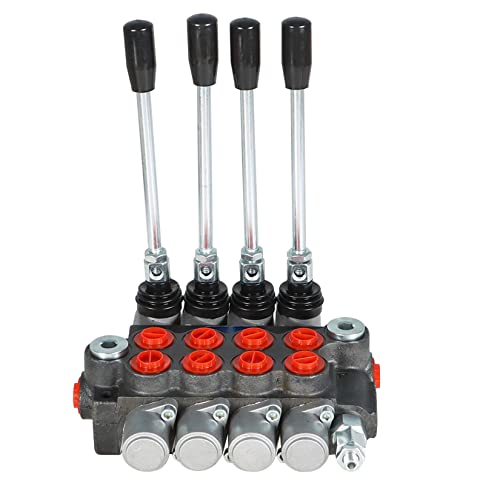
Basic Configuration: Quantity of spools: 4 spool, maximum pressure: 3600PSI, maximum flow: 11GPM, BSPP interface
How to Size Adjustable Relief Valves for Forestry Machines
Ever wondered why your wood‑chipper’s relief valve sometimes seems to “choke” at full throttle? The answer lies in proper sizing. First, grab your pump’s flow rating and calculate the upstream pressure at 110 % of the set point—this guarantees you’re covering the worst‑case surge. Then, use EN ISO 4126‑1 formulas, plugging in the orifice diameter, discharge coefficient (Kd), and fluid temperature. Remember, relief valve considerations include matching the total discharge flow and accounting for viscosity changes in hot weather. Run a safety factor analysis: aim for a valve that can handle at least 1.25 × the peak flow without choked flow. Finally, verify the downstream pressure stays near 0 PSIG when venting, and you’ll avoid undersized or oversized surprises. The detent and relief settings are identical across these valve models. A hydraulic ram pump can convert water flow into a pulsating surge that drives the piston, providing a simple power source for off‑grid wood chippers. Understanding water hammer dynamics helps optimize the pump’s efficiency and longevity. Properly monitoring hydraulic fluid temperature is essential to prevent overheating and maintain optimal viscosity.
How to Set the Right Pressure Limits With Adjustable Relief Valves
If you’ve ever tried to dial in the perfect pressure on an adjustable relief valve for your wood‑chipper or log splitter, you know it can feel like a guessing game—until you understand the simple steps that keep the system safe and efficient. First, depressurize, remove the pressure tag wire, and install a calibrated pressure gauge. Loosen the locknut, then turn the adjustment screw clockwise for a higher setting or counter‑clockwise for lower, never exceeding one full turn per tweak. Use an Allen wrench or screwdriver as needed, then retighten the locknut to manufacturer torque. Set the pump compensator about 200 PSI above your target, watch the gauge, and adjust until the valve opens at the desired point. Run three pump cycles, watch the needle drop abruptly, and record the set pressure. This pressure valve calibration guarantees pressure safety and prevents noisy, overheated operation. Bleeding a hydraulic cylinder can be performed without a dedicated bleeder valve by locating the highest point in the system and using a clear hose to purge trapped air. Selecting the correct hydraulic fluid viscosity is essential for maintaining consistent pressure response and protecting the valve components. Always check the hydraulic fluid level before adjusting the valve to ensure the system is fully lubricated.
Flow‑Control Valves That Tune Cutter Speed and Splitter Power
When you dial in a flow‑control valve on a wood‑chipper or log splitter, you’re basically telling the hydraulic system exactly how much juice to send to the cutter or ram, and the good news is that a single tweak can smooth out everything from a choppy feed to a sluggish split. You’ll find screw‑in cartridge valves dominate because they give you precise cutter‑speed tuning, while adjustable poppet types let you fine‑tune splitter‑power optimization with an optional free‑reverse check. A bi‑directional needle valve capped at 18 GPM keeps chipper rollers feeding steadily, and a poppet‑style valve up to 36 GPM cranks rack splitter force to its 3000 PSI limit. Detent features lock the valve in run position, so you enjoy hands‑free, consistent performance without hunting for the right flow setting. Properly resetting the pressure‑release valve can prevent the roller from stopping when feeding dense material. Operators should always wear appropriate PPE to avoid hydraulic fluid skin contact and inhalation risks. Before priming, always inspect the reservoir for contaminants to ensure clean fluid circulation.

Part Name: Hydraulic Control Valve Handle

Side-ported adjustable flow control valve used to stop or start a hydraulic motor or cylinder
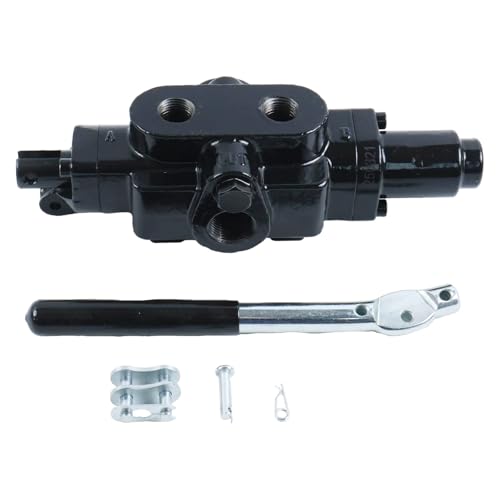
Part Number: 900-3908-62 C908 900-3909-89
How to Match Valve GPM and NPT Sizes to Your Tractor’s Hydraulic System
You’ve probably noticed that the right valve makes or break a wood‑chipper or log splitter, but the trick isn’t just picking a high‑flow part—it’s matching that valve’s GPM rating and NPT thread size to what your tractor’s hydraulic system can actually deliver. First, check your tractor pump selection; the pump flow rating on the data plate or tractor‑data.com tells you the maximum GPM you can expect. Then pick a valve whose GPM rating is at or just above that number—10, 14, 20, 21, or even 27 GPM, depending on your load. Next, look at NPT sizing: SAE #8 O‑rings fit 3/4″‑16 ports for lower‑flow valves, while SAE #10 handle 7/8″‑14 ports for higher‑flow ones. Matching both guarantees smooth flow, proper pressure, and reliable performance. Choosing the proper hydraulic fluid viscosity, such as 32–46 cSt for light‑duty units, further ensures optimal valve operation.

Side-ported adjustable flow control valve used to stop or start a hydraulic motor or cylinder

Product Name: Hydraulic Adjustable Variable Flow Control Valve With Relief

25 MICRON FILTRATION: Return-line filter assembly captures contaminants as small as 25 microns from hydraulic fluid, helping ensure cleaner oil re-enters the reservoir for improved system efficiency and performance.
How Chrome‑Plated Spools and Integrated Load Checks Extend Valve Life
Because wood‑chippers and log splitters slam the hydraulic system with rapid, high‑force cycles, a valve that can survive those shocks is essential. Chrome durability gives your spool a hardened surface that resists galling, cavitation and corrosion, so the valve keeps moving smoothly even when the chipper is running at 45 Hz. The good news is that hard chrome plating also retains oil in micro‑cracks, giving extra lubrication and reducing seal wear. Load‑check integration then steps in, holding the load until flow can resume safely, which stops pressure spikes and back‑flow that would otherwise bruise the spool. Together they spread forces evenly, prevent localized wear, and let you go months between repairs. What most people don’t realize is that this combo can push service life from a few hours to over a hundred hours of heavy‑duty use.

Hydraulic Spool Valve: Equipped with 6 spools and 1/2" BSPP type ring inlet/outlet port. Maximum pressure of this hydraulic is 3600 PSI, and maximum flow can reach 11 GPM. The opening and disconnection of hydraulic oil are controlled by connecting the valve to the oil line.

Hydraulic 2 Spools Valve: Equipped with 2 spools and G1/2" type inlet/outlet ports. Maximum pressure of this hydraulic is 3600 PSI, and maximum flow can reach 11 GPM. Widely used in small tractors, tractor loaders,log diverters and other machinery.

Hydraulic 4 Spools Valve: The hydraulic flow control valve equipped with 4 spools and G1/2" type inlet/outlet ports. Maximum pressure of this hydraulic is 3600 PSI, and maximum flow can reach 11 GPM. Widely used in small tractors, tractor loaders,log diverters and other machinery.
Valve Replacement Triggers and Maintenance Checklist for Wood‑Processing Attachments
So, what tells you it’s time to pull the valve out of your wood‑chipper or log splitter? You’ll notice vibration wear shifting the detent out of its run position, or the handle pin feels loose when you try to engage the flow. Start each inspection with a quick seal inspection—look for cracked O‑rings, leaking fluid, or a spooled surface that’s gritty. Then check the detent positions for any neutral drift, tighten any Allen screws, and verify the spool holds under load. Replace the valve if O‑rings are cut, seals leak, or the detent pops repeatedly. Keep a checklist: daily detent check, every 50‑hour O‑ring review, quarterly screw tightening, weekly hold test, and immediate swap when you see hydraulic fluid loss. This routine catches problems before they cost you a full valve replacement. Ensure the spring is centered within the housing to maintain proper detent function.