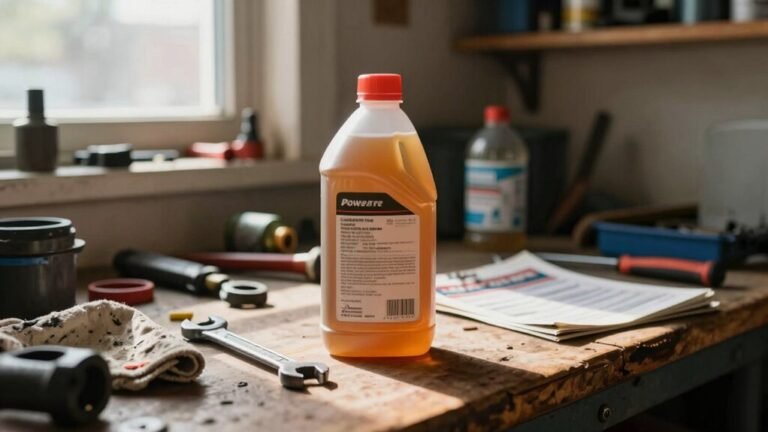
Yes, hydraulic fluid does go bad, and you’ll notice it the moment it turns milky, smells burnt, or starts foaming. Those signs mean oxidation, water, or air have already started breaking down the fluid’s protective film, causing sludge, reduced viscosity, and erratic pressure spikes. The main culprits are heat spikes, metal particles, and contaminated seals that let water in. Keep your system clean, replace filters before they clog, bleed out air after every change, and monitor pressure trends—then you’ll catch problems early and keep your leaf blower, wood chipper, or log splitter running smoothly.
Spot Bad Hydraulic Fluid Quickly
If you’ve ever pulled the hose off a wood‑chipper or checked the reservoir on a log‑splitter, you’ll know that the fluid’s look can tell you a lot before anything else goes wrong. Start by opening the tank and giving the fluid a quick visual check. Clear amber or pale yellow means you’re good; milky, cloudy, or darkened fluid screams contamination. Smell it—if it smells like varnish or burnt rubber, act fast. Next, run a filter inspection. A clogged or discolored filter is a red flag and helps with contamination tracing, showing you whether water, metal particles, or air are the culprits. Spotting these signs early saves you costly repairs and keeps your equipment humming. Proper handling and storage prevent hazardous exposure to operators and the environment. Hydraulic fluid flammability can be a serious fire risk if the fluid overheats or contacts a spark. Using a centrifuge dehydration process can efficiently separate water from the hydraulic fluid without disassembly.
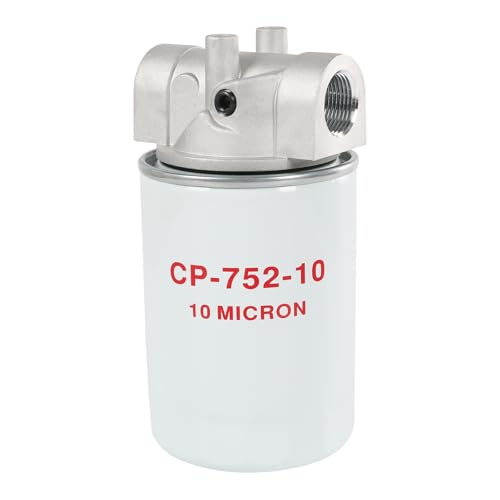
[HYDRAULIC OIL FILTER] The 10-micron hydraulic oil filter assembly is designed to remove contaminants from petroleum-based, high water, water glycols, and water/oil emulsions fluids, it's best suited for cleaning petroleum-based fluids

Universal Compatibility: Fits models 723-0405, 723P0405, WD-900-8041,221006,cp-752-10, 120-818,6515541and log splitters/mini excavators.

Replace Part Number: 4265229M92 4265229M1
Identify the Main Causes of Hydraulic Fluid Degradation
When you’re out there running a wood‑chipper or a log splitter, the fluid inside your hydraulic system is constantly fighting heat, pressure, and the inevitable wear and tear of the job. The main culprits behind fluid degradation are oxidation, contamination sources, and mechanical stress. Oxidation accelerates when metal particles like iron or copper sit in hot oil, turning it thick and forming sludge. Contamination sources such as dirt, metal shavings, and water slip in through worn seals or during maintenance, acting as catalysts that speed up oxidation and clog filters. Mechanical stress—cavitation, extreme pressure spikes, and insufficient lubrication—creates hot spots and micro‑abrasions that break down the oil’s additives. Together, these forces turn your once‑clean fluid into a gritty, viscous mess that harms performance. Proper hydraulic fluid also requires viscosity stability to ensure consistent power transmission across temperature changes. Understanding corrosive properties of hydraulic fluids helps prevent damage to metal and wood components. Selecting the right rod seal material can significantly reduce leakage and extend fluid life.
Understand How Heat, Air, and Water Accelerate Hydraulic Fluid Breakdown
Heat, air, and water are the three sneaky culprits that turn your once‑smooth hydraulic fluid into a gritty, thin‑as‑water mess, and they don’t work alone. Heat spikes thermal viscosity, making the fluid thin and stripping its protective film. At the same time, air oxidation kicks in, rust acids and sludge formation that cling to pistons and valves. Water hydrolysis adds another layer of trouble, breaking down base oil and speeding additive depletion, so rust and corrosion appear faster. When you combine heat and air, oxidation accelerates, and the sludge you see can choke filters. Add water into the mix raises cavitation risk, especially in cold‑thickened fluid, because vapor pockets collapse and erode metal. The good news is keeping the system sealed, cool, and dry dramatically slows these processes. Operators should also be aware of the sweet petroleum‑like odor that indicates normal fluid condition. Using the correct hydraulic fluid type for wood‑processing equipment ensures proper viscosity and additive performance. Monitoring the operating temperature range helps prevent overheating and extends fluid life.

Anti-Wear Hydraulic Protection: Formulated with advanced anti-wear additives and FMX Technology to help reduce friction, minimize component wear, and extend equipment life.
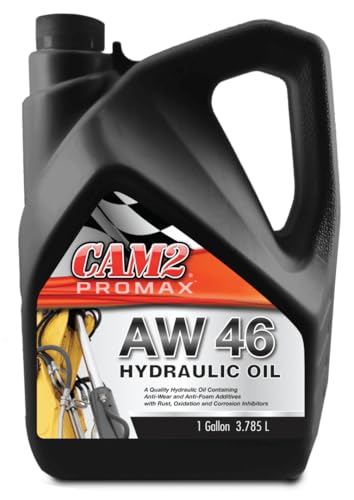
PREMIUM QUALITY: AW 46 hydraulic oil formulated with anti-wear and anti-foam additives for superior performance and equipment protection
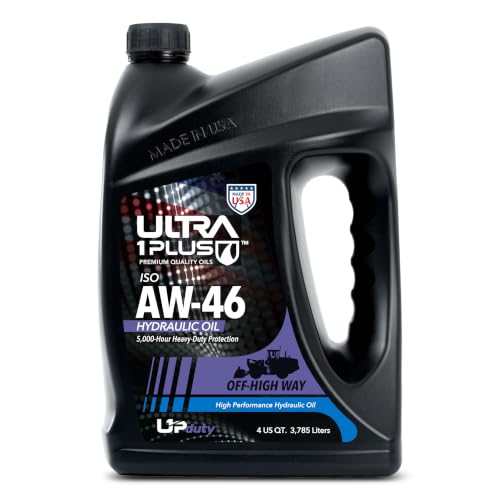
SUPERIOR ANTI-WEAR PROTECTION: Advanced iso 46 hydraulic oil formula with AW additives shields vane, piston, and gear pumps from friction. Extends life and reduces downtime in industrial equipment.
Recognize Performance Symptoms of Deteriorated Hydraulic Fluid
After you’ve seen how heat, air, and water can slowly poison your hydraulic fluid, the next thing you’ll notice is how the machine starts to misbehave. You’ll feel reduced system pressure as clogged filters choke flow, and valves may stick because degraded particles block them. Actuators will crawl; cycles lengthen and cylinder motion becomes jerky. Unusual noises—whining pumps, gurgling reservoirs, screeching cavitation—signal trouble. Overheating follows, and the fluid color shifts to a dark, amber hue, while fluid viscosity drops, making the system feel “slippery.” Foaming introduces air bubbles that compress, causing erratic pressure spikes and unpredictable controls. Those signs together tell you your hydraulic fluid is deteriorated and needs attention. The fluid’s near‑incompressibility is essential for transmitting power efficiently. Properly sized hydraulic pumps ensure adequate flow and pressure for wood processing tasks. When checking fluid levels, always consult the equipment’s service manual for the correct reservoir capacity and inspection procedure.

BUILT FOR RUGGED ENVIRONMENTS: Designed for heavy duty vehicles and off-road equipment

[Replace Parts Number] HH660-36060 3438856M2 K7561-14080 HHK72-14080 1972202-C1 1972202C1 120-694 66021-36060 1804084 3I1164 3I-1164

25 MICRON FILTRATION: Return-line filter assembly captures contaminants as small as 25 microns from hydraulic fluid, helping ensure cleaner oil re-enters the reservoir for improved system efficiency and performance.
Apply Practical Prevention Steps
Ever wonder how you can keep your leaf blower, wood chipper, or log splitter humming smoothly without suddenly losing power or hearing that dreaded whining? Start by choosing the right filter material for your system—high‑precision, pressure‑rated media catches wear particles before they reach valves. Install a return‑line filter and a pressure‑line filter; the former is your cheapest contamination‑control win, the latter protects servo valves. Follow fluid‑compatibility maintenance protocols: use dedicated pumps, clean hoses, and sealed containers when you transfer fluid. Keep your workspace dust‑free, plug any open ports, and inspect seals and hoses regularly. Replace filters before they clog, and always verify new fluid meets cleanliness specs. These simple steps keep your hydraulic fluid clean and your equipment running strong. Check the hydraulic fluid level before each use to catch low or contaminated fluid early. Properly torque the cylinder head to avoid seal distortion during reassembly. Bleed the cylinder after any fluid change to remove trapped air and maintain optimal performance.

25 Micron, 25 PSI Bypass

DEPENDABLE CONTAMINANT REMOVAL: Filters hydraulic oil down to 25 microns on the return line, helping keep debris out of the reservoir and supporting long term system reliability.

HIGH FLOW RETURN CAPACITY: Designed to handle up to 50 GPM return flow, helping maintain efficient hydraulic system performance by allowing proper fluid movement back to the reservoir without restriction under normal operating conditions.
How to Test Hydraulic Fluid Early and Catch Problems Fast?
If you want to catch hydraulic fluid problems before they turn your leaf blower or log splitter into a costly repair, start with a quick visual check. Pull a vial of fresh oil and compare its color and clarity to a sample from your system; any darkening or cloudiness signals viscosity aging. Give both viles a shake—old fluid will slosh differently. Next, inspect the filter: look for rips, tears, or a coating of filter debris. Wipe the element with a magnet to pull out metal shavings; a lot of metal means wear. Finally, take a small sample from the reservoir, rub it between thumb and forefinger, and feel for gritty particles. These simple steps let you spot contamination early, before it costs you a broken pump. Proper sampling requires verified delivery of the oil sample kit to ensure accurate analysis. Use appropriate absorbent pads to contain any spill while you collect the sample. Remember to bleed the system after sampling to avoid introducing air bubbles. Understanding how a directional control valve directs fluid flow can also help you diagnose pressure issues early.

Precise Reading Gauge: Five pressure gauges provides five measuring ranges: 0-10bar/150psi, 0-100bar/1500psi, 0-250bar/4000psi, 0-400bar/6000psi, 0-600bar/10000psi. The clear and precise scale ensures accurate pressure measurement, and there are two units on the scale, both efficient and convenient.
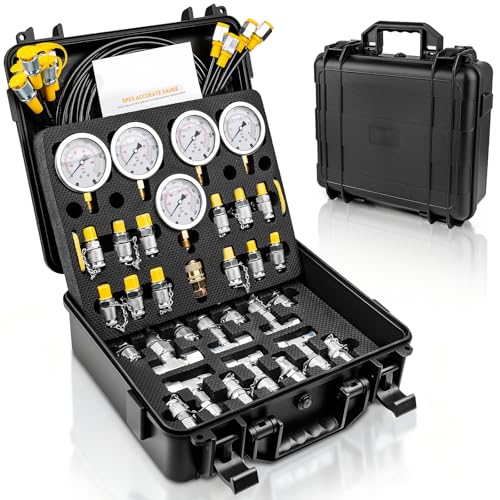
WIDE COMPATIBILITY: Works with most excavator brands and hydraulic machinery. Suitable for construction, mining, industrial, marine, and petroleum applications

GRYVOZE Hydraulic Pressure Test Kit - Includes 5 Hydraulic Test Gauges, 12 Test Couplings, 14 Tee Connectors, 1 Carter Quick Connector, 5 Test Hoses, and a Portable Storage Case.