you’ll waste money picking the wrong machine. Chippers crush branches up to 3 inches thick—fast mulch production, storm debris, logs. Shredders handle leaves, grass, and green waste, creating fine compost-ready material. Chippers need sharper blades and frequent maintenance; shredders are more forgiving. Your debris type decides everything. Got mostly branches? Chipper wins. Leaves and clippings? Shredder’s your tool. Get it wrong, and you’re storing dead weight in your shed while the real work piles up outside.
Material Type: Your First Decision
When you’re standing in your yard looking at a pile of branches, construction debris, or storm cleanup, the first thing you need to ask yourself isn’t “chipper or shredder?”—it’s “what am I actually trying to process?” Here’s the thing: these two machines handle completely different materials in completely different ways, and picking the wrong tool for your job will either leave you frustrated or, worse, damage your equipment.
Chippers excel with woody branches and larger diameter material—they’re built for the heavy stuff. Shredders, meanwhile, prefer leaves, twigs, and smaller debris. Your material grading determines everything. Chippers produce consistent chip size ideal for mulch or composting, while shredders create finer output. Before you rent or buy, honestly assess what’s actually in that pile. Are those branches thick or thin? Green or seasoned? That answer changes everything about which machine you’ll actually need. For optimal performance, consider the hydraulic pressure requirements of a DIY log splitter when choosing your equipment. Understanding the chip size helps you match the output to your garden’s mulching needs. Drum chippers are known for their high throughput when processing tougher wood.
When to Use a Chipper: Branches, Logs, and Storm Debris
Now that you’ve figured out what’s actually sitting in your yard, it’s time to talk about the machine that’ll handle the heavy lifting—and that’s where a chipper shines. You’ll want a chipper when you’re tackling branches up to 2-3 inches thick, storm debris, or larger logs that a shredder just can’t handle. Here’s the thing: chippers excel at volume reduction, turning piles of storm safety hazards into manageable mulch quickly. The good news is that with a solid maintenance schedule—sharpening blades every 10-20 hours—you’ll keep everything running smoothly and prevent jams. Drum chippers work especially well for mixed debris, handling both large branches and smaller material efficiently, making them ideal for post-storm cleanup when you need serious processing power. Always check the hydraulic fluid level before operation to avoid system overheating and ensure optimal performance. Selecting the right pump type, such as a gear pump for reliable low‑pressure flow, can further enhance durability and efficiency.
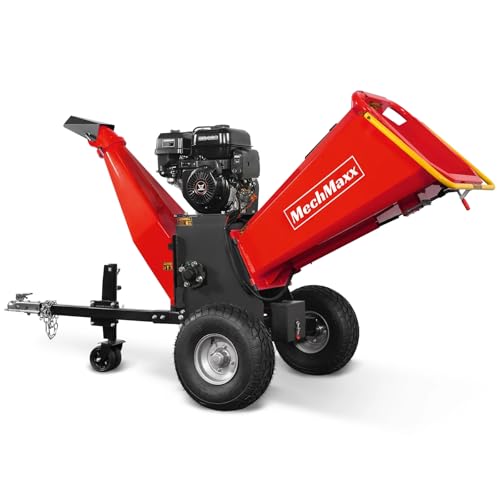
【POWERFUL】This machine adopts ZONSEN 420cc 15hp, 4-stroke, single cylinder, air-cooled, OHV gasoline engine,and equipped with a 12V20Ah lead-acid battery. Upgraded electric start, simple and fast startup. Easily handles up to 5" diameter wood or branch. Stable working,long time chipping,suitable for household,farmers,gardener and horticultural workers use.
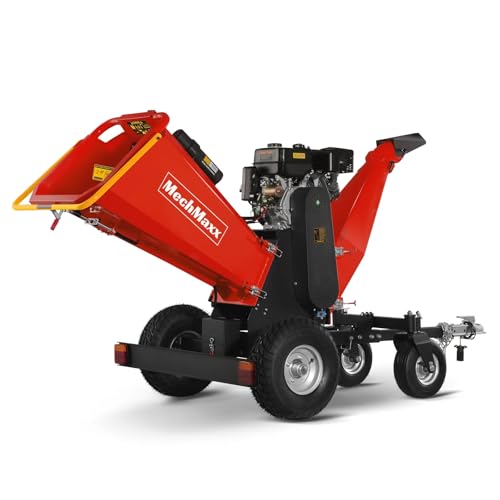
【POWERFUL】❶Adopts ZONSEN 420cc 15hp, 4-stroke, single cylinder, air-cooled, OHV gasoline engine,and equipped with a 12V20Ah lead-acid battery. ❷Upgraded electric start, simple and fast startup. ❸Easily handles up to 6" diameter wood or branch. ❹Stable working,long time chipping,suitable for household,farmers,gardener and horticultural workers use.

【POWERFUL】 B200 wood chipper adopts electric starting 1000cc 35hp 4-stroke air-cooled OHV gas-powered engine,and equipped with a 45Ah 12V lead-acid battery.Easily handles up to 8" diameter wood or branch.Stable working,long time chipping,suitable for household,farmers,gardener and horticultural workers use.
When to Use a Shredder: Leaves, Clippings, and Green Waste
If you’ve got piles of leaves clogging your yard come fall or mountains of grass clippings and garden trimmings stacking up throughout the season, a shredder’s going to be your best friend. Here’s the thing: shredders excel at processing soft green waste like lawn clippings, hedge trimmings, and wilted flowers—material that’d just clog a chipper.
The key to success? Watch your leaf moisture. Dry leaves shred efficiently, but wet leaves cause jams and tank performance. Green leaves may need multiple passes, so let them dry first if you can.
What most people don’t realize is how dramatically shredders reduce volume. Your yard debris becomes compact mulch or compost in minutes. That shredded material supports hot composting timing—you’re looking at finished compost in under four months. It’s an eco-friendly way to transform waste into garden gold. Wet leaves increase the risk of blade slippage and can make the machine harder to control. Using a lawn mower to shred dry leaves can speed up the process and reduce the need for multiple passes. The leaf blower can quickly clear loose debris before shredding, improving overall efficiency.

POWER & PERFORMANCE – Equipped with a robust 15-amp motor and a 2500W brushless motor that spins at an impressive 8,000 RPM, this leaf mulcher processes up to 55 gallons of leaves per minute. Tackle even the largest yard cleanup jobs with industrial-grade efficiency, reducing mountains of autumn leaves into manageable piles in record time

3-IN-1 TRIVAC YARD CLEANUP: Blow, vacuum, and mulch leaves with this 12 Amp tool for lawn care, patios, driveways, decks, and walkways.

Powerful AC electric 13 Amp - 8000 RPM motor with adjustable settings for dry and wet leaves
Chipper vs. Shredder: How the Blades Actually Differ
Behind every chip and shred you’re creating, there’s a completely different mechanical philosophy at work—and understanding the blade difference is honestly the fastest way to figure out which machine you actually need.
Chippers use a single steel knife mounted to a spinning flywheel. It works like a meat cleaver, chopping straight across your material. You’re getting uniform chips, typically 1-3 inches, from rigid woody debris.
Shredders take the opposite approach. They’ve got multiple flails and hammers attacking material from various angles simultaneously. This pulverizes soft leaves and clippings into fine mulch. The 20 serrated blades with varied angles rotate and eject material through a funnel, creating the high surface area that accelerates compost breakdown when applied directly to your heap.
Here’s the thing: blade safety and your maintenance schedule differ dramatically. Chipper blades require sharper edges and more frequent upkeep, especially after hitting soil or stones. Shredder flails? They’re more forgiving with debris and need less specialized care.
Choosing the right machine also depends on the log splitting capacity you need for efficient wood processing. Always inspect the machine before use to ensure all components are secure and functional. Regularly check blade sharpness levels to maintain optimal performance.

781-0490-742-0571-shredder-chipper-blade Replacement Part Number: 942-0544, 742-0544, 942-0544A, 742-0544A, 942-0544B, 742-0544B, 981-0490,942-0571 chipper shredder
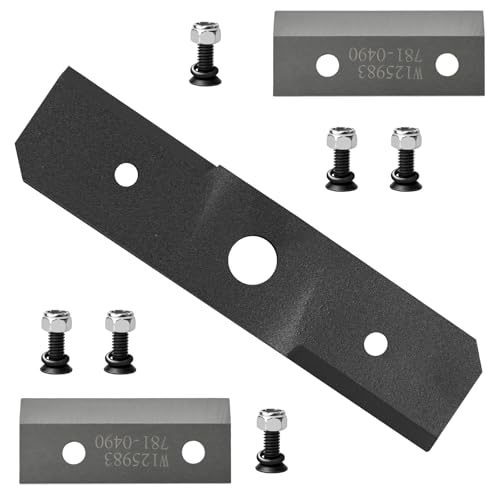
781-0490 742-0571 Chipper Shredder Blade Replace Part Numbers: 981-0490, 781-0490, 942-0571, 742-0571,942-0544, 742-0544, 942-0544A, 742-0544A, 942-0544B, 742-0544B

Part Number: 742-0544 Chipper Blades, replaces part numbers # 742-0653, 781-0490, 981-0490, 942-0544, 742-0544A, 942-0544A, 742-0544B, 942-0544B; Compatible with Troy-Bilt, MTD, Huskee, Yard Machines Chipper Shredder
What You’ll Get: Chip Size and Mulch Quality Explained
The moment you flip the switch on either machine, you’re setting yourself up for completely different end products—and that’s actually the real decision you need to make before you ever buy one. A chipper gives you uniform, chunky wood chips perfect for landscaping—they’ve got serious chip durability and mulch longevity that’ll last seasons. Those consistent pieces work great as ground cover because they look professional and break down slowly.
A shredder? That’s your finely fragmented stuff. It’s messier-looking but honestly better for composting. The crushing action opens material up, so it decomposes fast. The blunt flail blades in shredders crush soft organic materials differently than the cutting blades found in chippers. Here’s the thing: if you’re after that polished, long-lasting mulch look for flower beds, grab a chipper. But if you’re composting garden waste, the shredder’s your workhorse.
Power and Portability: Engine Requirements for Each Type
Once you’ve decided what end product you actually want, here’s where the rubber meets the road—you’ve got to pick an engine that’ll deliver the power without becoming a headache to own and operate.
PTO chippers harness your tractor’s 30–70 HP, handling branches up to 8 inches with serious torque requirements. Gas models pack 5–20 HP engines but manage just 2–4 inches—what most people don’t realize is you’ll need about four times the horsepower for comparable jobs due to material resistance. Stihl BG 86 can be used as a reference for proper fuel‑oil mixing when preparing small gasoline engines.
Here’s the thing: portability matters. Gas chippers go anywhere without cords, though they’re loud and produce fumes. Electric models need outlets. PTO units tie you to your tractor but deliver unmatched fuel efficiency and power. Choose based on your property size and access to electricity. A hydraulic ram pump can provide a self‑sustaining power source for off‑grid chippers. Additionally, electric leaf blowers are known for their quiet operation and zero emissions, making them a more environmentally friendly option for small‑scale wood processing.

🔥 POWERFUL 7HP ENGINE: Equipped with EP-A certified 212cc 4-stroke OHV gasoline engine delivering 3600 RPM for superior chipping performance. Recoil start system ensures reliable operation in various conditions with reduced emissions.

POWERFUL: 224cc Champion single-cylinder OHV engine with a .92-gallon fuel tank and .63-quart oil capacity provides the power for fast, heavy-duty and hassle-free chipping and shredding

High-Torque Motor & Reversible Blade: Powered by a steady 15 Amp,4500 RPM motor,this electric wood chipper shredder processes branches up to 1.8 in thick.Functioning as a practical mini wood chipper,its reversible double-sided blade extends service life and reduces downtime.As a consistent branch shredder for daily backyard pruning,it delivers steady output for homeowner gardeners processing dense vegetation without frequent halts or power loss
Hybrids: The Compromise Machine for Mixed Jobs
If you’re tired of choosing between raw power and versatility, hybrid wood processing equipment might be exactly what you’ve been looking for. Here’s the thing: hybrid efficiency combines diesel engines with energy‑efficient supercapacitors, giving you serious cutting power without constantly maxing out fuel consumption. Models like the TW 280HB process over seven tonnes per hour, handling demanding jobs you’d normally need separate machines to tackle.
What most people don’t realize is that capacity flexibility lets you scale operations based on your actual needs. You’re not locked into one‑trick performance. Whether you’re chipping heavy brush or processing varied materials, hybrids adapt without requiring multiple purchases. The diesel‑hybrid powertrain achieves up to 62 horsepower while meeting Euro Stage 5 emissions standards without requiring additional after‑treatment systems. You get the compromise machine that actually delivers—powerful enough for serious work, efficient enough for your wallet. Proper hydraulic system design is crucial to maintain consistent pressure and flow, ensuring reliable operation under varying loads. Selecting the right hydraulic fluid viscosity, such as 32–46 cSt for light‑duty operation, helps protect the system under different load conditions. Using the appropriate viscosity grade ensures optimal performance across temperature variations.
Cost vs. Output: Is a Dedicated Machine Worth It?
Now here’s where you’ve got to do some honest math with yourself. A dedicated chipper or shredder costs more upfront than a hybrid, but here’s the thing—if you’re regularly processing wood, that output capacity difference pays dividends. You’ll move through material faster, which means fewer hours grinding away in your yard.
The good news is maintenance efficiency skews toward dedicated machines too. They’re built for one job, so you’re not wearing out multiple mechanisms. What most people don’t realize is that a hybrid running constantly starts nickeling-and-diming you with repairs. A dedicated machine, though pricier initially, often proves cheaper long-term if your workload justifies it. Higher efficiency reduces overall fuel input for the same output, which compounds your savings over time. Run the numbers based on your actual usage patterns. Hydraulic splitters offer consistent force for heavy-duty wood, making them a reliable choice for high-volume processing. Understanding the total cost of ownership helps you decide if the investment aligns with your specific needs. Proper seal inspection ensures the rebuilt cylinder maintains pressure and prevents leaks.

EFFFICIENT PERFORMANCE - This Mini Wood Chipper Shredder Mulcher design has a Reduction Ratio of 15:1, capable of high volume Chipping/Shredding/Mulching via the Large Extended Feeing Chute for upto 3" MAX branches, limbs and garden debris

HIGH-PERFORMANCE ENGINE: Equipped with a powerful recoil starting 7HP Horizontal 4-stroke Single Cylinder OHV Engine, achieving 3600 RPM MAX speed for efficient and reliable performance. Ideal for high-volume chipping, shredding, and mulching with a 15:1 reduction ratio, handling up to 3" diameter branches with ease.

Powerful Performance: Wood chippers, shredders, & mulchers are essential for maintaining a neat and tidy yard, and the Westinghouse 1.7in Shredder Chipper delivers high-performance with its 15A motor running at up to 4000 RPM, effortlessly shredding wood up to 1.8" thick
The Debris-Type Checklist: Pick Your Machine
The type of debris you’re processing is honestly the biggest deciding factor in whether you’re buying a chipper, shredder, or hybrid—and it’s worth taking a hard look at what’s actually sitting in your yard before you drop money on equipment.
If you’re dealing with branches thicker than 3 inches and stubborn woody material, grab a dedicated chipper with 7.5 HP or more. You’ll get uniform chips perfect for pathways without maintenance headaches.
Processing mostly leaves, grass clippings, and thin twigs? A shredder’s your answer—quieter, lighter on your maintenance budget, and faster on green waste.
Mixed debris throughout the year? A hybrid machine saves time and maintenance safety concerns by eliminating the need for separate units.